BI Holds Rate at 5.75%
Bank Indonesia (BI) decided to hold its benchmark interest rate, the BI-Rate, at 5.75%. The decision was taken at the Board of Governors meeting on 22-23 September 2026.
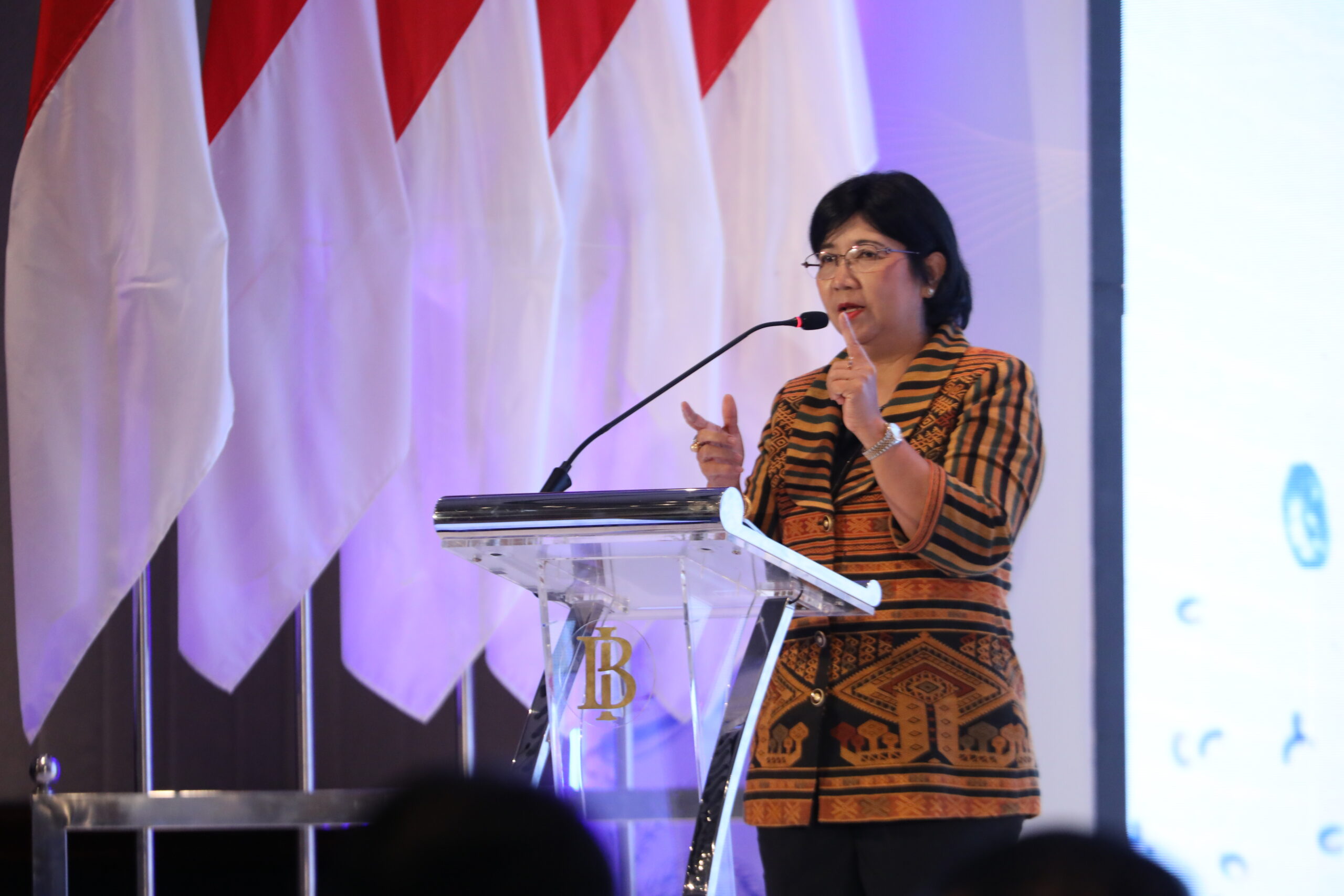
Alongside the BI-Rate, BI kept the Deposit Facility rate at 4.75% and the Lending Facility rate at 6.50%. It was the first board meeting chaired by BI Governor Destry Damayanti.
BI said the decision is consistent with its strategy of stabilizing the rupiah amid external pressures while preserving room for domestic economic growth.

Economists: Right Call, Tactical Pause
BCA chief economist David Sumual said the decision was the right step to maintain rupiah stability without adding pressure on the real sector. In his view, BI can still rely on hedging instruments to keep the rupiah steady.
Keeping the BI-Rate at 5.75% was judged effective in anchoring the rupiah, which held stable around Rp17,500-Rp17,850. A stable rupiah also dampens imported-goods inflation.
Meanwhile, Permata Bank chief economist Josua Pardede called the hold a tactical pause amid global financial market pressure, after the central bank raised rates by a cumulative 100 basis points in May-July 2026.
Stronger Hedging and Macroprudential Policy
On transmission, earlier rate hikes still left room for bank lending growth, which reached 13.36% year-on-year in August 2026.
BI is also strengthening hedging incentives through swap instruments and Domestic Non-Deliverable Forwards (DNDF), and expanding Local Currency Transaction (LCT) deals with partner countries.
The central bank kept macroprudential and payment-system policies accommodative, including preparations for the Macroprudential Inclusive Financing Ratio (RPIM) effective 1 October 2026 and the Indonesia Intermediation Acceleration Program (PINISI) to channel credit to productive sectors.
Josua believes BI should keep the BI-Rate at 5.75% as long as rupiah pressure can be managed through intervention, hedging incentives, and liquidity management. But BI should prepare a rate-hike option if global pressure persists and starts affecting the rupiah and inflation. BI also kept macroprudential policy accommodative to support productive lending growth.