
Recognizing Acid Reflux Symptoms
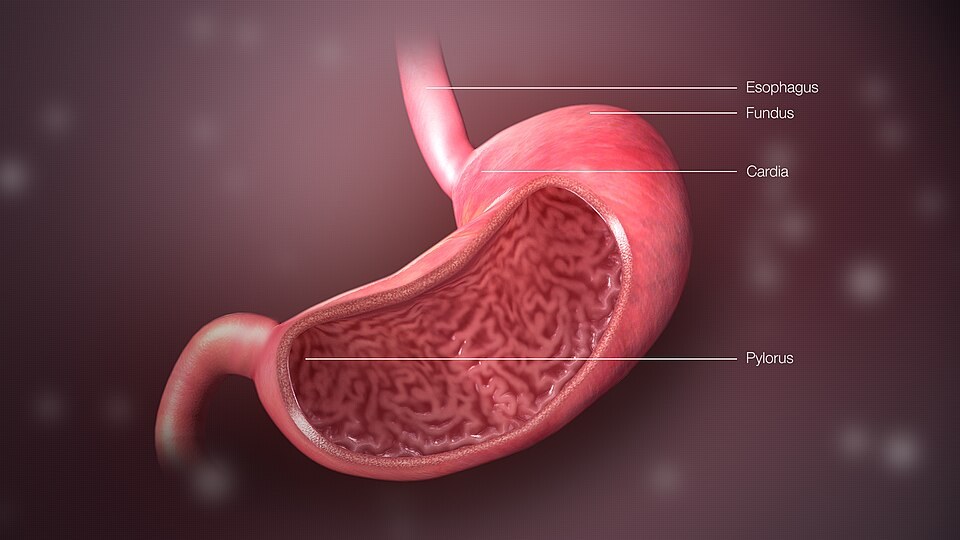
Acid reflux happens when acid from the stomach flows back into the esophagus. It can affect anyone and is usually triggered by poor diet and lifestyle habits.
The most typical symptom is heartburn — a hot or burning sensation in the chest spreading to the throat. Other complaints include a sour or bitter taste in the mouth, nausea, a bloated and full stomach, upper abdominal pain, and frequent burping. In some people, acid reflux also causes shortness of breath and a lump sensation in the throat.
First Aid When Acid Reflux Strikes
When acid reflux strikes, don't panic, as panic can worsen symptoms. Sip warm water slowly — drinking hastily can aggravate complaints. Sit upright or stand; this position helps keep stomach acid in the stomach thanks to gravity.
If you want to lie down, make sure your chest is higher than your stomach by adding pillows. Chewing gum is also believed to help because the saliva produced smooths food movement through the esophagus, relieving heartburn.
Natural remedies like ginger can be tried; research shows ginger can ease various digestive problems including nausea. You can drink boiled ginger water or take ginger capsules. If these steps don't relieve symptoms, take antacid ulcer medicine, which works by neutralizing stomach acid.
How to Prevent Acid Reflux From Returning
To prevent recurrence, change your diet: avoid trigger foods such as spicy, fatty, and acidic foods, and limit coffee, sodas, and alcohol. Eat small portions more often, and chew food well.
Leave at least 2-3 hours after eating before lying down or sleeping, and elevate your head about 15-20 cm while sleeping. Avoid bending over after meals and don't wear overly tight clothing around the stomach.
Maintain an ideal weight, as obesity increases abdominal pressure that pushes stomach acid upward. Manage stress with relaxation techniques like yoga or meditation, get enough sleep, and do light exercise regularly — but avoid heavy workouts right after eating. If symptoms don't improve with lifestyle changes, consult a doctor for proper diagnosis and treatment, such as antacids, proton pump inhibitors (PPIs), or H2 blockers.


