
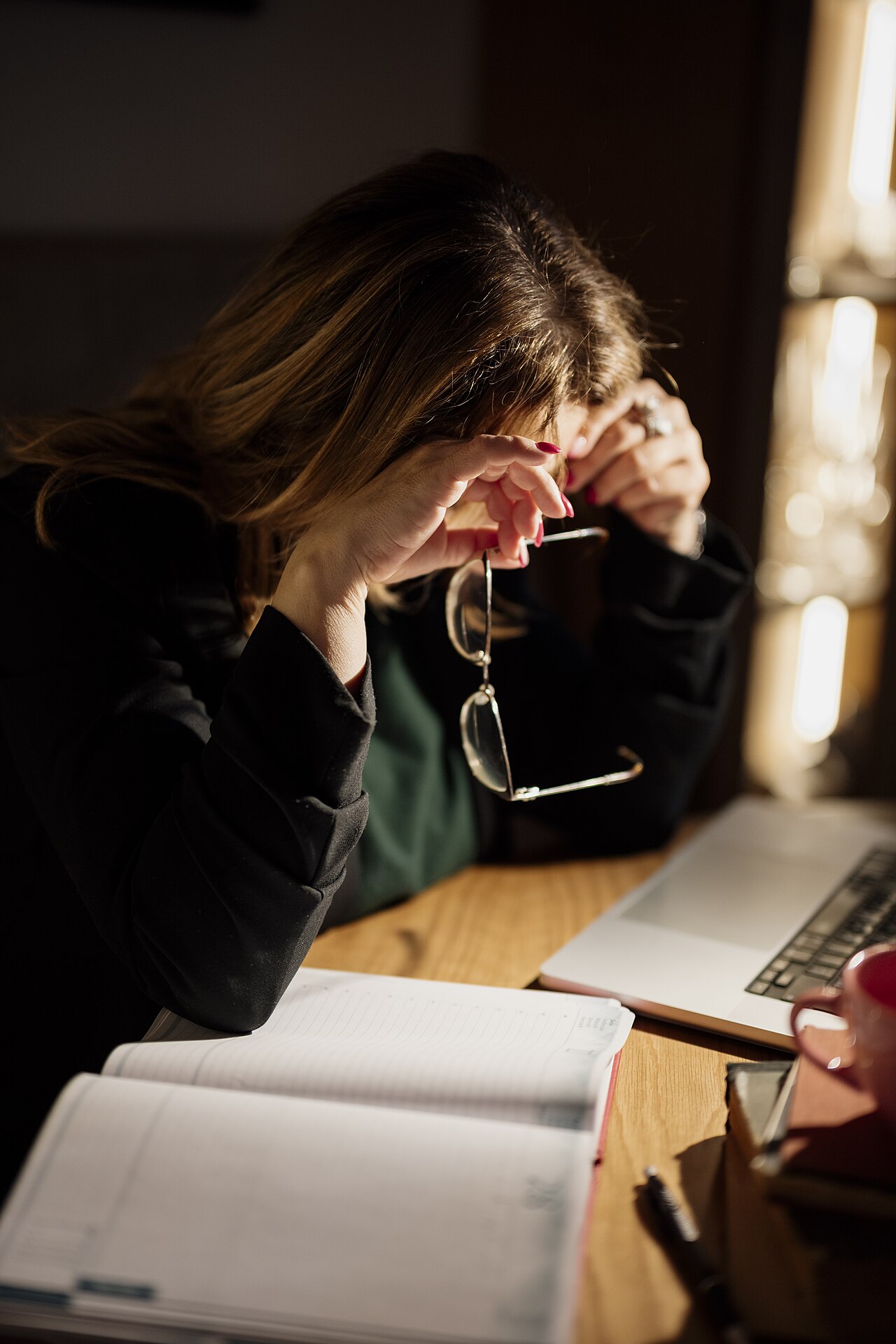
Stress Is Normal, But Don't Let It Pile Up
Stress is how the body responds to pressure or tension — increased responsibilities, financial problems, or health worries, for example. Feeling stressed during life changes is normal. But according to the CDC, when stress is long-term (chronic stress), it can worsen physical and mental health problems.
Know the symptoms: feelings of fear, anger, sadness, worry, or frustration; changes in appetite and energy; trouble concentrating and making decisions; nightmares or sleep problems; and physical reactions such as headaches, body pain, digestive problems, or skin rashes. Stress can also worsen existing chronic illnesses.
Care for Your Mind: Breaks From Negative News
The CDC's first recommendation: take breaks from news and social media. Staying informed is good, but constant exposure to negative news can upset your emotions. Limit news intake — once or twice a day is enough.
Make time to unwind every day: take deep breaths, stretch, or meditate. Journaling helps pour out your thoughts, as does spending time outdoors — whether being active or just relaxing. Practice gratitude daily: recall and write down specific things you're grateful for. These small steps have a big impact when done regularly.
Care for Your Body and Stay Connected
A healthy body withstands stress better. Keep a daily routine that includes enough rest, regular exercise, and healthy eating. Physical activity — even just walking or stretching — helps release tension. Avoid using alcohol, tobacco, or drugs as escapes: their relief is momentary but adds new stress and problems in the long run.
Don't face stress alone. Talk about your worries and feelings with people you trust — family, friends, or community. Connecting with others, including community or social activities, provides real emotional support.
When to Get Professional Help
If stress feels overwhelming and starts affecting your mental and physical health, don't hesitate to seek professional help. Talk to a doctor about how you're feeling or make an appointment with a counselor. That's not weakness — it's the right step for your health.
Managing stress in healthy ways is a trainable skill. Everyone is different — find your stress triggers and combine the techniques that suit you best. Start small today: five minutes of deep breathing, an evening walk without your phone, or simply talking with someone close.


