
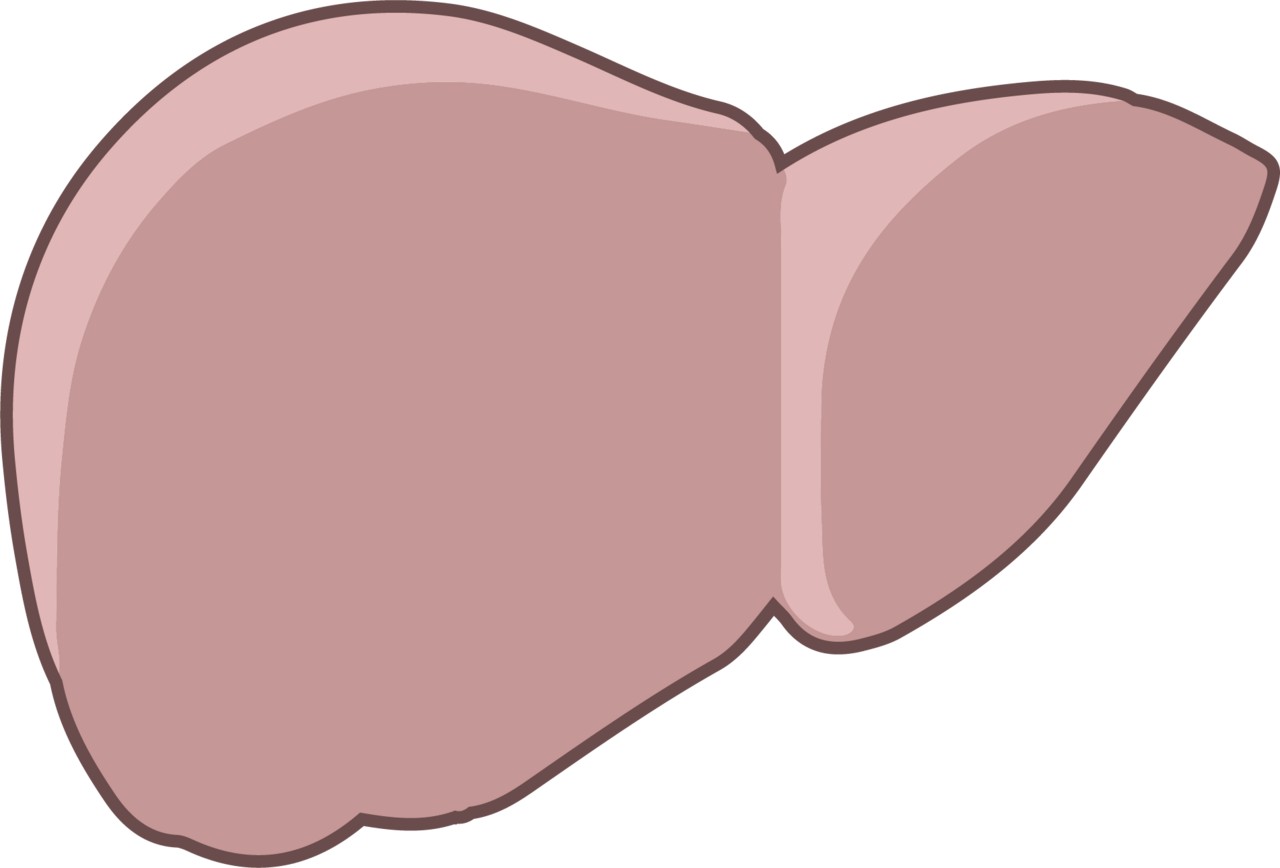
The Liver Can Fail Without Clear Symptoms
The liver is an organ of about 1.5 kg with hundreds of vital functions: filtering toxins, producing bile, storing energy, and aiding blood clotting. The problem is that liver disorders often go undetected because early symptoms are vague.
According to Cleveland Clinic, many patients remain symptom-free until liver damage is significant. Even a resilient liver can keep working while damaged, so routine checkups matter — especially for those with risk factors such as excessive alcohol use, obesity, diabetes, or a history of hepatitis.
The Hallmark Sign: Yellow Skin and Eyes
The most distinctive sign of liver disease is yellowing of the skin and the whites of the eyes (jaundice). According to Alodokter, this happens because of bilirubin buildup in the body when the liver cannot process it properly.
The color change usually starts in the eyes, then spreads to the skin as liver function worsens, often with bothersome itching. If you notice this change, do not dismiss it — it can signal liver damage needing prompt medical care.
Early Symptoms Often Dismissed
Before jaundice appears, the body usually gives easily ignored signals: feeling tired and sluggish despite no heavy activity, reduced appetite, nausea, and pain or fullness in the upper right belly. Persistent fatigue that does not improve with rest can signal a serious liver problem.
Also watch for urine turning dark yellow, orange, or brownish, and stools becoming pale — both linked to rising bilirubin. Itchy skin with no clear cause can also indicate bile salt buildup in the bloodstream.
Signs the Disease Is Advanced and When to See a Doctor
When liver disease reaches an advanced stage, symptoms become clearer: a swollen belly from fluid buildup (ascites), swollen legs and ankles, easy bruising and bleeding because the liver no longer produces clotting factors well, plus weight and muscle loss.
See a doctor or health facility promptly if you experience a combination of these symptoms. Doctors can run liver function blood tests, imaging such as ultrasound or CT scan, and biopsy if needed. Early detection offers a far better chance of successful treatment.


