
What DHF Is
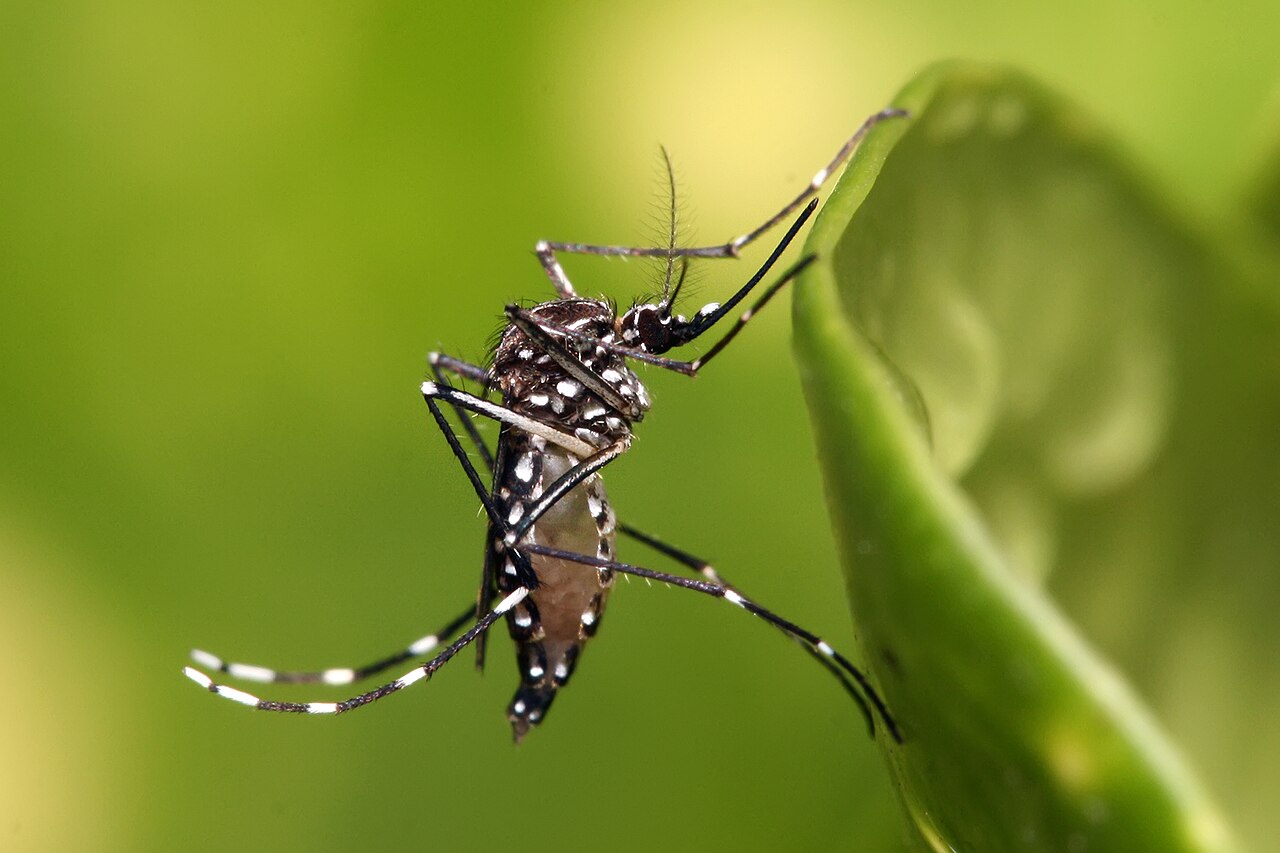
Dengue hemorrhagic fever (DHF) is caused by the dengue virus transmitted through Aedes aegypti mosquito bites. According to the Health Ministry, the disease is closely associated with the rainy season, and its symptoms often resemble the common flu — so many sufferers realize the danger too late.
DHF receives serious government attention because case numbers keep rising and it is frequently declared an extraordinary event (KLB). Patients who receive late treatment can face fatal outcomes, including death from shock caused by rapid fluid loss from blood vessels.
The Three Phases of DHF Symptoms
DHF progresses through three phases. The first is the febrile phase on days 1–3: sudden high fever up to 40°C without cough or cold, severe headache especially around the forehead, pain behind the eyes, muscle, joint, and bone pain, nausea and vomiting, and the emergence of red spots on the skin.
The second is the critical phase on days 4–5, which is often deceptive: fever drops sharply until body temperature returns to normal, making sufferers feel recovered. Yet this is when blood vessels leak and platelets plunge, potentially triggering dengue shock syndrome. The third is the recovery phase on days 6–7, marked by a strengthening pulse, stopped bleeding, and returning appetite.
Danger Signs to Watch For
During the critical phase, watch for these danger signs: falling blood pressure, cold hands and feet, bleeding from the nose or gums, easy bruising without clear cause, severe abdominal pain, repeated vomiting or vomiting blood, black stools signaling internal bleeding, difficulty breathing, and decreased consciousness.
If these signs appear, do not delay: take the patient to a hospital or community health center for emergency medical care immediately. The critical phase lasts only 24 to 48 hours, so speed of treatment is decisive for the patient's survival.
How to Manage DHF
During care, ensure fluid intake of 1.5 to 2 liters per day — water, fruit juice, or ORS solution — to prevent dehydration. Apply warm compresses to the feverish body, take fever reducers such as paracetamol as directed, eat balanced nutritious food, and rest completely while feverish.
Important: avoid aspirin or ibuprofen because they can increase bleeding risk. The Health Ministry stresses that DHF urgently needs direct care from health workers — so by recognizing symptoms early, patients can get checked at the nearest health facility promptly and avoid the disease's worst outcomes.


