
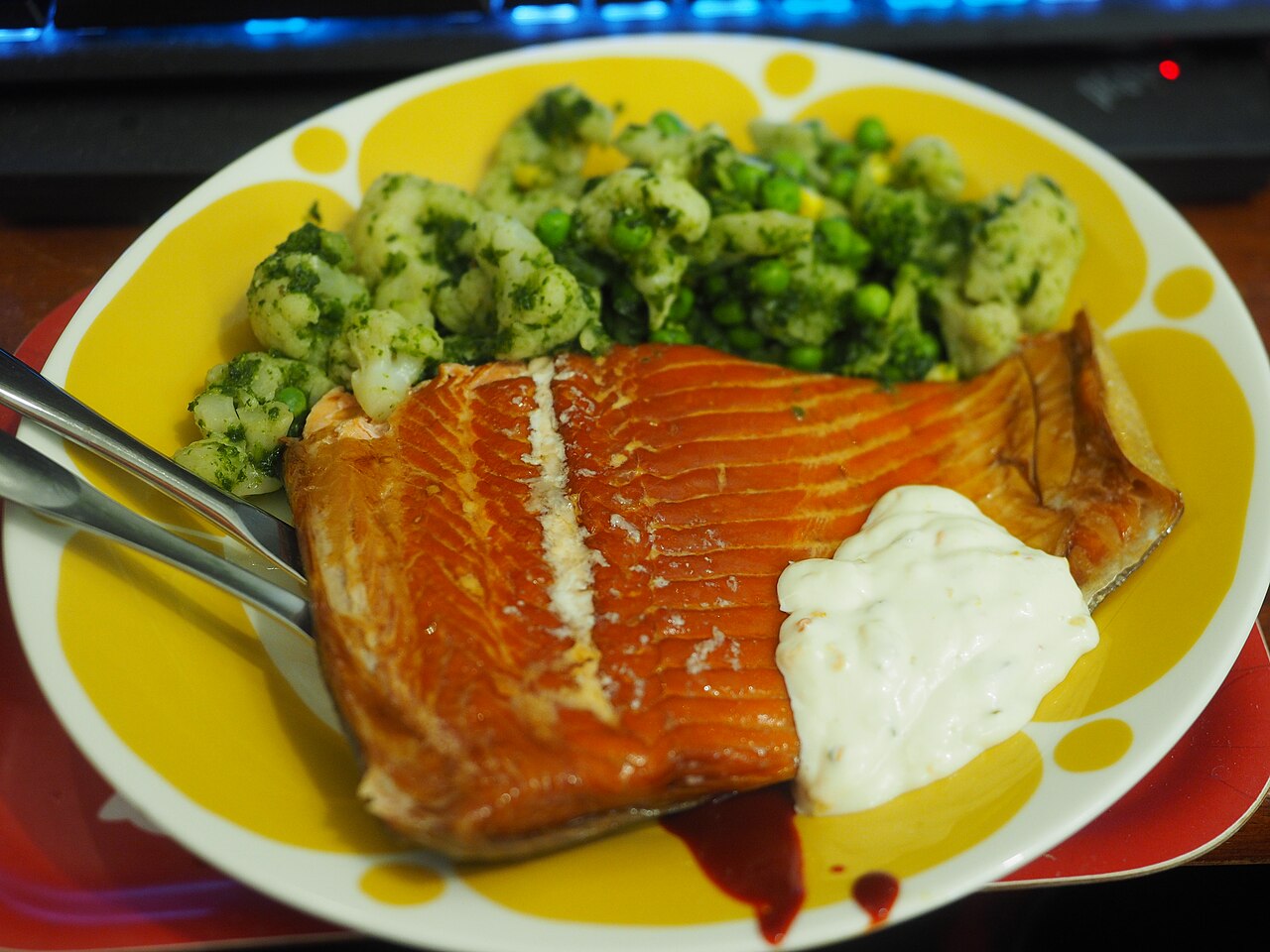
What Is the Keto Diet?
The ketogenic or keto diet is a very-low-carbohydrate, high-fat eating pattern. When carb intake is slashed drastically — generally below 50 grams a day — the body runs out of glucose and switches to burning fat into molecules called ketones for fuel. This state is called ketosis.
Interestingly, this diet is nothing new: keto was developed in the 1920s at the Mayo Clinic as a therapy for children with seizure disorders (epilepsy). Today it is popular as a weight-loss strategy and for extreme endurance sports.
Research-Backed Benefits
Several studies show the keto diet can reduce weight within weeks and improve cardiovascular risk factors in the short term. Its high fat and protein content also helps control hunger — the biggest challenge of typical low-calorie diets.
However, the Mayo Clinic notes that the long-term weight-loss benefits of a low-carb diet do not appear superior to those of low-fat diets.
Risks and Side Effects
When starting keto, many people experience the keto flu: headaches, fatigue, nausea, constipation, and bad breath. This highly restrictive diet is also hard to sustain long term and risks vitamin, mineral, and fiber deficiencies.
Because it is high in saturated fat and low in fruit, vegetables, and whole grains, keto is not considered optimal for long-term health — its long-term health risks are not even known yet. People with kidney disease must be extra cautious because ketosis can worsen kidney conditions.
Before You Start
If you are interested in trying it, ease in gradually, drink plenty of fluids, and choose healthier fat sources such as fish, avocados, nuts, and olive oil over excess saturated fat.
Most importantly, consult a doctor or dietitian first — especially if you have diabetes, heart disease, kidney disease, or take regular medication.
If you decide to stop keto, do it gradually by adding complex carbohydrates little by little so that weight does not rebound sharply.


