
What Is a Hernia?
A hernia occurs when an internal organ, such as the intestine, pushes and protrudes through weak muscle or connective tissue. Connective tissue should be strong enough to hold organs in place, but various factors can weaken it.
The most common type is inguinal hernia in the groin. Hernias can also occur in the abdominal wall (ventral hernia), the navel (umbilical hernia), or the upper stomach protruding into the chest cavity (hiatal hernia).
Symptoms to Watch For
The hallmark symptom of a hernia is a lump in the groin or abdominal wall that comes and goes: disappearing when lying down and appearing when standing, coughing, or straining. The lump is usually accompanied by pain, burning, or discomfort around it, especially when bending or lifting.
Watch for danger signs: a lump that cannot be pushed back in, sudden severe pain, accompanied by nausea and vomiting. This may indicate a strangulated hernia blocking blood flow to the intestine — an emergency requiring immediate surgery. Go to the emergency department at once if this happens.
Causes and Risk Factors
Hernias result from a combination of a weak spot in the abdominal wall and increased pressure inside the abdomen. In adults, triggers include lifting heavy weights, frequent straining during bowel movements, chronic cough or hard sneezing, obesity, pregnancy, and abdominal wall weakening from aging.
In babies, hernias are generally caused by congenital factors, such as the groin canal not closing fully after the testes descend. Smoking is also said to trigger hernias through the chronic cough it causes.
Treatment: Why Surgery Is Necessary
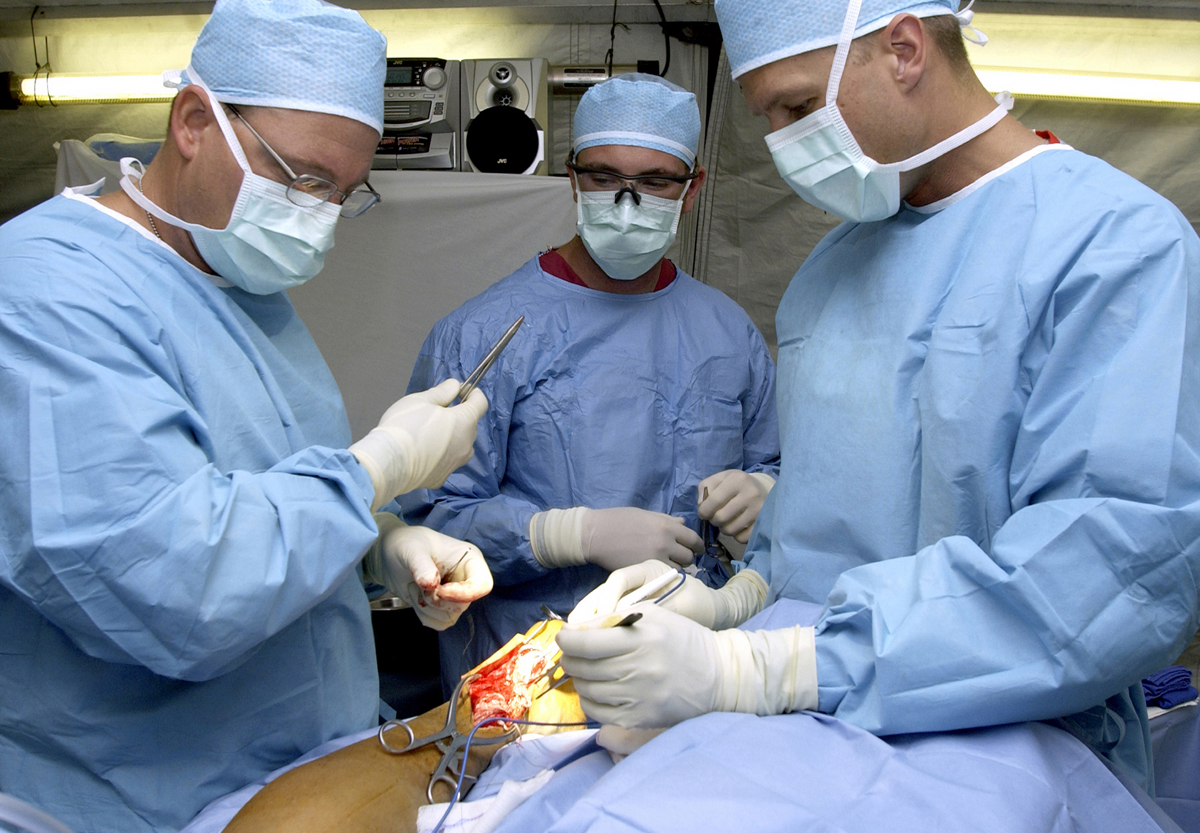
Hernias cannot be cured with oral or topical medication, because the problem is a physical gap in the abdominal wall. The only definitive treatment is surgery: the doctor returns the protruding organ to its original position, then reinforces the abdominal wall — usually by placing a special mesh so it does not recur.
Hernia surgery can now be performed with a small-incision (laparoscopic) technique and generally takes 30 minutes to 2 hours. After surgery, patients are advised to keep the wound clean, avoid lifting heavy weights temporarily, eat fiber-rich foods and drink enough water to prevent constipation, and lose weight if overweight. Consult a surgeon to determine the right treatment for your condition.


