Indonesia Ends CBU Electric-Car Import Incentives
The Indonesian government will not extend import incentives for battery electric vehicles (BEVs) shipped as completely built-up (CBU) units starting January 1, 2026. Industry Minister Agus Gumiwang Kartasasmita said the move is meant to accelerate EV investment and domestic production.
Previously, importers received import-duty relief plus PPnBM and VAT discounts through the end of December 2025, on condition they build local production capacity at a 1:1 ratio to imported units.
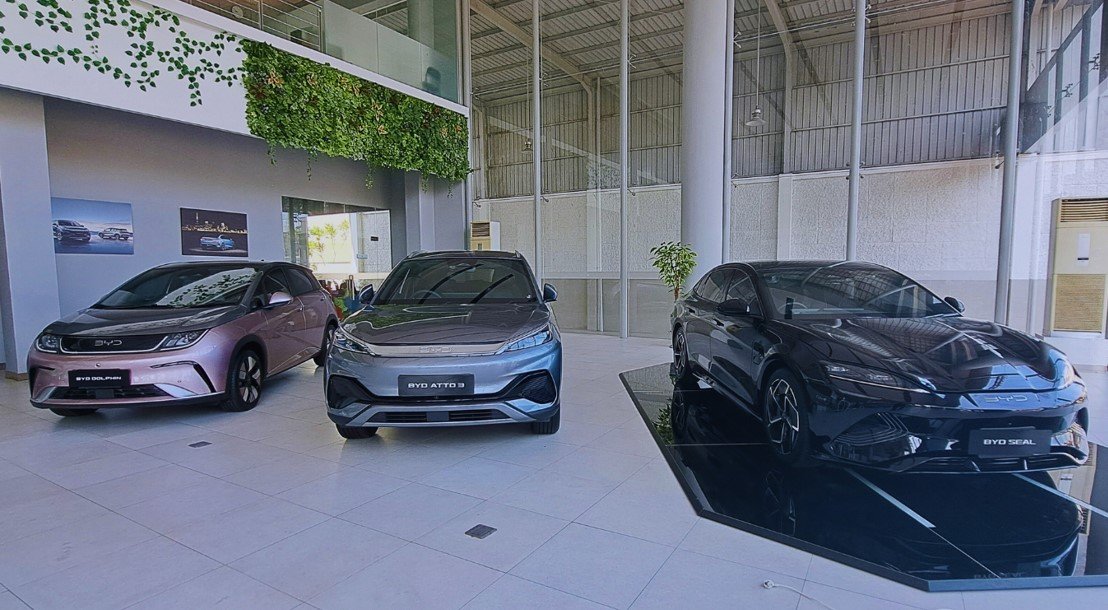
Six companies joined the scheme: PT National Assemblers (Citroën, AION, Maxus), PT BYD Auto Indonesia, PT Geely Motor Indonesia, PT VinFast Automobile Indonesia, PT Era Industri Otomotif (XPeng), and PT Inchcape Indomobil Energi Baru (GWM Ora), with total investment commitments of Rp15.52 trillion and capacity of up to 305,000 units per year.
New Incentives to Favor Nickel-Battery EVs
Energy Minister Bahlil Lahadalia signaled the new direction: fiscal support will favor electric cars using nickel-manganese-cobalt (NMC) batteries, leveraging Indonesia's nickel wealth.
Bahlil said lithium iron phosphate (LFP) batteries are not the priority because Indonesia lacks their key raw materials, limiting domestic value-added. He also argued nickel batteries perform better over long distances. The government plans to differentiate incentive levels by battery type — nickel-based versus non-nickel.
In May 2026, Finance Minister Purbaya Yudhi Sadewa said the EV package targets 100,000 electric cars and 100,000 electric motorcycles: Rp5 million per motorcycle, and 40-100 percent government-borne VAT for pure EVs — hybrids are excluded.
40% Local Content and Surging EV Sales
The Industry Ministry requires minimum domestic content (TKDN) of 40 percent in 2026-2027, rising gradually to 60 percent, in line with building a national EV ecosystem.
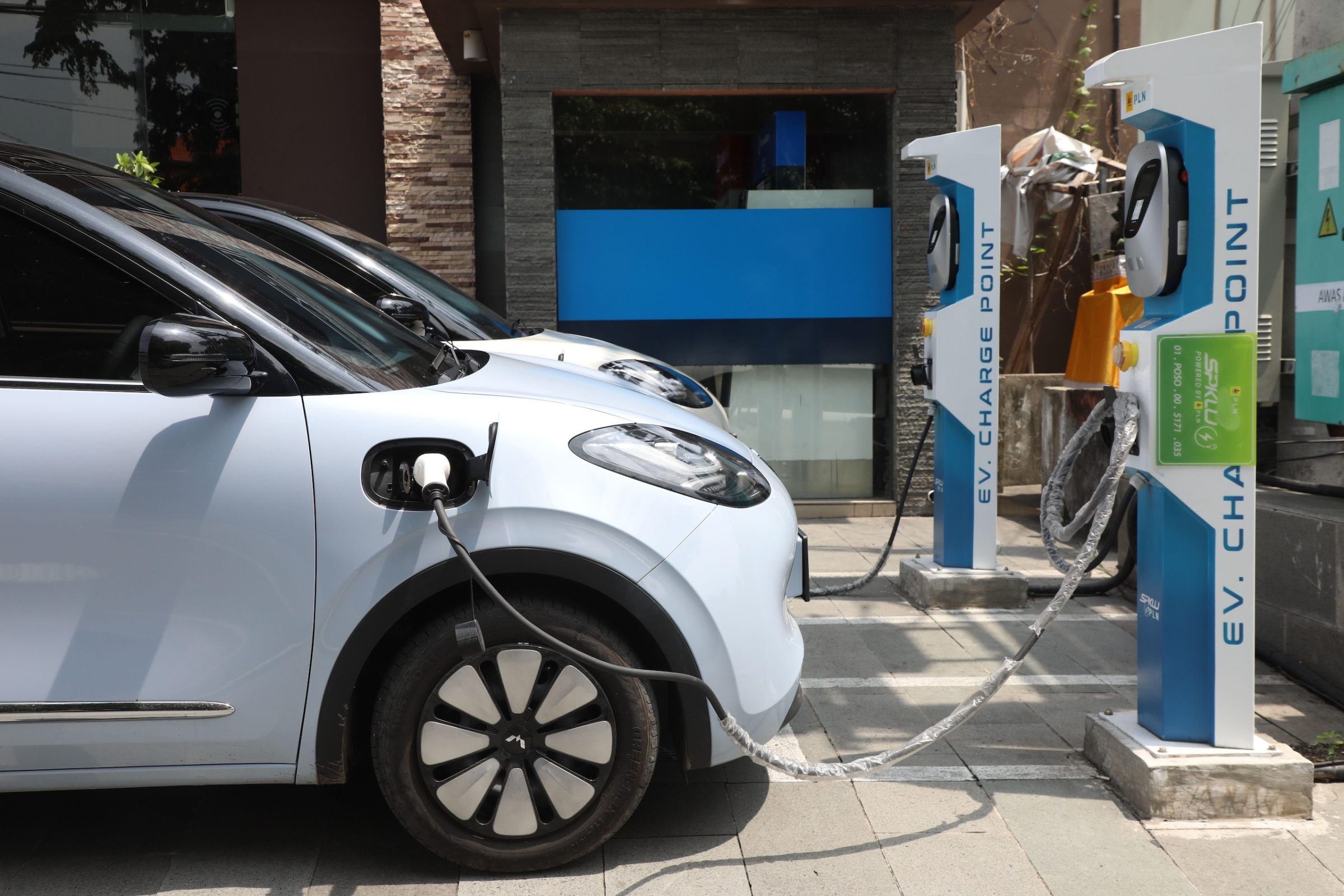
The four-wheel EV population reached 68,695 units in August 2024, while pure BEV sales in the first half of 2025 topped 35,846 units — significant growth from the early adoption years. With CBU import incentives ending, the focus shifts to domestic industry readiness, from the battery supply chain to charging infrastructure.