
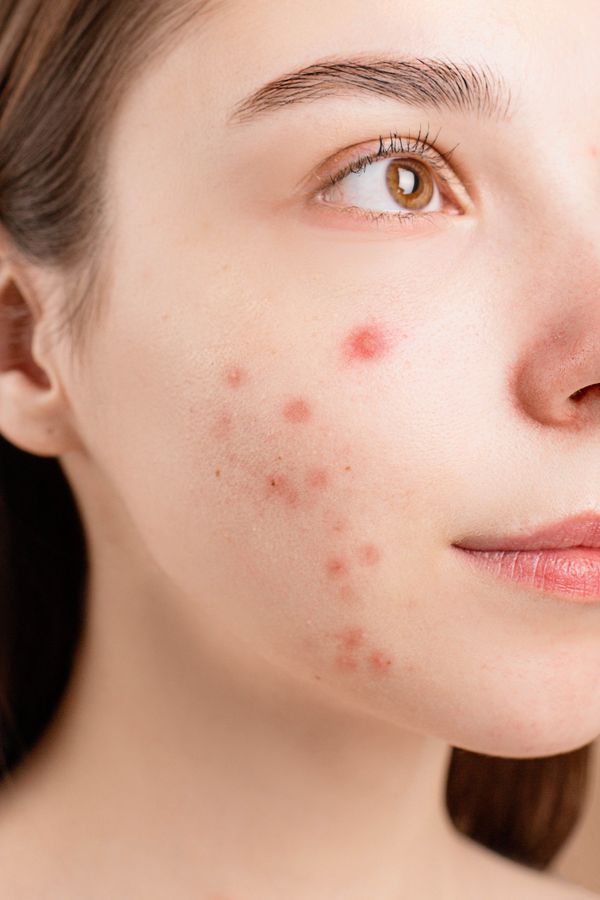
Four Main Causes of Acne
Acne is a chronic inflammatory disease of the oil glands whose course can be long and prone to relapse. According to dermatologist dr. Risty Hafinah, SpDV, acne is caused by four main factors: excess oil production, clogged pores from oil and dead skin cells, inflammation, and Cutibacterium acnes bacteria (formerly called P. acnes) becoming active.
These four factors are triggered by many multifactorial causes, from hormonal changes and genetics, stress, late nights or staying up late, dust and polluted air, unsuitable cosmetics or skincare, to diet. Sugary foods and drinks, refined flour products like bread and noodles, fried foods, milk and cheese, and junk food are among the triggers frequently reported to worsen acne.
How to Treat Mild Acne
If acne is still mild, proper self-care with the right skincare can help. Choose products containing retinol, niacinamide, salicylic acid or AHA BHA, and sulfur, which work to reduce oil, unclog pores, and suppress inflammation.
Also improve your lifestyle: limit acne-triggering foods, sleep by 11 PM at the latest, manage stress, and avoid heavy makeup for now. Do not squeeze or scratch pimples, as this worsens inflammation and risks leaving dark marks or pitted scars.
When Prescription Medication Is Needed
If acne is moderate to severe, or mild acne that does not improve despite skincare, self-care alone is not enough. Prescription-category topical medications are needed under a doctor's supervision, such as retinoids (adapalene, tretinoin), topical antibiotics, benzoyl peroxide, or azelaic acid.
In some cases, doctors may also prescribe oral medication, such as antibiotics. Because acne easily relapses while its triggers remain, treatment takes time and consistency. Do not buy prescription-strength drugs without a prescription, as the wrong dosage risks irritating the skin.
Consult a Dermatologist
See a dermatologist (SpKK/SpDV) promptly if acne remains uncontrolled, feels painful, leaves bothersome scars, or affects your confidence. The doctor will assess the severity of the acne and arrange the right treatment plan, including medical procedures such as chemical peels or laser therapy for certain cases.
Remember, acne treated early and correctly has a better chance of healing. Avoid switching products constantly without an evaluation period, and always prioritize medical advice over unproven skincare trends.


