
Cervical Cancer, a Serious Threat to Indonesian Women
Cervical cancer remains one of the deadliest diseases for women in Indonesia. According to the Ministry of Health, this cancer of the cervix ranks second among the most common cancers, with more than 36,000 new cases every year.
What is alarming is that around 70 percent of cases are only detected once they have reached an advanced stage. Yet cervical cancer is highly preventable and curable when found early.
Recognize Cervical Cancer Symptoms Early
In its early stages, cervical cancer often shows no clear symptoms. This is why many patients only realize it once the disease has progressed far. Symptoms that commonly appear at later stages include abnormal vaginal bleeding, such as bleeding outside menstrual periods, after sexual intercourse, or after menopause.
Other warning signs include unusual foul-smelling vaginal discharge mixed with blood, pelvic or lower abdominal pain, and pain during intercourse. Some patients also experience excessive fatigue and problems with urination or bowel movements.
Nearly all cervical cancer cases are caused by human papillomavirus (HPV) infection, especially types 16 and 18. The virus spreads through sexual contact, and most women are exposed at least once in their lifetime. Other risk factors include smoking, a weakened immune system, and long-term birth control pill use.
HPV Vaccine, the Most Effective Shield
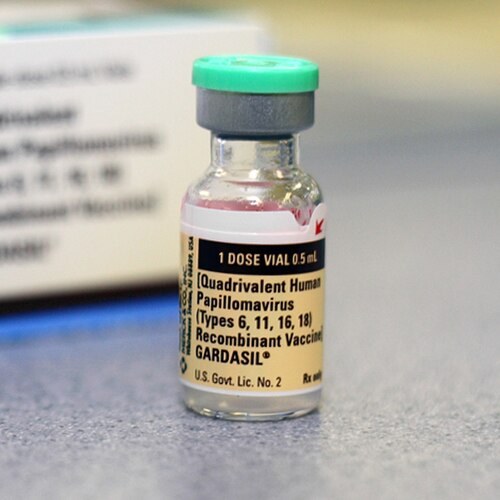
The HPV vaccine is the most effective way to prevent cervical cancer. It works by stimulating the immune system to produce antibodies that fight HPV before it can infect cells and trigger cancerous changes.
HPV vaccination is recommended from age 9, ideally at ages 11-12, before a person becomes sexually active. It can also be given to adults who were never vaccinated. Research shows the HPV vaccine can prevent up to 90 percent of cervical cancer cases.
It is important to understand that the HPV vaccine does not cause infertility, despite rumors claiming otherwise. Instead, it protects women from one of their deadliest threats. Consult a doctor or health facility about the right HPV vaccination schedule.
Early Detection Is Just as Important
Besides vaccination, early detection through routine screening is the second key to cervical cancer prevention. Common methods include Pap smears and VIA (visual inspection with acetic acid) tests, as well as HPV testing. Screening allows precancerous lesions to be found and treated before they develop into invasive cancer.
The earlier cervical cancer is found, the greater the chance of recovery. Treatment may involve surgery, chemotherapy, or radiation, depending on the stage. Do not delay getting examined if you notice suspicious symptoms, and consult a doctor for the right course of action.


