
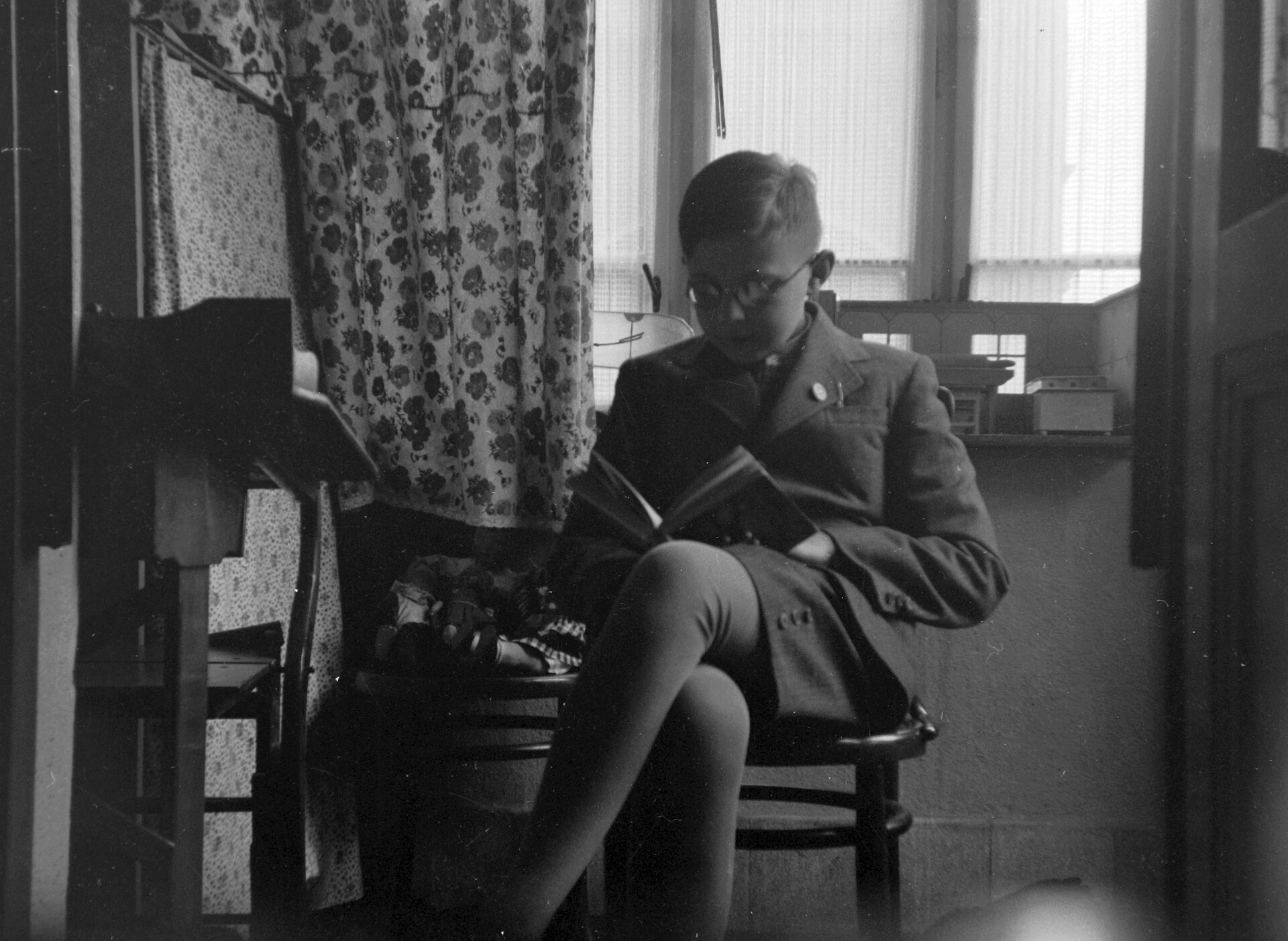
What Myopia Is
Myopia, or nearsightedness, is a refractive error in which light entering the eye focuses in front of the retina instead of directly on it. As a result, distant objects appear blurry while near objects stay clear. In children, myopia typically develops during school years and can keep increasing into the teens.
Besides heredity, modern lifestyles accelerate myopia: reading at close range, staring at gadget or computer screens for hours without breaks, and too little natural sunlight. Prolonged near focus forces the ciliary muscles to work hard, triggering abnormal eyeball-growth signals.
Limit Screen Time and Apply 20-20-20
The most important intervention is limiting screen time. Experts advise keeping children's screen time to no more than two hours a day, with regular breaks — the greatest risk comes from intense, continuous staring without pauses.
Apply the 20-20-20 rule: every 20 minutes of screen time, shift your gaze for 20 seconds to an object about 20 feet (6 meters) away. This simple habit relaxes strained eye muscles. Remind children to blink regularly and keep gadgets away before bedtime.
The Power of Playing Outdoors
The best way to rest eyes from near objects is to let them look far away — which happens naturally when children play outside. Research shows children who regularly play outdoors have a lower risk of myopia.
Natural sunlight stimulates dopamine release in the retina, which acts as a shield against eyeball elongation — the root cause of myopia. Aim for 1–2 hours outdoors daily; playing in a park or yard is enough. Use hats and sunscreen for skin protection.
Mind Distance, Light, and Regular Checkups
Keep reading distance at 30–40 cm and TV viewing distance at 2–3 meters depending on screen size. Make sure rooms are well lit, set screen brightness to eye comfort, and avoid using gadgets while lying down or on the stomach. An upright sitting posture helps maintain optimal viewing distance.
Have children's eyes checked twice a year, especially with a family history of myopia, so eye development stays monitored. If a child is diagnosed with myopia, wear correctly prescribed glasses — uncorrected myopia risks progressing faster. Consult an eye doctor if your child's vision starts interfering with daily activities.


