
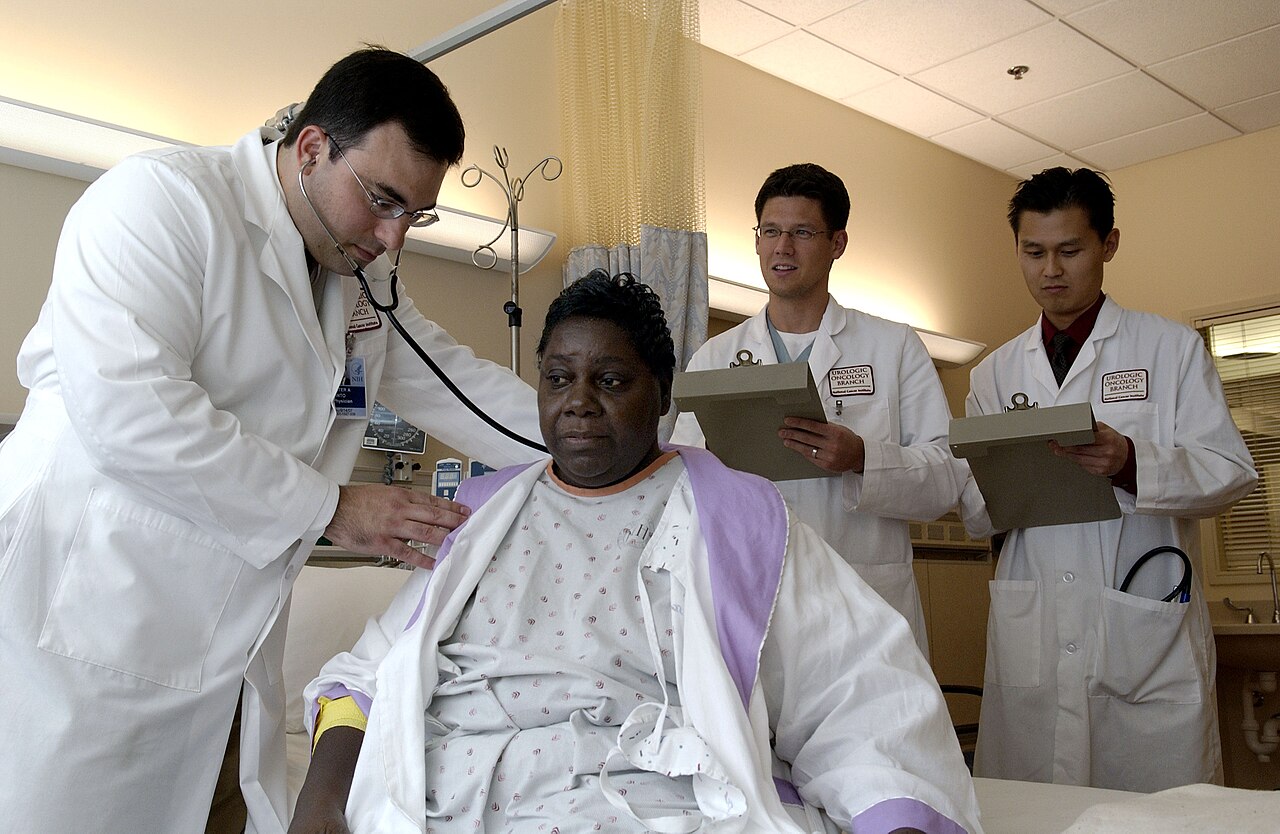
Why Are Medical Check-Ups Important?
A medical check-up is a comprehensive series of health examinations to assess the body’s overall condition. Its purpose is not only to examine you when you are sick, but to detect diseases early — before symptoms appear — so they can be treated before progressing.
Many serious diseases such as hypertension, diabetes, and early-stage cancer show no symptoms in their early phases. With regular examinations, the chances of recovery and treatment success become far greater.
Check-Up Schedule by Age
At the productive ages of 19-39, men are advised to have a check-up every five years, and women every three to five years. At ages 40-64, the schedule is similar with added screenings such as clinical breast exams, Pap smears, annual mammograms for ages 50-75, and colorectal cancer screening.
For seniors 65 and older, examinations are advised every one to two years, including a review of medications taken as well as annual influenza and pneumococcal vaccination. For children, examinations begin in the first week after birth, then at 2, 4, 5, 9, 12, and 18 months; after age 2, once every two years is enough if there are no specific medical conditions.
What Is Usually Examined?
A check-up package generally includes vital sign measurements such as blood pressure, height and weight, blood tests (cholesterol, blood sugar), and urine tests to detect kidney, liver, or diabetes problems early.
Additional examinations are tailored to age, sex, and risk factors — for example Pap smears for women, heart checks (ECG), and chest X-rays. General preparation is fasting for at least 8 hours before blood sampling, though plain water is allowed.
When Should You Check More Often?
People with certain risk factors need more frequent examinations: a family history of heart disease, diabetes, or cancer; smoking habits; obesity; and those on long-term medication.
If you experience persistent complaints such as prolonged fatigue, unexplained weight loss, or pain that will not go away, do not wait for the routine schedule — consult a doctor or health facility promptly.


