Ombudsman Announces Fuel Scarcity Investigation
JAKARTA — Fuel scarcity spreading across several regions has drawn serious attention from Indonesia's Ombudsman (Ombudsman RI). The public service watchdog announced it will launch an Own-Initiative Investigation (IAPS) to uncover the root causes of the fuel shortages reported in 11 provinces.
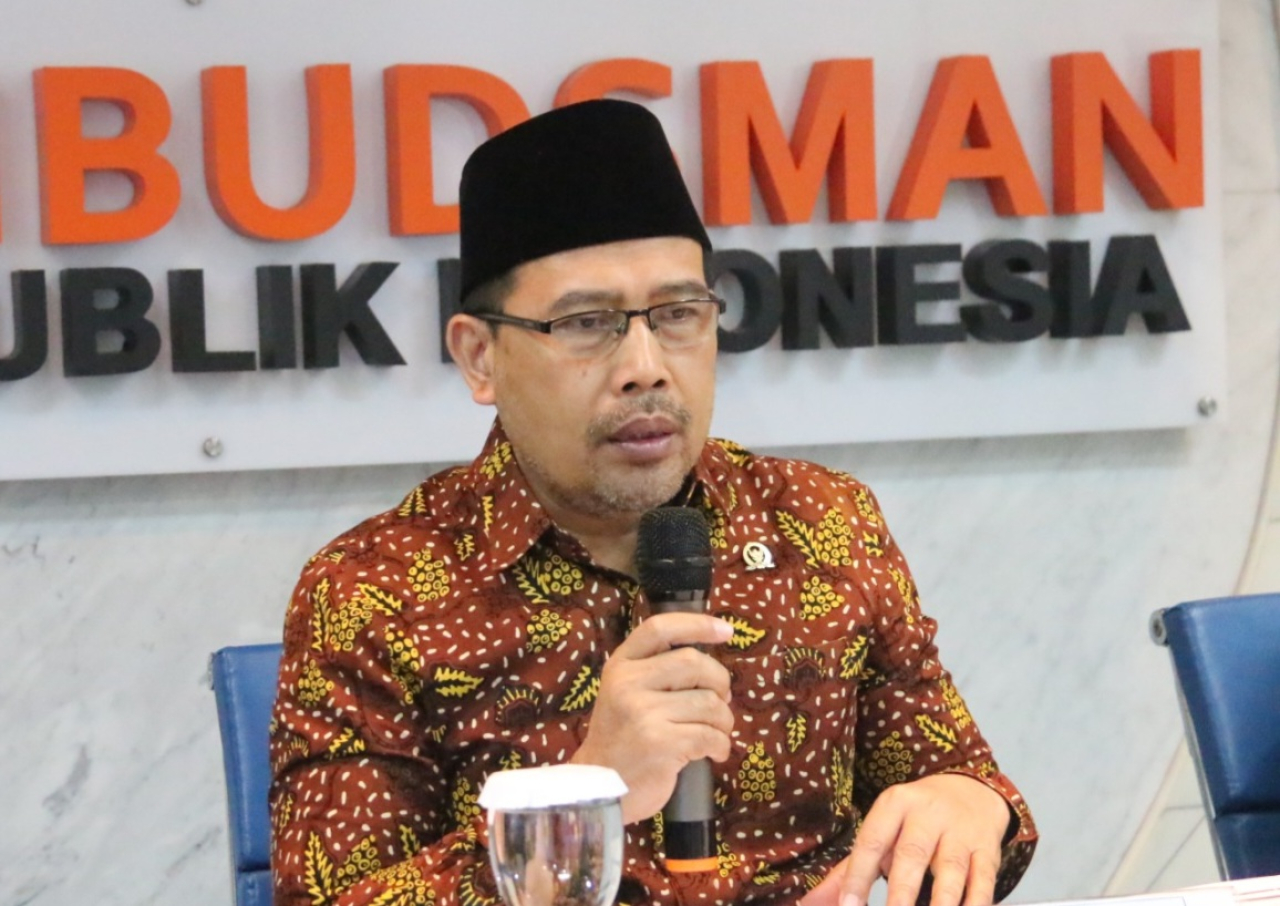
The announcement was made by Ombudsman member Abdul Ghoffar at a press conference at the Ombudsman office in Jakarta on Wednesday (14/10/2026). The Ombudsman has also deployed a Rapid Response Team (RCO) to Bali and is monitoring field conditions through its 34 representative offices across the regions.
"We Will Go to the Field"
"The Ombudsman will go to the field to conduct an investigation to see whether something has broken down between central policy and real conditions on the ground," said Abdul Ghoffar.
25 Fuel Scarcity Reports from 11 Provinces
Based on monitoring data as of October 13, 2026, the Ombudsman had received 25 reports of fuel scarcity. Eleven provinces were explicitly named: Bali, West Papua, Banten, West Kalimantan, West Sumatra, North Sumatra, West Sulawesi, North Sulawesi, Southeast Sulawesi, Aceh, and West Java.
Field conditions are concerning. In Aceh and Bali, vehicle queues reportedly exceeded 1 kilometer with waiting times of more than 3 hours. In several other provinces, queues ranged from 300 to 700 meters with 2–3 hour waits. In Bali, queues reportedly stretched for more than 24 hours. Shortages of diesel (Solar) and subsidized gasoline (Pertalite) were also reported in a number of areas.
Early Indications: Logistics to Suspected Diversion
The Ombudsman found several early indications of the causes. First, logistics and distribution constraints, such as delayed deliveries and unloading processes. In Bali, a delayed vessel at the Manggis fuel terminal was cited as a trigger, while in West Sulawesi there were delayed shipments from the Parepare depot in South Sulawesi.
The second indication is a mismatch between actual demand, quotas, and fuel supply. Third, alleged misuse of subsidized fuel, including diversion practices, modified vehicle tanks, and a shift of non-subsidized consumers to subsidized diesel found in South Sumatra. Fourth, limited gas station service capacity, from operating hours to the number of pumps.
"Regarding whether there has been a quota cut, based on initial information obtained by the Ombudsman, the national quota is actually still secure until December," Ghoffar said.
Ombudsman Calls for Quota Review, Results Due December 2026
The Ombudsman asked the Energy and Mineral Resources Ministry (ESDM) and the Downstream Oil and Gas Regulatory Agency (BPH Migas) to review regional fuel demand and quota data. Pertamina and Pertamina Patra Niaga were also asked to be transparent about supply schedules, stock recovery, operating hours, and gas station capacity. Law enforcement was urged to follow up on alleged subsidy misuse professionally and transparently.
According to Ghoffar, long fuel queues lead to lost productive time, disrupted economic activity, and traffic safety risks. The heaviest burden is felt by public transport drivers, small businesses, farmers, fishermen, and communities in outlying areas. The official investigation results are promised to be disclosed transparently to the public around December 2026.