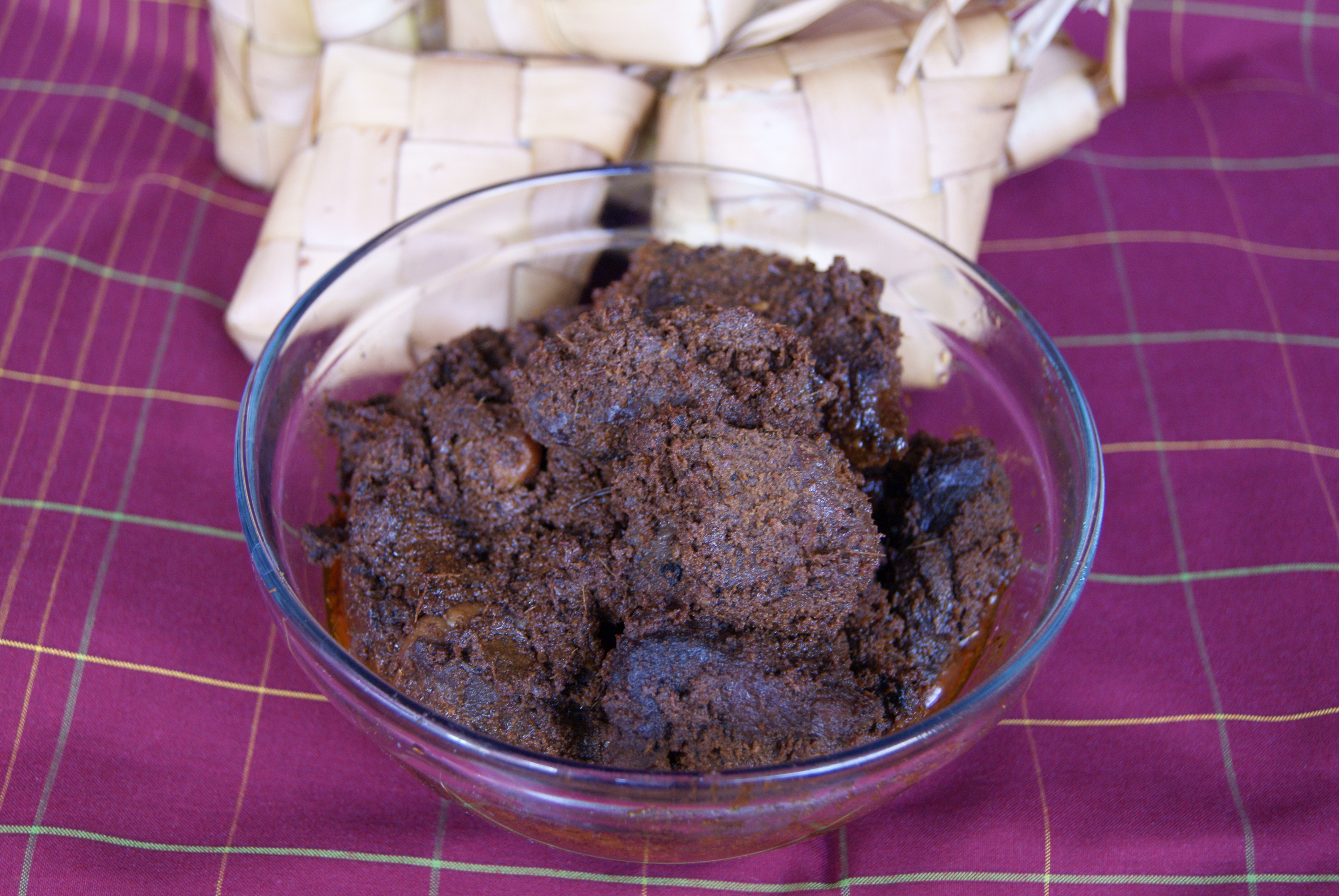
Rendang, the World-Famous Minangkabau Icon
Rendang is a Minangkabau dish from West Sumatra, slow-cooked in coconut milk and spices until dry and oily. Its rich flavor once earned it a spot among the world's most delicious foods in a CNN poll, beating many international dishes.
Making rendang at home is not difficult — it just takes patience. The keys are choosing the right cut, getting the coconut milk ratio right, and cooking low and slow so the spices absorb fully into the meat.
Beef Rendang Ingredients
Prepare 1 kg beef (shank or tenderloin), cut into large cubes against the grain. You will also need 2 liters of coconut milk from 2 grated coconuts, 4 bay leaves, 2 turmeric leaves, 3 bruised lemongrass stalks, 5 cm bruised galangal, plus salt, palm sugar, and stock powder to taste.
For the ground spice paste: 125 g shallots, 10 garlic cloves, 125 g curly red chilies, 1 thumb of ginger, 1.5 tbsp coriander, and 1 tsp pepper. Add whole spices such as star anise, cardamom, cinnamon, and cloves for deeper aroma.
Steps to Tender Rendang
Blend the spice paste and saute in a little oil until fragrant and cooked. Add the beef pieces, stir until they change color, then add the bay leaves, turmeric leaves, lemongrass, galangal, and whole spices. Stir so the spices coat all the meat.
Pour in the coconut milk gradually, stirring gently so it does not split. Season with salt, palm sugar, and stock powder. Simmer over low heat, stirring occasionally. To save gas and tenderize the meat, use the 30-minutes-on, 30-minutes-off technique until it becomes kalio. Keep cooking and stirring until the liquid reduces, the oil separates, and the meat turns dark brown. Adjust seasoning before serving.
Tips for Tender Meat and Deep Flavor
Slice the beef against the grain and avoid cutting it too small, as it shrinks during long cooking. Early on, do not stir too often or the coconut milk may split; but once the liquid reduces, keep stirring so the spices do not settle and burn.
Rendang cooked until fully dry and oily keeps 3-4 days at room temperature and longer in the fridge. Serve with warm white rice — it tastes even better the next day once the spices have soaked in further.