What Is an Emergency Go-Bag?
Disasters strike without warning — an earthquake, flood, or fire can force you from home in minutes. An emergency go-bag holds the basic supplies prepared before disaster, designed to help you survive at least 72 hours (the first 3 days) while aid is still on its way.
BNPB advises every family member to have their own go-bag. With it ready, you can evacuate immediately without scrambling for essentials in a panic. For Indonesia, prone to earthquakes, floods, and volcanic eruptions, this kind of readiness is a necessity, not an option.
Must-Pack Items per BNPB
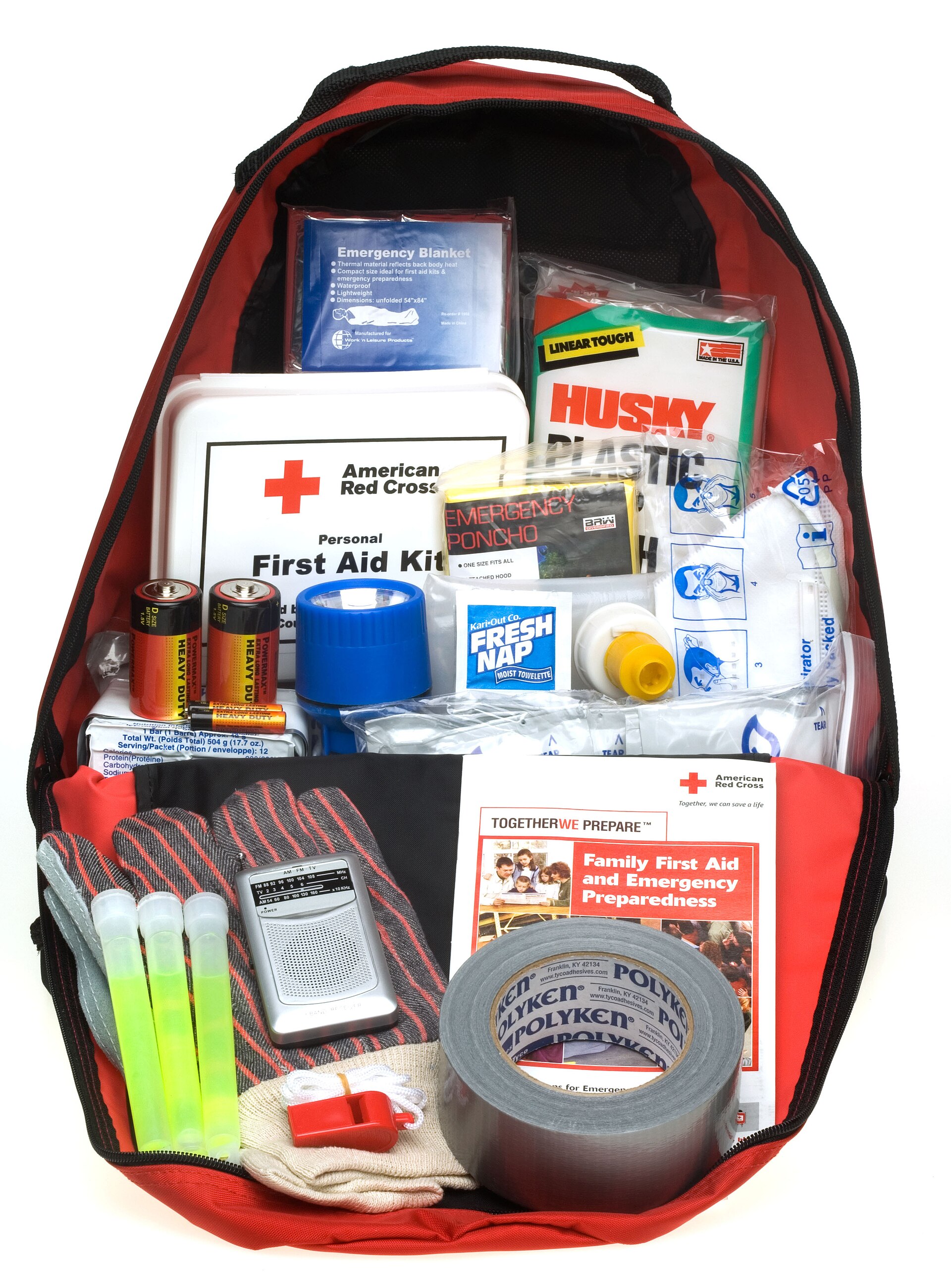
BNPB's recommended minimum basics include: important documents (photocopies of ID, family card, diplomas, certificates, insurance policies in waterproof plastic); provisions (bottled drinking water, long-lasting ready-to-eat food like biscuits and instant noodles); a change of clothes; and a first-aid kit with personal medication.
Add supporting gear: a flashlight and spare batteries, a whistle to signal for help, masks, a plastic raincoat, a multipurpose folding knife, nylon rope, enough cash, and a phone with charger and power bank.
How to Pack and Store It
Choose a sturdy, water-resistant backpack that's comfortable to carry — ideally one bag per person. Place items in waterproof plastic bags before putting them in the backpack for protection.
Store the bag somewhere easy to reach, such as near an exit — not on the top shelf of a closet. Check contents every few months: replace food and medicine nearing expiry, and adjust clothing to the season. Note the inspection schedule in your phone calendar so you don't miss it.
Tailor It to Your Family
No go-bag fits everyone. Add formula and diapers for babies, routine medication for the elderly, assistive devices for people with disabilities, and food for pets.
Involve the whole family in packing — including children. Make sure everyone knows where the bag is kept and understands the family evacuation plan.
Practice Regularly with Your Family
A go-bag alone isn't enough without practice. Run family evacuation drills every few months: who carries the bag, who picks up the kids, who helps the elderly, and where the meeting point is.
For quakes that can strike at night, also keep a simple bed-kit near your bed: sturdy shoes, a flashlight, a dust mask, and a whistle. Regular drills turn panic into automatic response when disaster truly strikes.