Rak'ah Counts of the Five Daily Prayers
Prayer (salat) is one of the five pillars of Islam, obligatory for every Muslim who has reached puberty and is of sound mind. The obligatory rak'ah counts differ by prayer time: Fajr 2 rak'ahs, Dhuhr 4 rak'ahs, Asr 4 rak'ahs, Maghrib 3 rak'ahs, and Isha 4 rak'ahs.
Prayer is a direct line of communication between humans and Allah SWT. Historically, it was made obligatory when Prophet Muhammad SAW received revelation on the night of Isra Mi'raj, giving it an exalted status.
The 13 Pillars of Prayer
For a prayer to be valid, its pillars must be performed in order. Here are the 13 pillars of prayer according to the Prophet's SAW teachings: (1) standing for those who are able, (2) intention in the heart together with the opening takbir, (3) the opening takbir (Allahu Akbar), (4) reciting Al-Fatihah in every rak'ah, (5) bowing (ruku) with calmness, (6) standing upright (i'tidal) with calmness, (7) prostrating twice with calmness, (8) sitting between the two prostrations with calmness, (9) sitting for the final tashahhud, (10) reciting the final tashahhud, (11) reciting the salawat upon the Prophet, (12) the salam, and (13) performing them in sequence.
Step-by-Step Prayer Procedure
Prayer begins with the intention in the heart while uttering the opening takbir and raising both hands to ear or shoulder level. After folding the arms, it is recommended to recite the iftitah supplication, then one must recite Al-Fatihah followed by a short Quranic surah in each rak'ah.
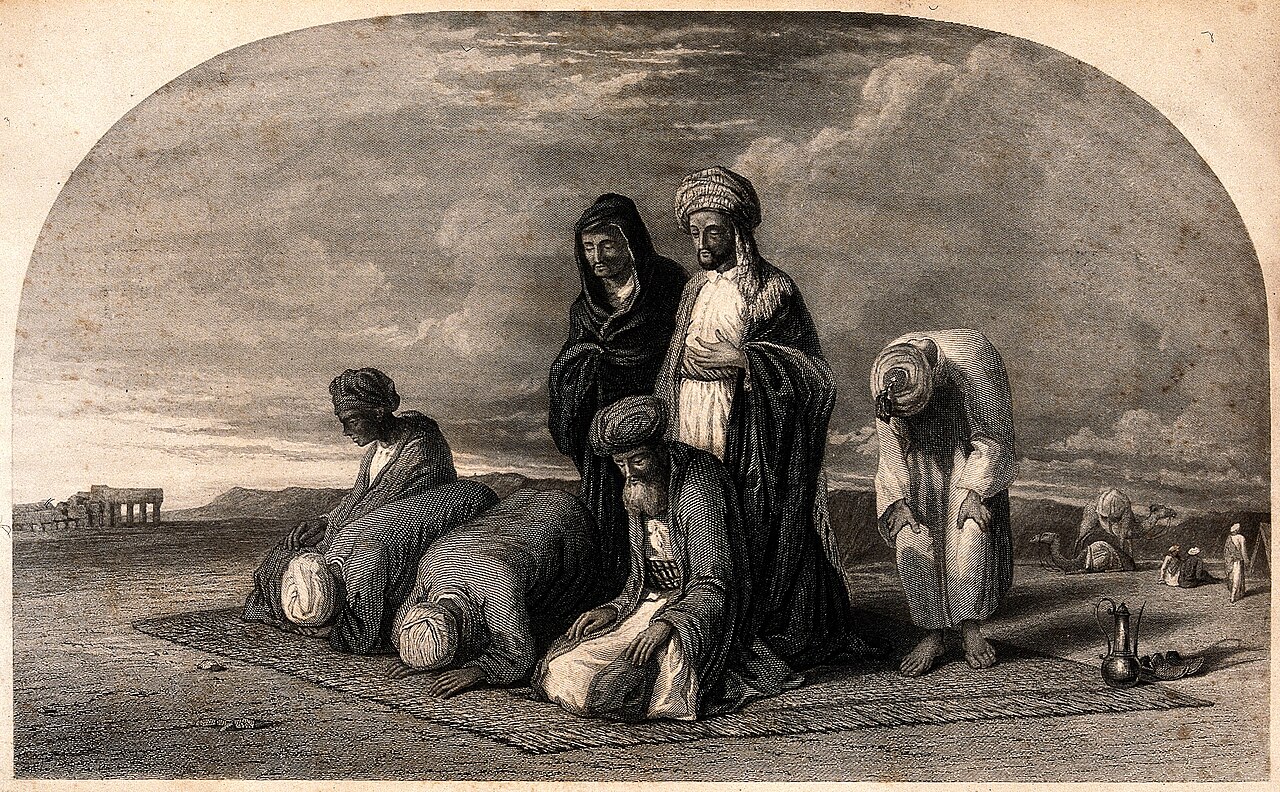
Next: bow with a level back while reciting the tasbih, rise to i'tidal, prostrate with seven body parts touching the ground, sit between the two prostrations, then prostrate again. In the second (and final) rak'ah, sit for tashahhud. The prayer ends with the salam: turning to the right then the left while saying “Assalamu'alaikum warahmatullah”.
Validity Requirements and Points to Observe
Before praying, ensure the requirements are met: purity from minor and major impurity, purity of body, clothing, and place from najis (impurity), covering the awrah, facing the qibla, and praying within the prayer's time. Perform every movement with tuma'ninah (calm, unhurried) and khushu' (devotion).
After the salam, it is recommended to recite dhikr and supplications — for example istighfar three times, then tasbih, tahmid, and takbir 33 times each — before leaving the prayer spot.