
What Vertigo Is
Vertigo is a dizzy sensation that makes a person feel as if they or their surroundings are spinning, even while still. It can last from seconds to hours and severely disrupt daily activities.
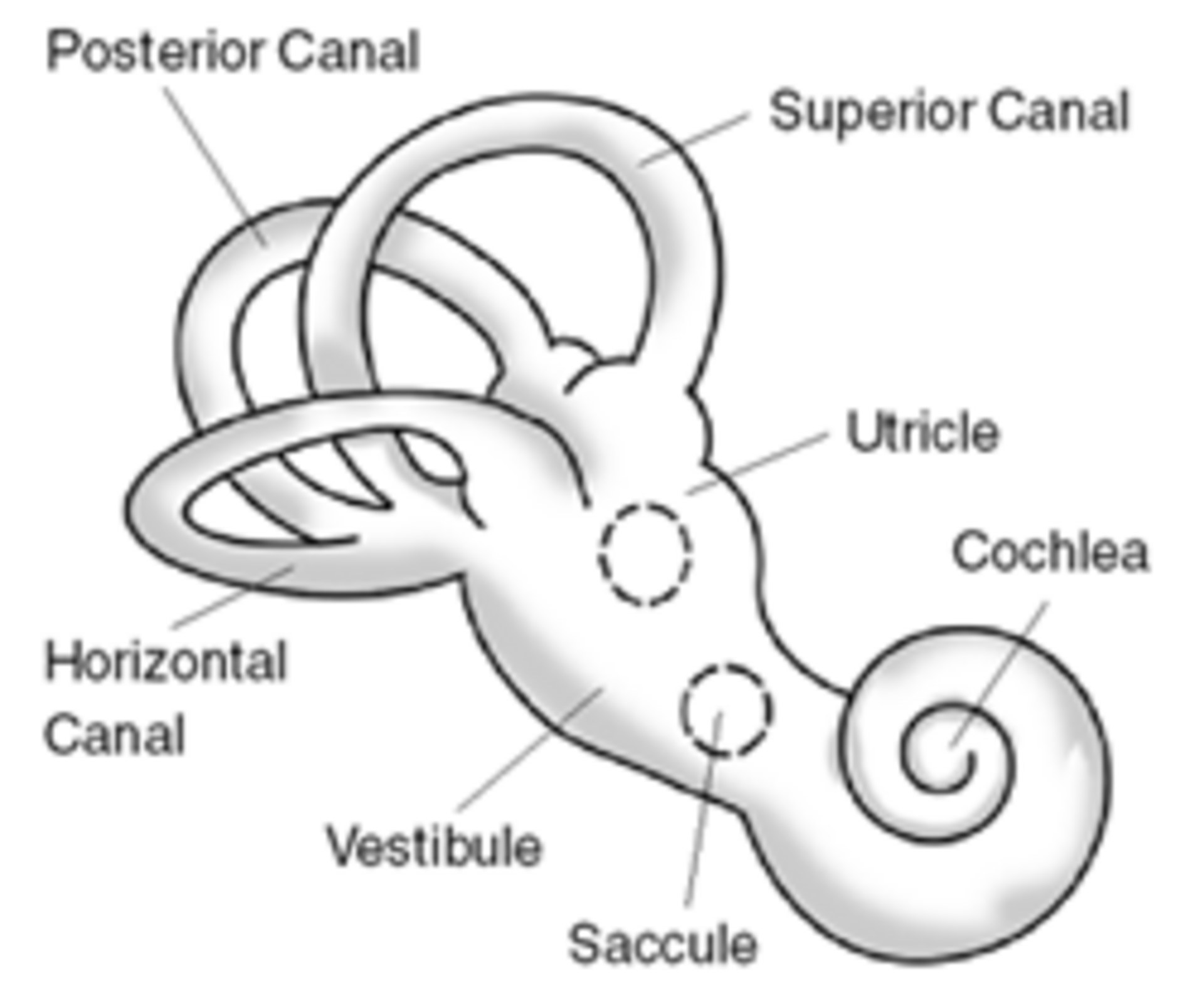
Common vertigo symptoms include a spinning sensation, loss of balance, nausea and vomiting, sweating, abnormal eye movements (nystagmus), and headaches. Vertigo is not a disease in itself but a symptom of a balance system disorder, especially in the inner ear.
Common Causes of Vertigo
The most common cause of vertigo is BPPV (Benign Paroxysmal Positional Vertigo), when tiny calcium carbonate crystals called otoconia become dislodged in the inner ear. According to the Ministry of Health, about 50 percent of BPPV cases have no known cause, while the rest relate to head trauma and balance nerve inflammation.
Other causes include Meniere's disease, which causes recurring vertigo with ringing ears and hearing loss, vestibular neuritis with sudden severe vertigo, and labyrinthitis or inner ear inflammation. Vestibular migraine can also trigger vertigo accompanied by headaches and sensitivity to light and sound.
In addition, vertigo can be triggered by side effects of certain drugs such as sleeping pills and anti-anxiety medication, pressure changes while diving, allergies, anxiety disorders, head injuries, and hormonal changes during pregnancy. Because causes vary, a doctor's diagnosis remains necessary.
How to Manage Vertigo
When vertigo strikes, sit or lie down immediately to avoid falling. Move your head slowly and avoid sudden position changes, such as getting out of bed gradually. Use extra pillows to keep your head slightly elevated while sleeping.
For BPPV cases, doctors can perform the Epley maneuver, a series of specific head movements to relocate calcium crystals to where they cause no symptoms. Doctors may also prescribe anti-dizziness or anti-nausea medication, or recommend vestibular rehabilitation, a special physiotherapy to train the body's balance system.
At home, make sure to get enough sleep, drink enough water to prevent dehydration, and manage stress, as excessive stress can worsen vertigo. If diagnosed with Meniere's disease, limit salt intake and reduce alcohol. Do not take anti-vertigo drugs without a doctor's advice, as treatment depends on the cause.
When to See a Doctor
Some vertigo resolves on its own, but medical examination is still needed if complaints recur, last a long time, or come with vomiting and walking difficulties. Go to a health facility immediately if vertigo comes with a severe headache, double vision, limb weakness, speech difficulty, or fainting.
These symptoms may signal more serious neurological problems such as stroke. Do not delay seeing a doctor so the exact cause of vertigo is identified and treated properly.


