
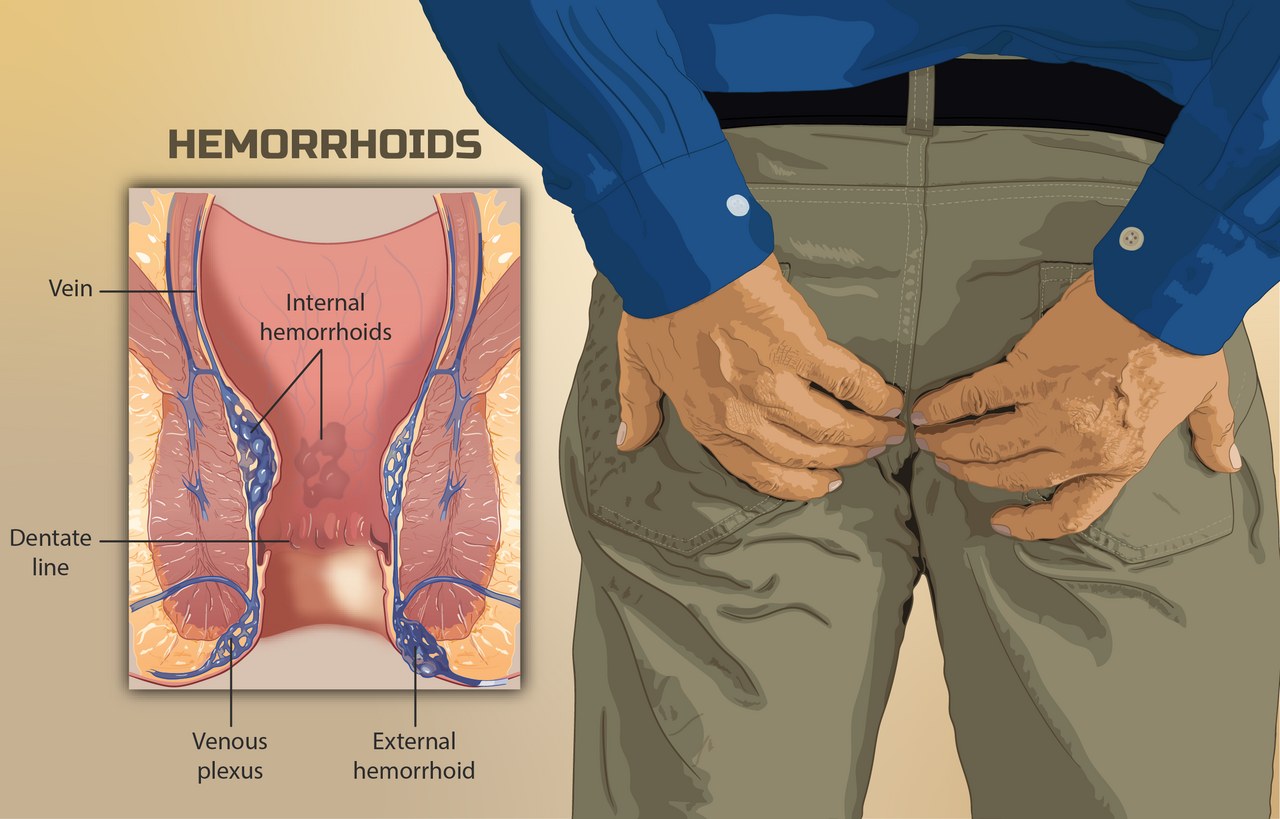
What Hemorrhoids Are and Their Types
Hemorrhoids, commonly called piles, are swollen and enlarged blood vessels and tissue around the anus caused by excessive pressure. Many people find the condition embarrassing and avoid treatment, yet early care can prevent it from worsening.
There are generally two types. Internal hemorrhoids occur inside the rectum and usually cause no pain, but often bleed during bowel movements. External hemorrhoids appear around the anus and tend to cause pain, swelling, and a bothersome sensation when sitting.
Hemorrhoid Symptoms to Recognize
The most typical symptom is bright red blood during or after bowel movements, usually painless in internal hemorrhoids. With external hemorrhoids, sufferers feel pain and discomfort, swelling around the anus, and tender lumps that hurt when touched.
Other common complaints include itching and irritation around the anus, a burning sensation, and mucus in the stool. Although often harmless, repeated bleeding should still be checked by a doctor to rule out more serious conditions.
Causes and Risk Factors
The main cause of hemorrhoids is excessive pressure on the blood vessels around the anus. That pressure can come from straining too hard during bowel movements, sitting too long on the toilet, and chronic constipation from a low-fiber diet. Prolonged diarrhea can also raise the risk.
Other risk factors include pregnancy due to hormonal changes and pressure from the fetus, obesity, frequent heavy lifting, lack of physical activity, and age, as body tissues weaken over time. An estimated 50 to 66 percent of people experience hemorrhoids at some point in their lives.
How to Treat and Prevent Hemorrhoids
Treatment usually begins with lifestyle changes. Eat high-fiber foods such as vegetables, fruit, legumes, and whole grains to soften stools, drink enough water, exercise regularly, avoid sitting too long, and do not strain during bowel movements. To reduce swelling and pain, doctors may recommend certain ointments or creams.
If complaints persist, medical options include rubber band ligation or sclerotherapy, and in severe cases doctors may advise surgery. Watch for complications such as anemia from repeated bleeding, blood clots, and infection. Do not hesitate to consult a doctor or health facility if hemorrhoid symptoms disrupt daily life or fail to improve.


