
Hundreds of Thousands Take to the Streets, Paris Paralyzed
A wave of demonstrations against rising living costs rocked France and spilled into Belgium on Saturday, 17 October 2026. The actions, which began among students, grew into broader protests over inequality, education funding, public spending, and living standards, while clashes with security forces erupted in several cities.
The French Interior Ministry estimated about 500 actions planned across regions. According to BFMTV citing police sources, 30,000 to 60,000 people were expected at the Paris demonstration, with nationwide participation projected at 90,000 to 170,000 people.
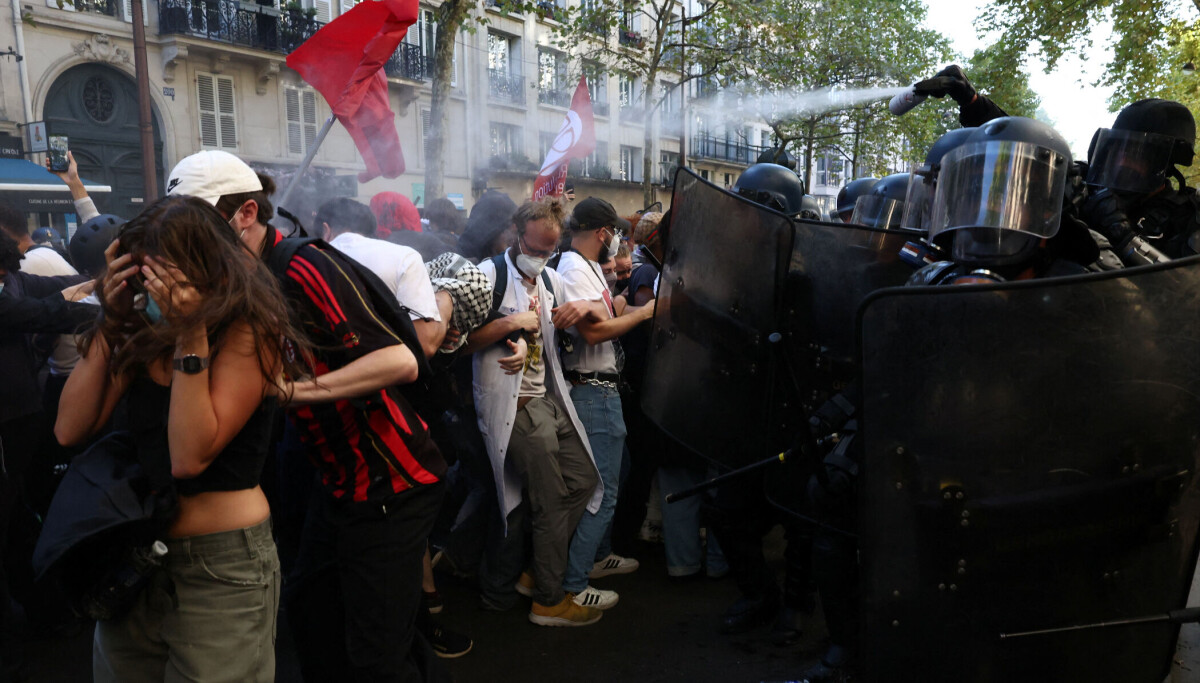
CNN Indonesia reported that by midday, 140 demonstrations had been recorded outside the Paris region with more than 30,000 participants, while at least 166 people were arrested nationwide. Police fired tear gas and pepper spray to push back thousands of demonstrators in Paris, who tried to hold their ground and threw bottles at officers.
Tear Gas in Paris, Metro Stations Closed
The anger of an alliance of students, university students, workers, and the "Yellow Vest" groups peaked over the cost-of-living crisis and deteriorating education facilities under President Emmanuel Macron's government. In Paris, several metro stations were closed at the police's request in anticipation of the demonstrations. Le Monde reported that Paris Police also banned demonstrations around the residences of President Emmanuel Macron and the prime minister on Saturday.
A wide range of groups was expected to take part, including radical left-wing activists, students, former Yellow Vest participants, taxi drivers, nurses, construction workers, and union representatives. The expanding participation reflects the diverse demands accompanying the protest wave.
Responding to the spreading clashes, President Emmanuel Macron stated: "No place for violence" — there is no place for violence. The statement came as demonstrators and police clashed in cities across France.
Rooted in Student Demands on Education
This wave of action is rooted in three weeks of student demonstrations that closed many schools across France. The students highlighted teacher shortages, overcrowded classrooms, and school buildings in need of repair. They judged education funding as out of step with the needs of students and schools.
The demands then gained support from parents, teachers, and other community groups. The actions later broadened into a channel for expressing anxiety over poverty, inequality, rising fuel prices, and government spending priorities. A week earlier, a French government spokeswoman said Macron believed the students had "legitimate" grievances but also felt they were being "exploited" by political forces.
Regionally, the protests were also reported to have spilled into Belgium, signaling similar anxieties crossing borders. With the French presidential election scheduled for April and May next year, this demonstration wave is expected to shape France's political map and public policy in the coming months.




No comments yet. Be the first!