
Hundreds of Thousands March, Paris Paralyzed
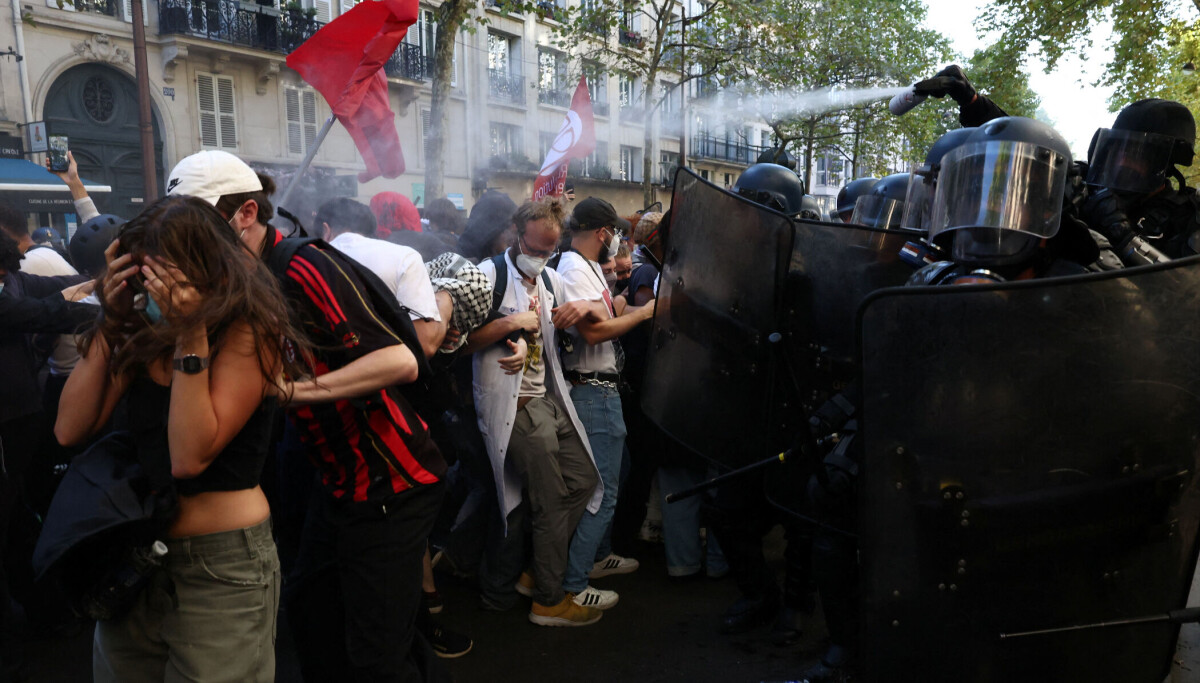
A wave of demonstrations against the rising cost of living shook France and spilled into Belgium on Saturday, October 17, 2026. What began among students escalated into broader protests over inequality, education funding, public spending, and living standards, while clashes with authorities broke out in several cities.
The French Ministry of the Interior estimated that around 500 actions were planned nationwide. According to a BFMTV report citing police sources, 30,000 to 60,000 people were expected to join demonstrations in Paris, while turnout nationwide was projected to reach 90,000 to 170,000 people.
According to a report by CNN Indonesia, by midday 140 demonstrations were recorded outside the Paris region with over 30,000 participants, while at least 166 people were arrested nationwide. Police fired tear gas and pepper spray to push back thousands of demonstrators in Paris who held their ground and threw bottles at officers.
Tear Gas in Paris, Metro Stations Closed
Anger among an alliance of students, university attendees, workers, and 'Yellow Vests' (Rompi Kuning) members peaked amid the surging cost of living and deteriorating educational facilities under President Emmanuel Macron's administration. In Paris, several metro stations were closed at the request of police in anticipation of the demonstrations. The newspaper Le Monde reported that Paris police also barred rallies near the residences of President Emmanuel Macron and the prime minister on Saturday.
A wide variety of groups were expected to take part, including radical left-wing activists, students, former Yellow Vests movement participants, taxi drivers, nurses, construction workers, and trade union representatives. The widening pool of participants reflected the diverse demands driving the wave of unrest.
Responding to the spreading clashes, President Emmanuel Macron stated: 'No place for violence'. The statement came as demonstrators and police clashed in several cities across France.
Sparked by Student Demands Over Education
This wave of action stemmed from three weeks of student protests that shut down numerous schools across France. Students highlighted teacher shortages, overcrowded classrooms, and the state of school buildings requiring repairs. They argued that education funding failed to match the needs of students and schools.
Those demands soon drew support from parents, teachers, and other community groups. The mobilization subsequently broadened into a platform addressing poverty, inequality, rising fuel prices, and government spending priorities. The previous week, a French government spokesperson conveyed that Macron considered the students' grievances 'legitimate', though he believed they were also being 'exploited' by political forces.
At the regional level, protests reportedly spilled into Belgium as well, signaling similar discontent crossing national borders. With the French presidential election scheduled for April and May next year, this wave of protests is anticipated to be a defining factor shaping France's political landscape and public policy in the months ahead.




No comments yet. Be the first!