
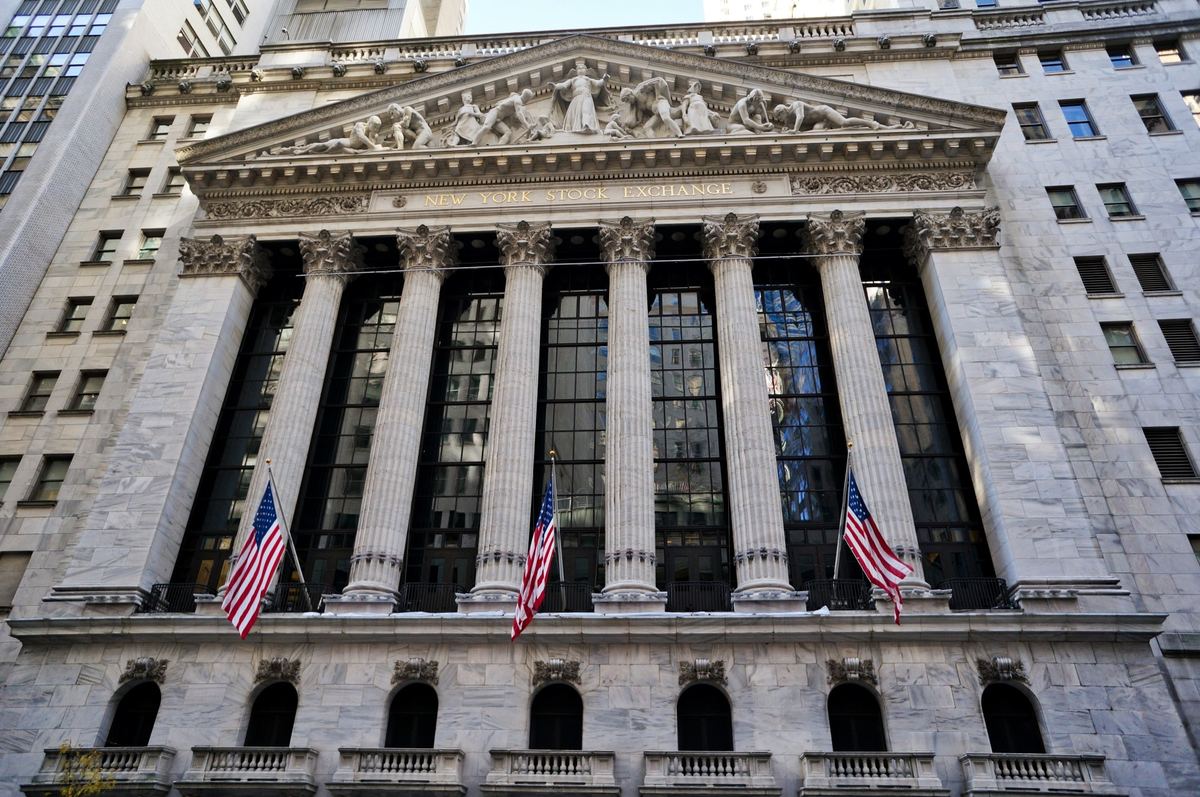
Wall Street Plunges as AI Bubble Fears Return
United States stock markets experienced a massive sell-off during Thursday trading. The S&P 500 closed down 1.21% at 7,663.43, while the Nasdaq slumped 2.60% to 26,008.86. Only the Dow Jones remained in the green with a slight gain of 0.02% to 52,867.98.
Concerns over the sustainability of massive investment returns in the artificial intelligence (AI) sector reemerged as the primary trigger for the decline. Investors digested earnings reports from tech firms and questioned their ability to bear the financing risks of AI expansion.
Meta Platforms shares sank 7% despite reporting higher-than-expected profits and revenue, driven by record-high credit risk and jumbo capital expenditure plans. Pressure also hit Nvidia, which slid 4.4%, Alphabet down 3.2%, Microsoft falling 2.2%, Amazon dropping 4.6%, and Tesla slipping 3.1%.

Brent Surges to US$113.17, Highest Since May
In commodity markets, crude oil prices jumped sharply amid Middle East geopolitical tensions. Brent crude surged 4% to US$113.17 per barrel, while WTI rose 2.39% to US$99.47 per barrel.
On Friday morning trading, Brent traded at US$114.47 per barrel — its highest level since May 4 — and was heading for a third consecutive weekly gain, according to Reuters. Markets reassessed geopolitical risk premiums following Houthi attacks on Saudi Arabia and tensions around Bab el-Mandeb.
Saudi Aramco on Thursday ordered the evacuation of its headquarters in Dhahran amid intensifying fighting between Saudi Arabia and the Iran-backed Houthis. An ING analyst noted that the market is increasingly worried about further escalation in the Persian Gulf threatening global oil flows.
Reported Plans for Strikes on Iran Spark Panic
Pressure on tech stocks mounted following a report by The New York Times that the United States and Israel had drawn up plans to strike Iran again after next month's United States midterm elections.
United States President Donald Trump also stated that Washington is not negotiating with Tehran and indicated that developments regarding Iran would occur in the near future. Concerns over potential conflict escalation raised risks of global energy supply disruptions.
The surge in energy prices added uncertainty to inflation outlooks and corporate operating costs. If the oil rally proves prolonged, companies will face steeper cost pressures while consumers could curtail spending due to expensive fuel.
Investors Flee to Bonds, Asian Markets Under Pressure
Amid the equity sell-off, investors shifted to United States government bonds seeking shelter. The 10-year Treasury yield dropped 17 basis points to 4.95%, breaking below the 5% threshold for the first time since September 23.
Volatility spilled over into Asia during Friday trading. South Korea's Kospi sank 3.52% to 5,533.77, Japan's Nikkei 225 fell 2.65% to 62,907.84, and Hong Kong's Hang Seng dropped 3.00% to 22,934.68, tracking regional market downturns.
Meanwhile, Libya shut pipeline valves from the Hamada and Tahara fields to the port of Zawiya, curtailing output at both locations. For global markets, the combination of AI financing uncertainty and Middle East conflict threats serves as a reminder that technology growth prospects must be evaluated alongside funding risks, equity valuations, and changing energy costs.







No comments yet. Be the first!