
Why Indonesian Nickel Is in High Global Demand
Nearly every electric vehicle driving on the world's roads today carries Indonesian nickel in its battery. United States Geological Survey (USGS) data indicates that Indonesia holds the world's largest nickel reserves—roughly 42 percent of global reserves, or 55 million metric tons.
Its dominance is even greater in terms of production: in 2024, Indonesia mined 2.31 million metric tons of nickel, accounting for approximately 62 percent of global supply. Nickel is a vital component of NCM-type lithium-ion battery cathodes, determining energy density and electric vehicle range.
The 2020 Export Ban That Redrew the Map
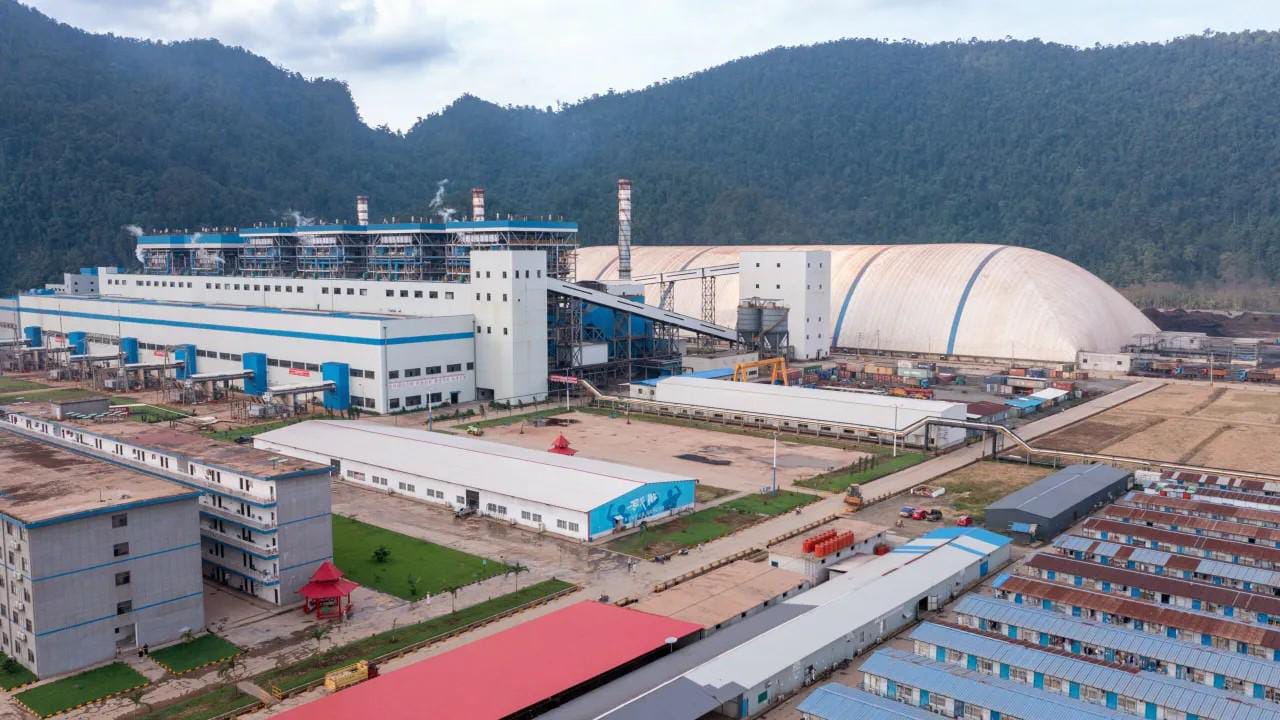
The turning point arrived in January 2020, when President Joko Widodo banned raw nickel ore exports. This downstreaming policy forced international firms to construct domestic smelters to access Indonesia's nickel.
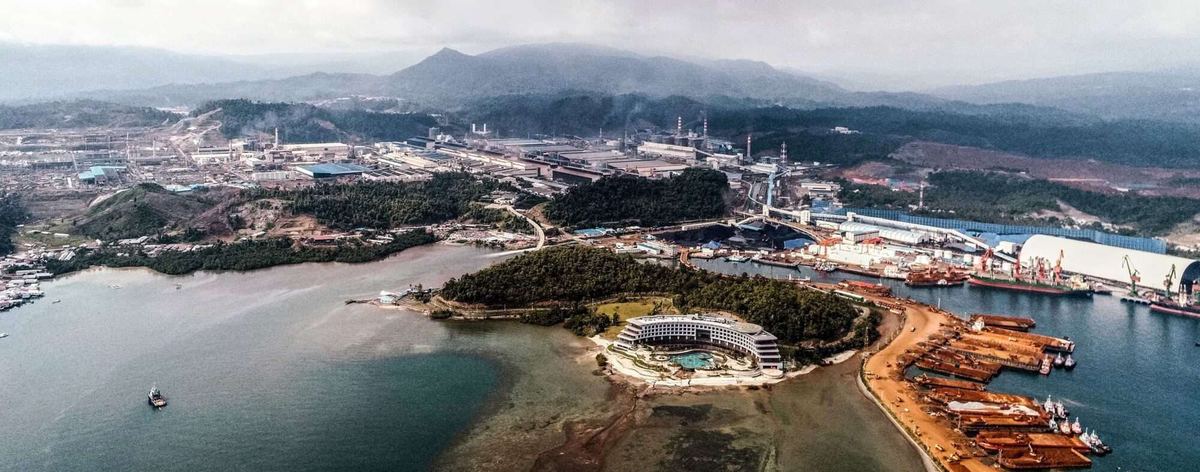
The results were striking: export values for nickel and its derivatives jumped from US$6 billion to US$30 billion in 2022. Industrial zones like Indonesia Morowali Industrial Park (IMIP) in Central Sulawesi now process 500,000 metric tons of nickel annually and employ over 90,000 workers. HPAL (High-Pressure Acid Leach) technology converts laterite ore into mixed hydroxide precipitate (MHP)—a key raw material for electric vehicle batteries.
Investment waves continue, including the US$3.8 billion Pomalaa HPAL facility, a joint venture among Huayou Cobalt, Ford, and Vale Indonesia that feeds directly into global automaker supply chains.
From Smelters to Battery Plants
The pinnacle of downstream processing is taking shape in Karawang, West Java. On June 29, 2025, President Prabowo Subianto broke ground on the electric vehicle battery ecosystem project of PT Contemporary Amperex Technology Indonesia Battery (CATIB)—a joint venture between Indonesia Battery Corporation (IBC) and the CBL consortium (CATL, Brunp, and Lygend).
The US$5.9 billion project encompasses six subprojects from upstream to downstream: nickel mining, an HPAL smelter, smelting, precursor and cathode manufacturing, battery recycling, and battery cell and module assembly. An initial capacity of 6.9 GWh is slated to expand to 15 GWh.
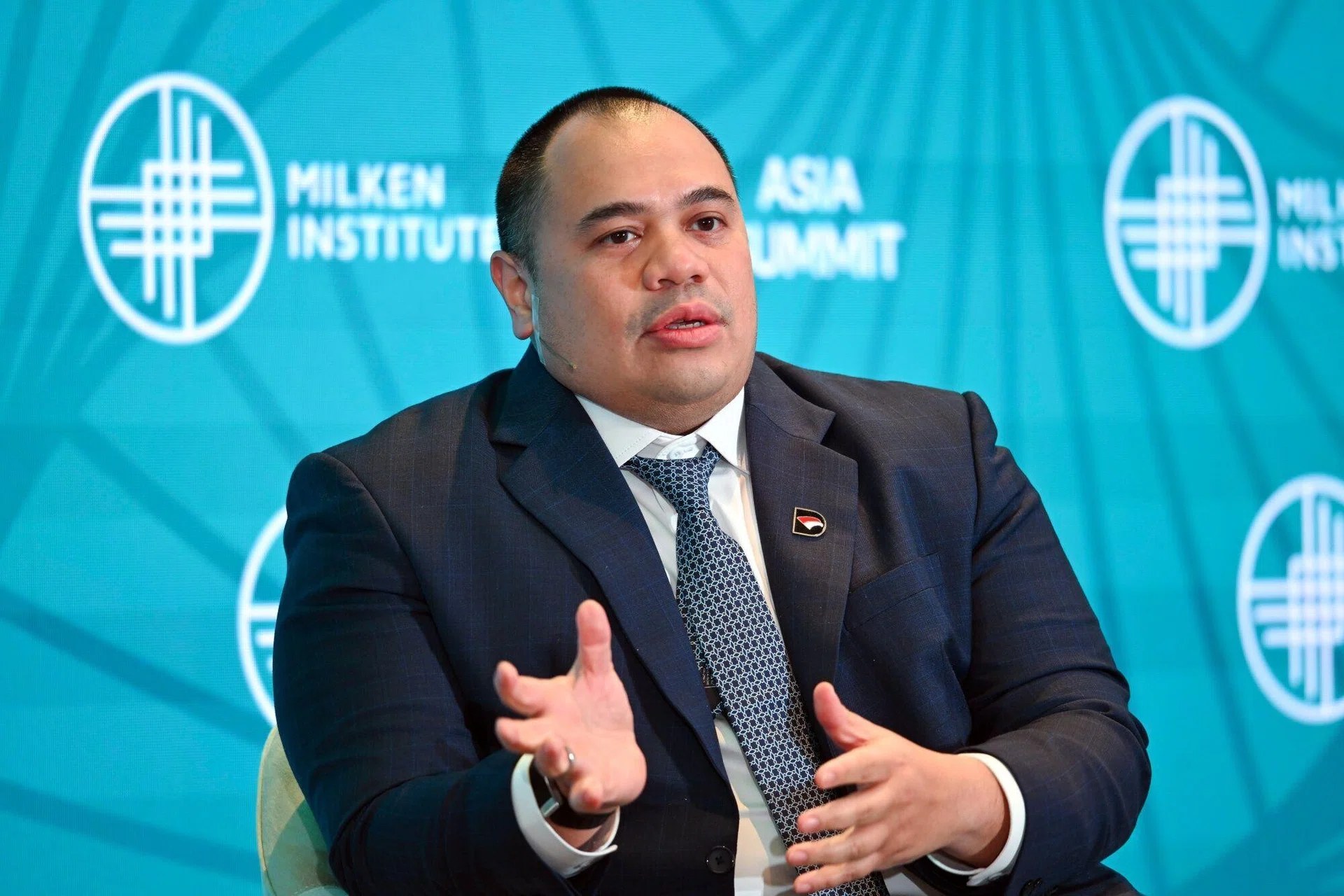
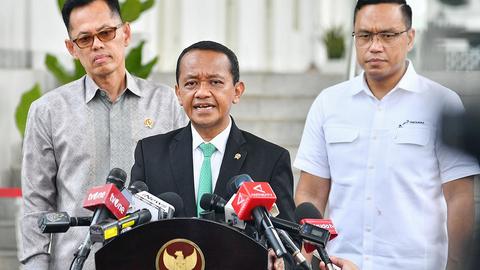
"It is ready for inauguration. We are merely awaiting the right time from the President," said Minister of Energy and Mineral Resources (ESDM - Energi dan Sumber Daya Mineral) Bahlil Lahadalia. CATIB is Indonesia's second battery ecosystem plant following the Hyundai-LG facility (HLI Green Power).
Challenges Behind the Nickel Boom
Yet Indonesia's path to becoming a premier global battery player faces hurdles. Global nickel prices fluctuate, and several EV makers are pivoting to iron-based LFP battery chemistry, which uses no nickel. Environmental issues and technology transfer also draw scrutiny—capital inflows are massive, but mastery over technology does not automatically transfer.
The government maintains ambitious goals: the Ministry of Industry roadmap targets 600,000 four-wheeled electric vehicles and 2.45 million two-wheeled electric units by 2030. If achieved, Indonesia will no longer be just a raw material supplier, but a full-fledged player in the global electric vehicle supply chain.
No comments yet. Be the first!