
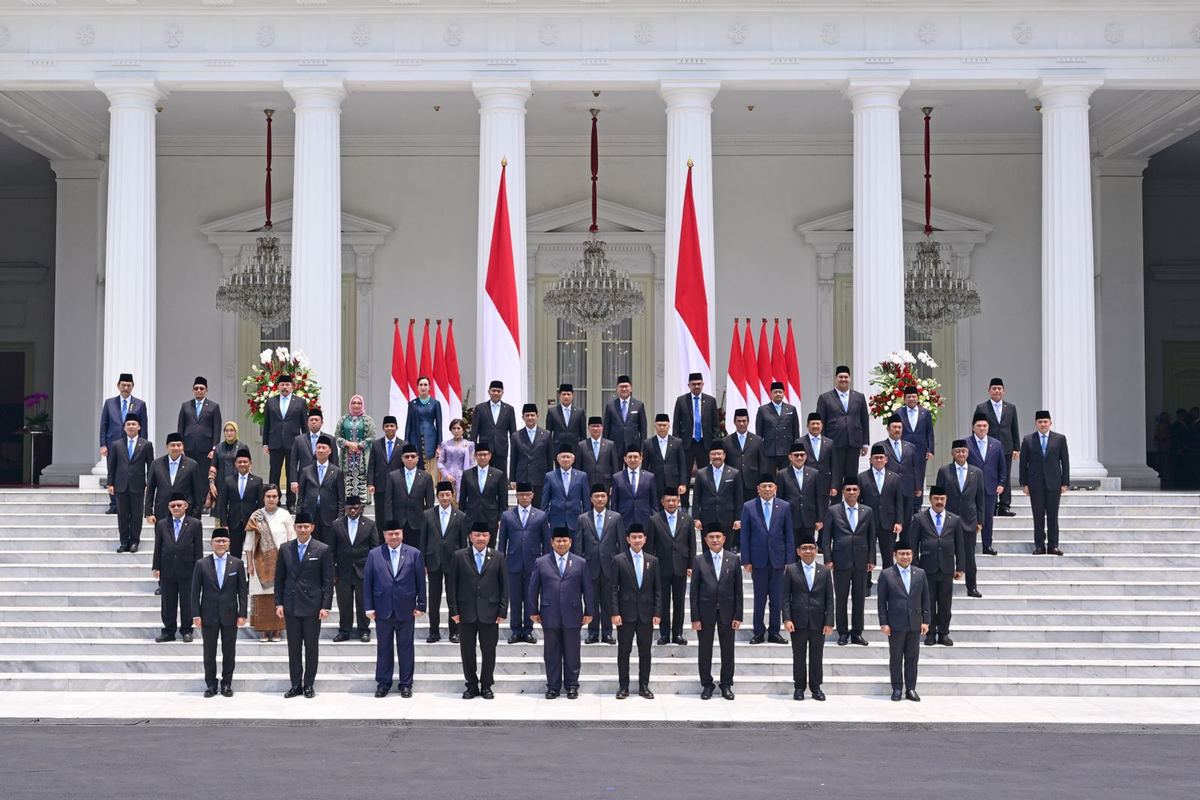
Luhut: State Loss Element Not Removed
National Economic Council (DEN - Dewan Ekonomi Nasional) Chairman Luhut Binsar Pandjaitan clarified circulating narratives regarding proposed changes to the definition of corruption. He emphasized that the recommendations from DEN's study do not eliminate the element of state financial loss from corruption offenses. Articles 2 and 3 of the Anti-Corruption Law (UU Tipikor - Undang-Undang Tindak Pidana Korupsi), as well as Articles 603 and 604 of the Criminal Code (KUHP - Kitab Undang-Undang Hukum Pidana), will be retained.
The clarification was essential because several previous headlines claimed that 'state loss would be removed from the definition of corruption.' According to Luhut, the focus of DEN's review is instead to clarify evidential elements and introduce offenses regulated by the United Nations Convention Against Corruption (UNCAC) that are not yet covered under Indonesian law, such as trading in influence, private sector corruption, and the bribery of foreign public officials. Luhut presented the study's findings to President Prabowo Subianto on Tuesday (20/10/2026).
Yusril: Definition of Corruption Stagnant for 20 Years
A day after the review was presented to the President, Coordinating Minister for Legal, Human Rights, Immigration, and Corrections Affairs (Menko Kumham Imipas) Yusril Ihza Mahendra expressed support for revising the Anti-Corruption Law. He made the statement following a Plenary Cabinet Meeting at the Presidential Palace Complex in Jakarta on Wednesday (21/10/2026). According to Yusril, Indonesia's definition of corruption has been stagnant for 20 years since Indonesia ratified UNCAC through Law No. 7 of 2006 and the 2001 amendments to the Anti-Corruption Law.
'Actually, it is only in the explanatory memorandum of our corruption law itself that it is called an extraordinary crime. But in fact, from an international legal perspective, it is not categorized as an extraordinary crime,' Yusril said. 'However, while we certainly employ extraordinary measures to eradicate corruption, corruption itself is not an extraordinary crime.' Yusril even stated, 'no country has a definition of corruption quite like ours.'
One of the reasons for the revision, Yusril noted, is that the state loss element makes public officials and directors of State-Owned Enterprises (BUMN - Badan Usaha Milik Negara) hesitant to make business decisions—where incurring a loss is deemed corruption, while making a profit goes unremarked. He cited the case of former Pertamina President Director Karen Agustiawan as a precedent warranting evaluation. If the definition is aligned with UNCAC, bribery will remain under the purview of the Corruption Eradication Commission (KPK - Komisi Pemberantasan Korupsi), whereas other acts would fall under general criminal offenses in the Criminal Code. Yusril acknowledged that this revision is not yet included in the National Legislation Program (Prolegnas - Program Legislasi Nasional) and that he will coordinate with Minister of Law Supratman Andi Agtas.
ICW Urges Public to Reject the Proposal
On the other hand, Indonesia Corruption Watch (ICW) urged the public to reject the proposal to remove state loss from the definition of corruption. ICW assessed that there are suspected personal or group interests behind the terminological shift.
To date, the government has not confirmed when the revision of the Anti-Corruption Law will be submitted to the House of Representatives (DPR - Dewan Perwakilan Rakyat). What is clear is that the debate surrounding the definition of corruption—between aligning with international standards and preserving enforcement sharpness—has only just begun.





No comments yet. Be the first!