The Trump Call and the Scrapped Red Card
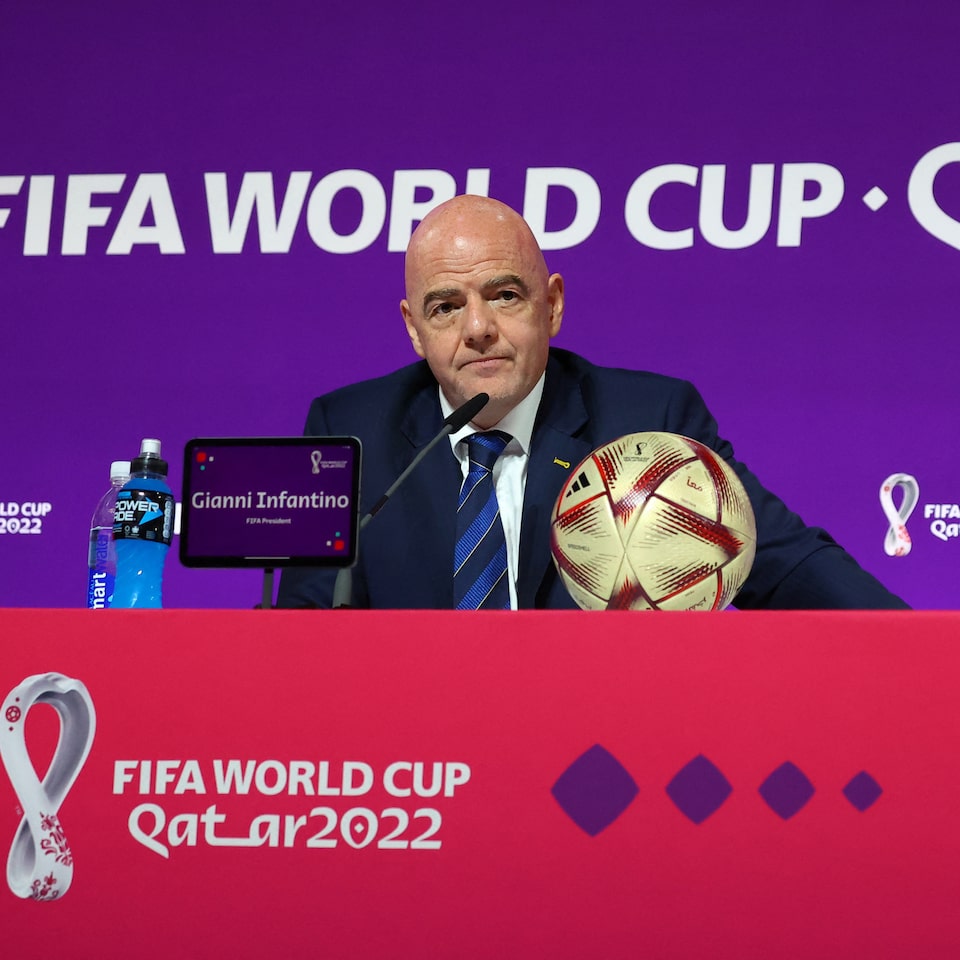
The New York Post, citing four FIFA sources, reports FIFA President Gianni Infantino breached his own disciplinary code when he agreed to quash the suspension of USMNT (United States Men's National Team) striker Folarin Balogun during a phone call with U.S. President Donald Trump on July 1, 2026. "He told President Trump that he would take care of it," one of the sources told the Post.
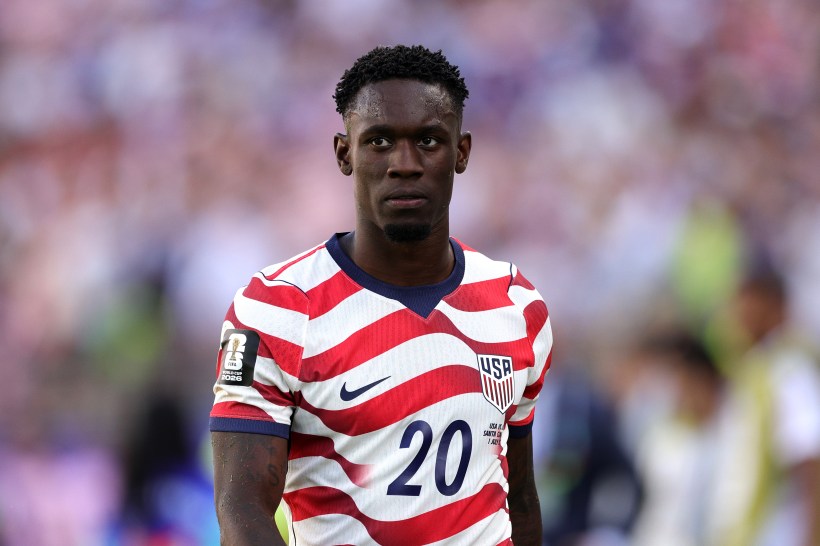
Balogun was sent off in the 64th minute against Bosnia and Herzegovina for a foul on Tarik Muharemovic. The U.S. still won 2-0 with ten men in the 2026 World Cup round of 32. Without that intervention, Balogun would have missed the round-of-16 clash with Belgium.
FIFA's Disciplinary Committee then suspended the automatic one-match ban for a one-year probationary period, clearing Balogun to play on July 6. The U.S. lost 4-1 to Belgium.
FIFA Quietly Rewrote the Rules 36 Hours Before Crisis Summit
Leaked documents obtained by the Post show FIFA quietly rewriting its disciplinary code. Late Tuesday night, just 36 hours before a crisis summit in Switzerland, FIFA's top brass sent a draft code change forbidding FIFA legal panels from suspending automatic one-game red-card bans.
In an accompanying memo, FIFA claimed the rewrite is needed to ensure stability and protect the integrity of competitions. Critics in European football see the midnight filing as an admission of guilt and a retroactive attempt to cover up Infantino's meddling.
ESPN reported that a motion to prohibit such suspensions of one-match bans will top the agenda when the 37-member FIFA Council meets Thursday. FIFA vice president Debbie Hewitt has demanded Infantino release all documents related to the case.
Norway's Ethics Complaint: Three Cases, One Common Thread
Last week, Norwegian Football Federation (NFF) president Lise Klaveness filed formal complaints with FIFA's Ethics Committee and its Governance, Audit and Compliance Committee. The filings target three cases: the Balogun ban reprieve, the FIFA Peace Prize Infantino created and gave to Trump in December 2025, and the FIFA Forward Enterprise project.
Forward Enterprise was a secret plan to sell around 20 percent of a new World Cup commercial-rights entity to private investors. The lead investor was reportedly the venture capital firm of Joshua Kushner, brother of Trump's son-in-law Jared Kushner. The plan collapsed within days after opposition from UEFA, CONCACAF, and the AFC.
Klaveness, a longtime Infantino critic calling for his resignation since August, said the three cases share a common thread: the same political regime. For the NFF, the three cases illustrate "an abuse of FIFA's powers and influence."
FIFA Denies, but Support for Infantino Keeps Eroding
FIFA denied the Post's allegations. "Our position has not changed regardless of what unnamed sources claim," he said, adding Infantino had previously denied involvement in the decision.
But political pressure keeps mounting: Belgium mocked the ruling with an "Overturn this!" message and withdrew its support for Infantino's re-election in September, joining England, Wales, Ireland, Croatia, Albania, Greece, and Norway. UEFA and CONCACAF still demand $2.11 billion from FIFA's reserves.
Infantino, eyeing a fourth term, faces a FIFA presidential election in Rabat next March amid what Klaveness calls one of FIFA's biggest crises in many years.