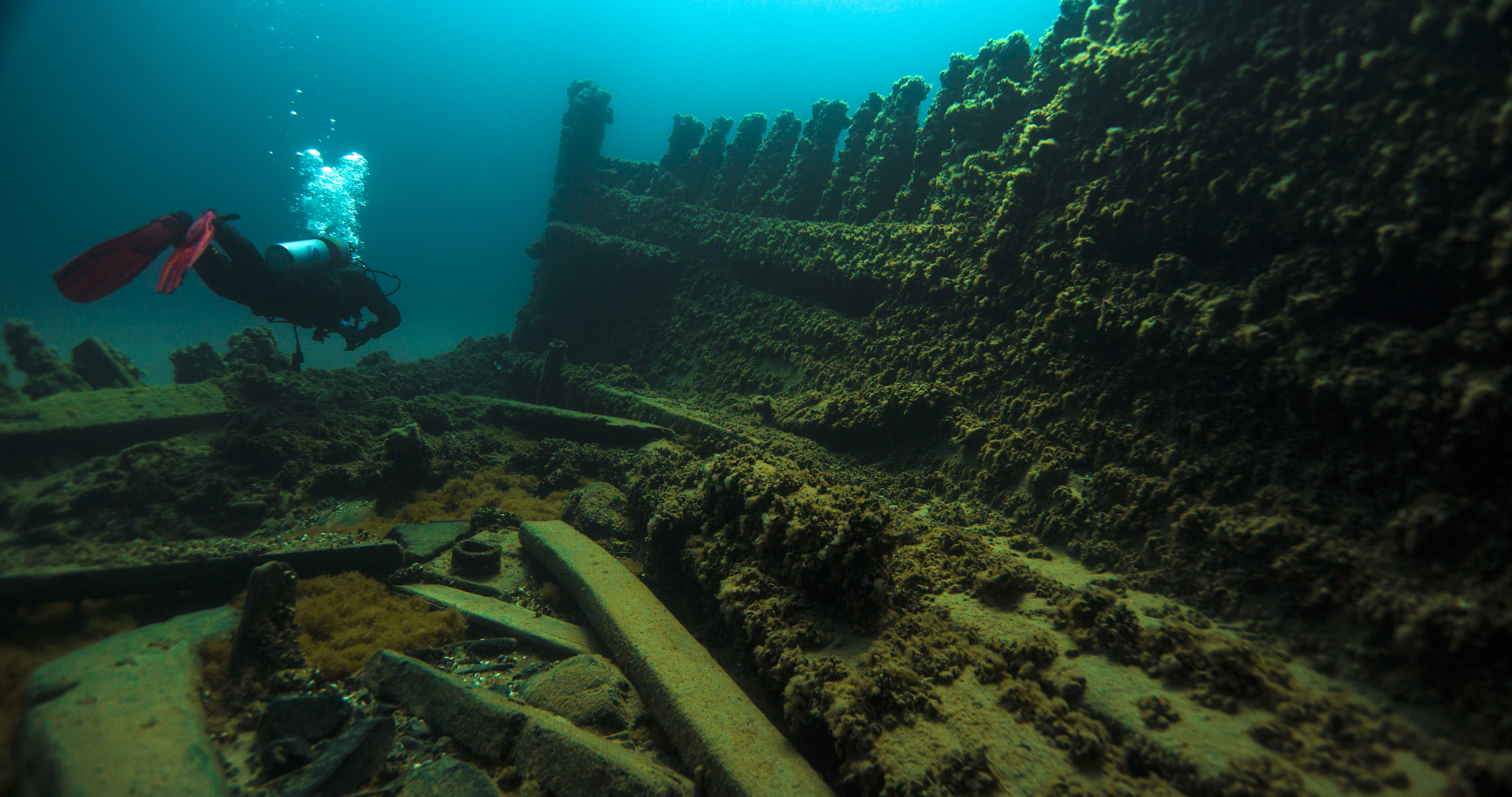
World's Oldest Shipwreck Is 4,700 Years Old
Archaeologists led by Prof. Hakan Öniz of Akdeniz University, Antalya, have announced the discovery of the world's oldest shipwreck off Kekova Island, on Turkey's southern coast. The merchant vessel is estimated to be 4,400 to 4,700 years old, dating to the Early Bronze Age — roughly contemporary with the construction of Egypt's Great Pyramid of Giza. The official announcement was made by Turkey's culture ministry on Wednesday (14/10/2026).
"The shipwreck is a time capsule at the bottom of the sea," said Öniz. The wreck lies on an underwater slope about 30 metres below the surface, with artefacts scattered across the seabed. Divers conducting the excavations were limited to 30-minute shifts because of the depth of the site.
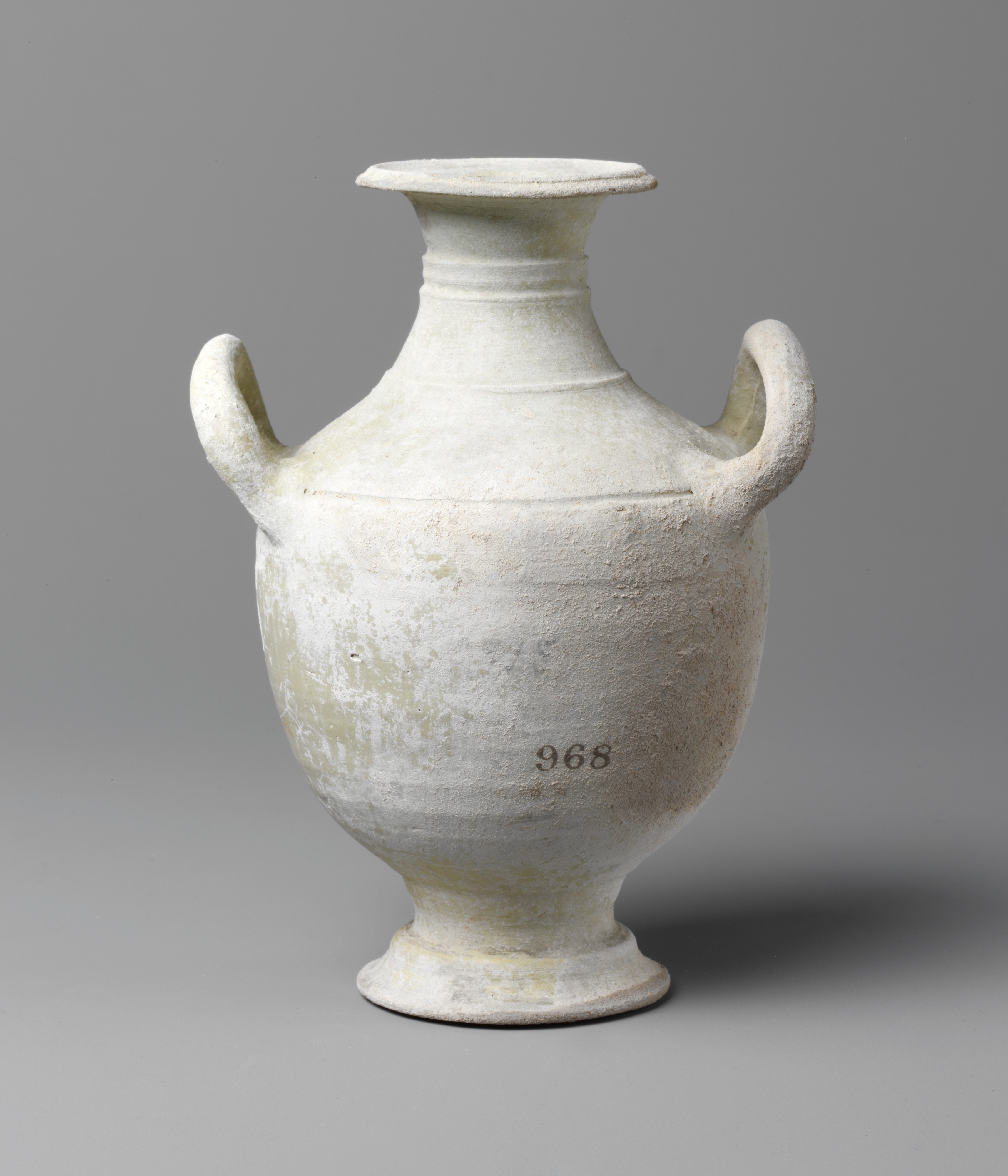
Dozens of Amphorae and Stone Anchors Survive Intact
Not a single timber of the ship survived, but its ceramic cargo held up remarkably well. Divers found more than 30 ancient ceramic storage vessels known as amphorae, along with three large stone anchors the ship carried as spares for long voyages. The vessel is estimated at about 10 metres long and carried goods across the Mediterranean Sea.
The amphorae are thought to have been used mainly for transporting olive oil or wine. One amphora, however, stands out — it bears distinctive marks and two holes in its body, suggesting it could have been used to make cheese or butter. Researchers believe the sailors may have brought goats on their voyages, using their milk to make dairy products.
Surprisingly, several intact amphorae turned out not to be empty. Dr. Karin Sowada of Macquarie University, Australia, found a thick, glossy residue inside them. Laboratory testing is now under way to determine whether the vessels held olive oil, wine or tree resin, or had been reused over many years.
Age Determined From the Shape of the Amphorae
With no organic wood remaining, radiocarbon dating could not be used. Instead, archaeologists analysed the shape of the amphorae — two handles, a ridge in the middle and a flat base. The design matched amphorae found near the Giza pyramids in Egypt and across the Middle East that are known to be 4,400–4,700 years old.
Öniz initially thought the amphorae were much more recent, until he read a publication on amphorae found near the Giza pyramids. The team then invited Sowada, a leading amphora expert, to examine the evidence directly at the wreck site. "Comparing the decoration techniques… we can definitely say our wreck is Early Bronze Age. This is 100 per cent," Öniz said.
A New Record, Possibly Sailing for Troy
The discovery breaks the previous record for the oldest shipwreck — debris estimated at about 4,200 years old near Dokos Island, Greece. For comparison, the oldest wreck whose wooden structure still survives dates from about 2,400 years ago, found off the Bulgarian coast of the Black Sea.
Archaeologists believe the ship departed from the eastern Mediterranean coast and was heading for Troy in northwestern Turkey or Minoan settlements on Crete. The wreck was first discovered four years ago, and the waters around Kekova Island are known for strong currents and winds that have sunk hundreds of ships over the centuries.