
Timeline of the Incident
Toledo, Ohio — A chemical tank exploded at the MC Tank Transport facility at 1266 Progress Ave, north Toledo, Ohio, at around 9:30 p.m. on Tuesday night (10/20/2026) local time. The tank contained glycidyl methacrylate, an industrial chemical used in the manufacture of plastics, paints and coatings, with a tank capacity of up to 5,500 gallons.
The incident triggered an evacuation order for about 983 residents living within a 1-mile radius of the site. Residents within a 3-mile radius were told to shelter in place, close windows and shut off ventilation systems drawing in outdoor air. Several schools across the Michigan state line, including Bedford and Mason, were closed Wednesday morning as the chemical drifted with the wind.
A sheriff's deputy was injured while responding to the blast and transported himself to the hospital, Toledo Mayor Wade Kapszukiewicz said at a Wednesday morning news conference. The mayor called the event a serious incident and urged residents to stay calm but vigilant. The cause of the explosion remains unknown; the Ohio Environmental Protection Agency said an error occurred while the material was being transferred.
Toxic Chemical Threat
Glycidyl methacrylate is liquid inside the tank but turns into gas when released into the air, producing a thick plume of smoke that blanketed parts of Toledo. The Toledo Fire Department warned residents that the gas can make the eyes, nose, mouth and skin feel as if they are burning. Overexposure can cause headache, dizziness, fatigue, nausea and vomiting.
Karim Baroudi, director of the Toledo-Lucas County Health Department, stressed the substance is toxic if touched or ingested. He said the immediate impact is mostly an irritant at this point. Residents feeling eye irritation or breathing difficulty were advised to shower immediately and contact a medical professional if symptoms worsen.
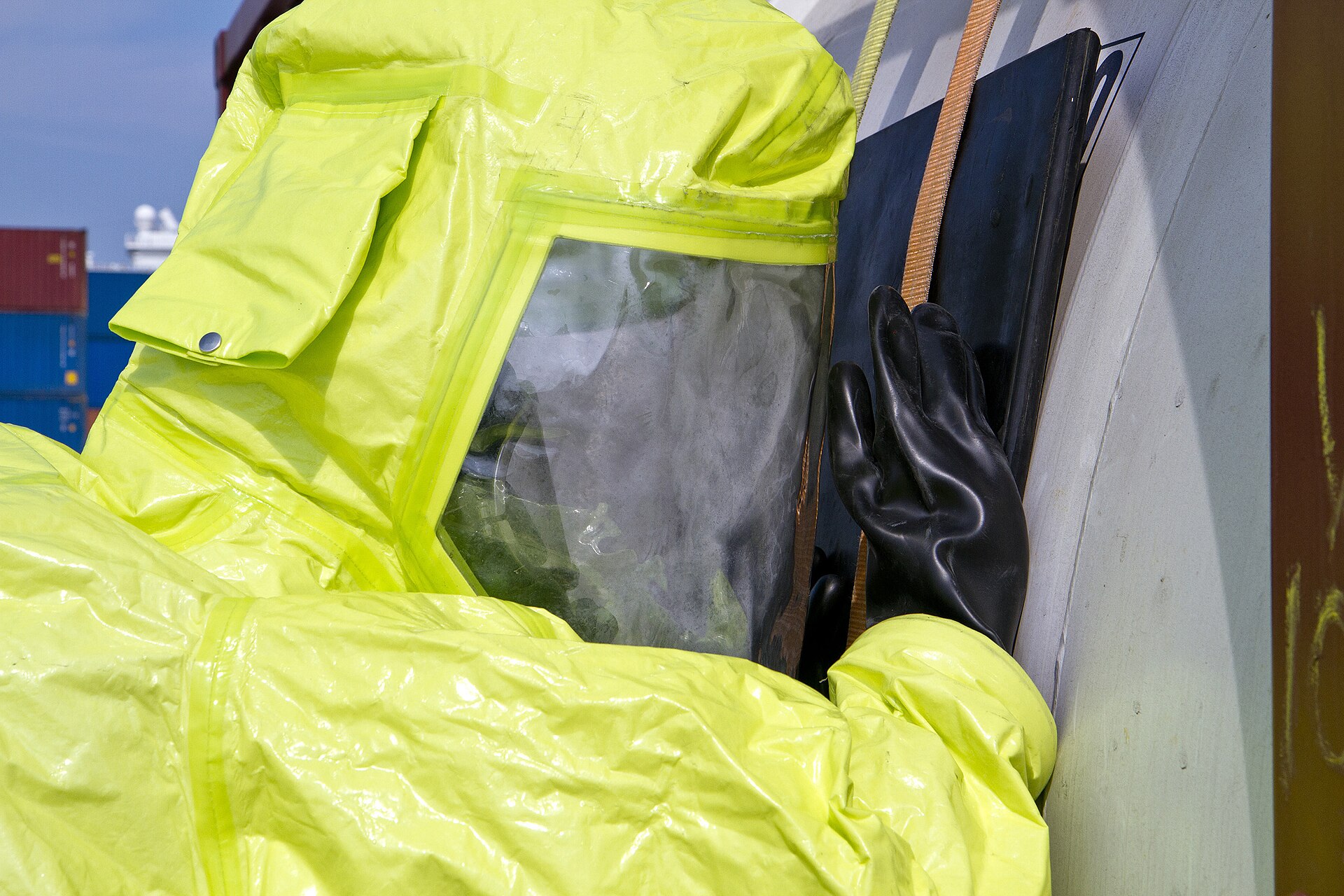
Hazardous materials (hazmat) crews could not approach the tank because of the risk of another explosion. The mayor warned the tank was still emitting the chemical and had the potential to explode within 12 hours of the incident, so crews would only reassess conditions after that risk window passed. The U.S. Environmental Protection Agency was also deployed to monitor air quality and support the incident command.
Impact on Surrounding Areas
The dense haze from the release reduced visibility across the city, home to about 265 thousand residents. A local meteorologist reported very light winds pushing the hazardous material south and southwest of Toledo, toward downtown. Residents outside the evacuation and shelter-in-place zones who smelled an unusual odor were also told to stay indoors.
The city is acting with extra caution given the tank cannot be approached until the explosion risk is declared over. The latest official update had not yet announced a change in status after the 12-hour window passed Wednesday morning local time. Stateline MEDIA will update the evacuation and air-quality situation in Toledo as local authorities release new information.









No comments yet. Be the first!