Two Cargo Ships Sink Within 24 Hours
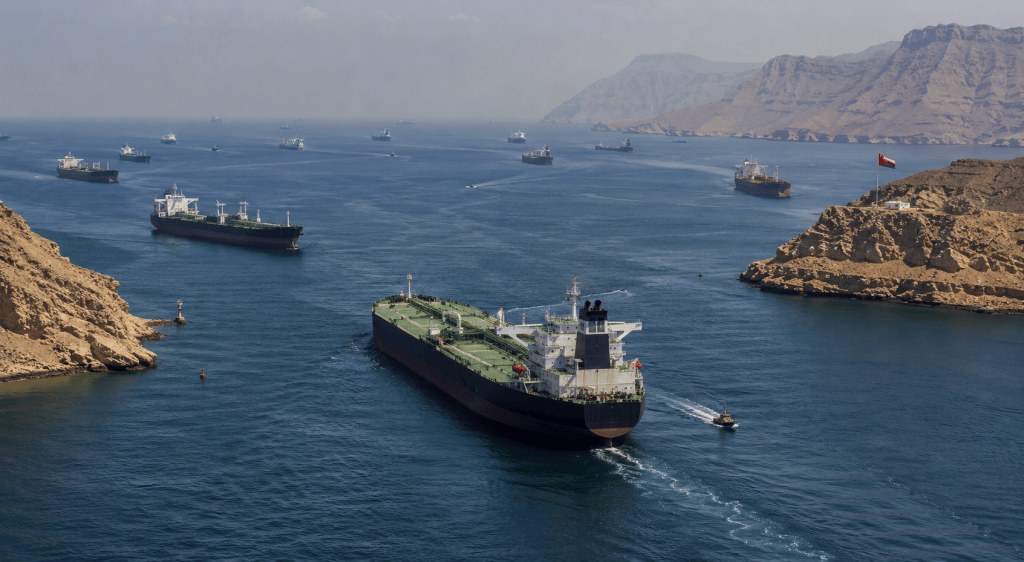
Two cargo ships sank near the Strait of Hormuz in the past 24 hours after being struck by projectiles in separate incidents, CNN and The Wall Street Journal reported on Thursday (10/15/2026). The sinkings mark a dangerous escalation along the world's most vital oil shipping lane, amid a sharp rise in Iranian attacks in the region.
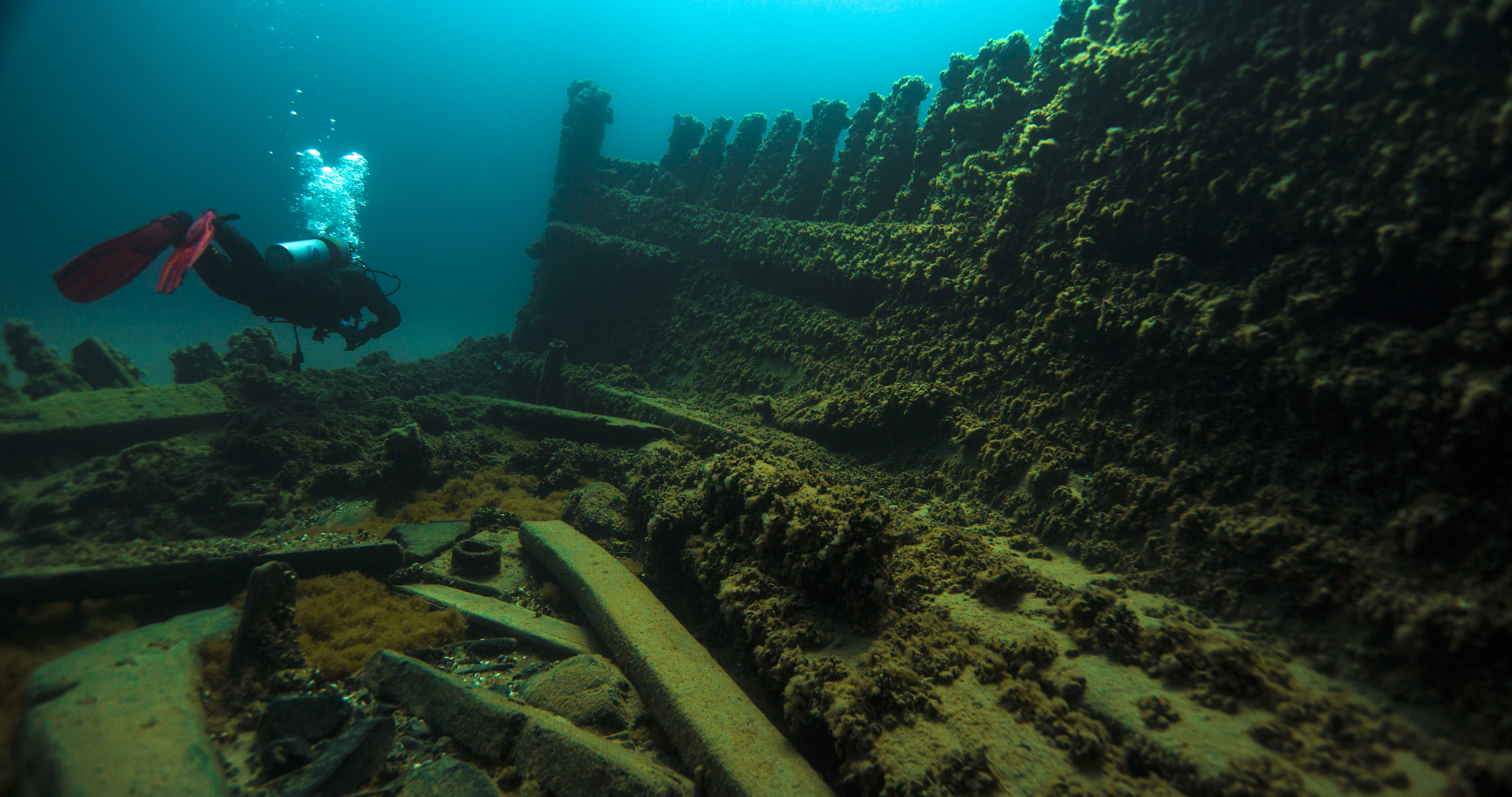
The Singapore-registered container ship GFS Pride was struck by an unknown projectile on Tuesday (10/13) while transiting the Strait of Hormuz, caught fire and later sank, according to Singapore's Maritime and Port Authority. All 21 crew members were safely evacuated before the vessel went down.
Iran's state media, Press TV, claimed the ship hit a sea mine on an unauthorized route — a claim maritime experts doubt, favoring a drone strike. The naval arm of Iran's Islamic Revolutionary Guard Corps (IRGC) even released footage of the vessel and accused it of carrying 2,500 containers of contraband.
The second vessel, the Antigua and Barbuda-flagged Cape Dao, sank on Wednesday (10/14) according to data from the International Maritime Organization (IMO) — after first being struck by projectiles on September 23. One Indian crew member was killed in the attack. The ship was carrying about 170,000 tons of coal from the United Arab Emirates to India.
Unmatched Escalation Since the War Began
According to IMO data, the GFS Pride and the Cape Dao are only the second and third vessels to sink in the Middle East since the US–Iran war erupted in February 2026. Both were the first sinkings in months.
Attacks on merchant vessels around the Strait of Hormuz have surged in recent weeks. Maritime-intelligence firm Windward AI recorded 12 attacks on commercial ships in the past week alone — the highest since the war began. About two dozen ships have been hit since the start of October, more than in all of September.
The attacks come as the US military escorts Gulf oil through the strait while bottling up Iranian oil exports via a naval blockade. Iran keeps ramping up attacks to disrupt the US operation, but ships rarely sink.
A day earlier, US President Donald Trump claimed the US Navy had total control of the strait. IRGC Navy commander Ali Azmaei rejected the claim: 'If the Americans want to see whether the Strait of Hormuz is open or closed, they should enter the arena. We will deal with offenders, and we will not mince words.'
Oil Prices Swing
The shipping disruption hit energy markets directly. Brent crude fell $1.64, or 1.6 percent, to $104.42 a barrel in Thursday morning trade, while US WTI dropped to $94.11 a barrel — after WTI had touched a three-week high following a Houthi attack on Saudi Aramco headquarters.
Iran says new tactics against ships in the strait will keep oil prices high. Washington is reportedly weighing easing sanctions on 'shadow fleet' vessels carrying Russian, Iranian and Venezuelan oil.
Analysts say the surge in attacks on commercial shipping — the highest since the war began — has become the biggest new risk to global energy supply.