
Detected in the Atmospheres of Jakarta, Banten, and West Java
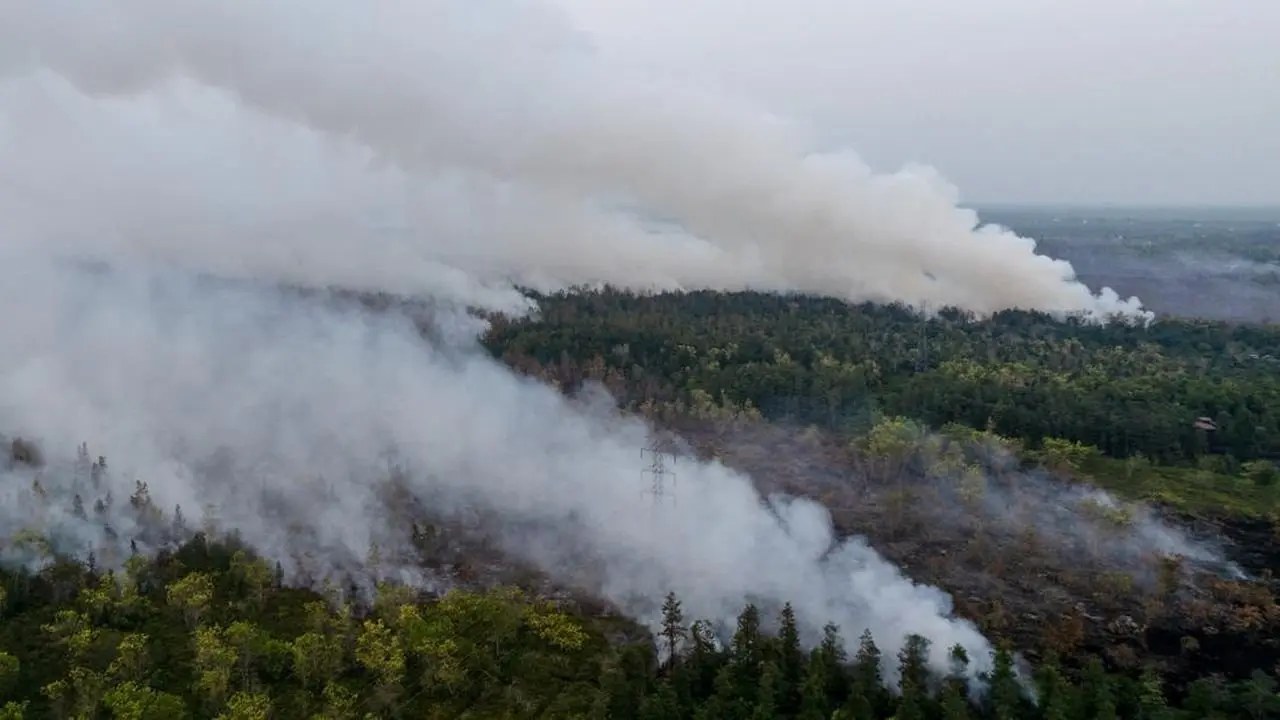
Indonesia's Meteorology, Climatology, and Geophysics Agency (BMKG) is monitoring the spread of forest and land fire (karhutla) smoke that has reached the Jakarta area. Based on smoke-spread imagery on Friday (16/10/2026) from 08:00 to 13:00 Western Indonesia Time, smoke was detected in the atmospheres of Jakarta, Banten, and West Java.
BMKG Secretary-General Guswanto said the smoke heading toward Java originates from areas around Sumatra and Kalimantan. He noted that the presence of smoke over Jakarta was only detected on Friday — satellite imagery from the previous day showed no smoke reaching the capital.
BMKG monitoring shows the smoke over Banten, Jakarta, and West Java moving toward the southeast to southwest, following wind dynamics blowing from the east to southeast.
BMKG: Not Necessarily Reaching the Ground
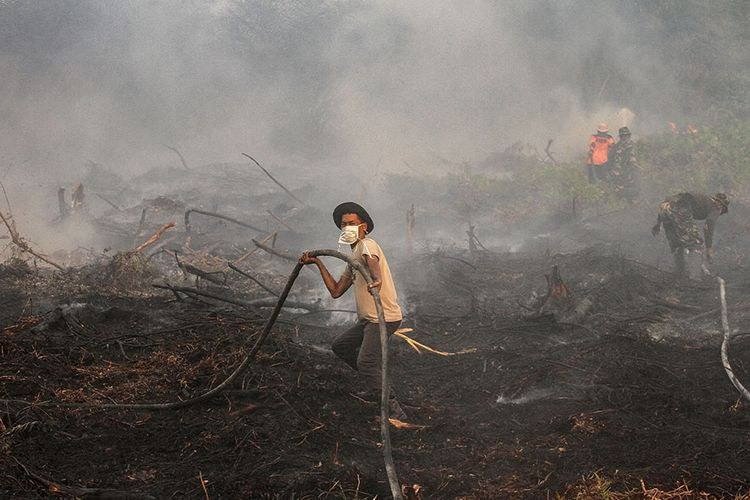
Although the spread has reached several parts of Java, BMKG has not confirmed whether it has affected the air quality breathed by residents. Satellite imagery shows the presence of smoke in the atmosphere, not the concentration of pollutants at the surface.
Alpon Sepriando, head of BMKG's Satellite Imagery Analysis and Lightning Detection Team, explained that horizontally the smoke has reached the Jakarta area, but vertically the particles remain in the upper atmosphere. The smoke could descend in thin concentrations if wind conditions weaken.
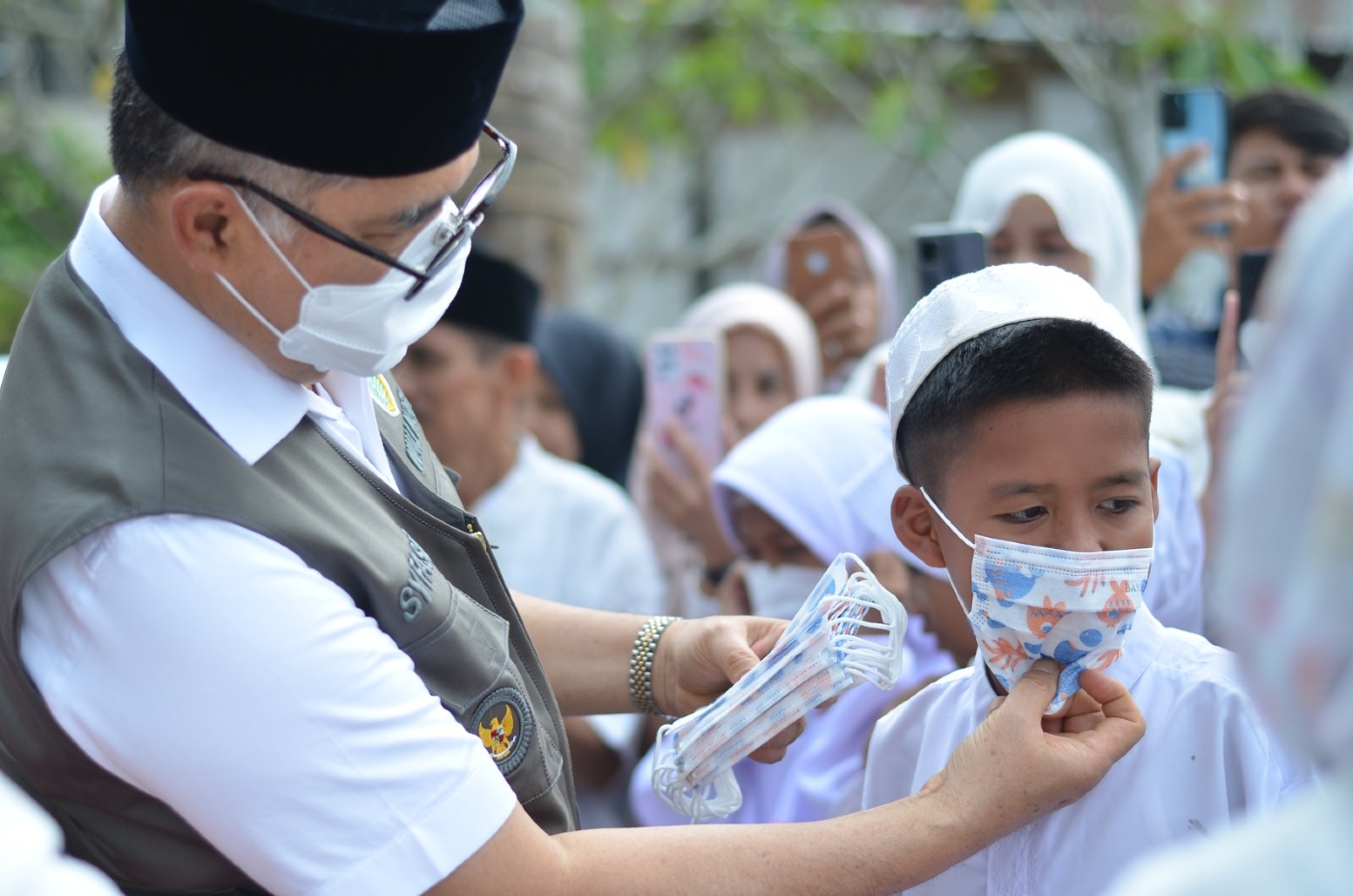
Guswanto stressed that public precautions should be anticipatory. He urged residents to monitor air quality through BMKG information, the local environment agency, or air-quality monitoring apps, and to reduce outdoor activities if air quality deteriorates to unhealthy levels.
Cross-Border Smoke, Beware of PM2.5
This episode of karhutla smoke spread crosses administrative and even national boundaries. BMKG detected smoke movement from Sumatra and Kalimantan toward the Malay Peninsula and Singapore, while smoke from Papua New Guinea was observed drifting toward South Papua.
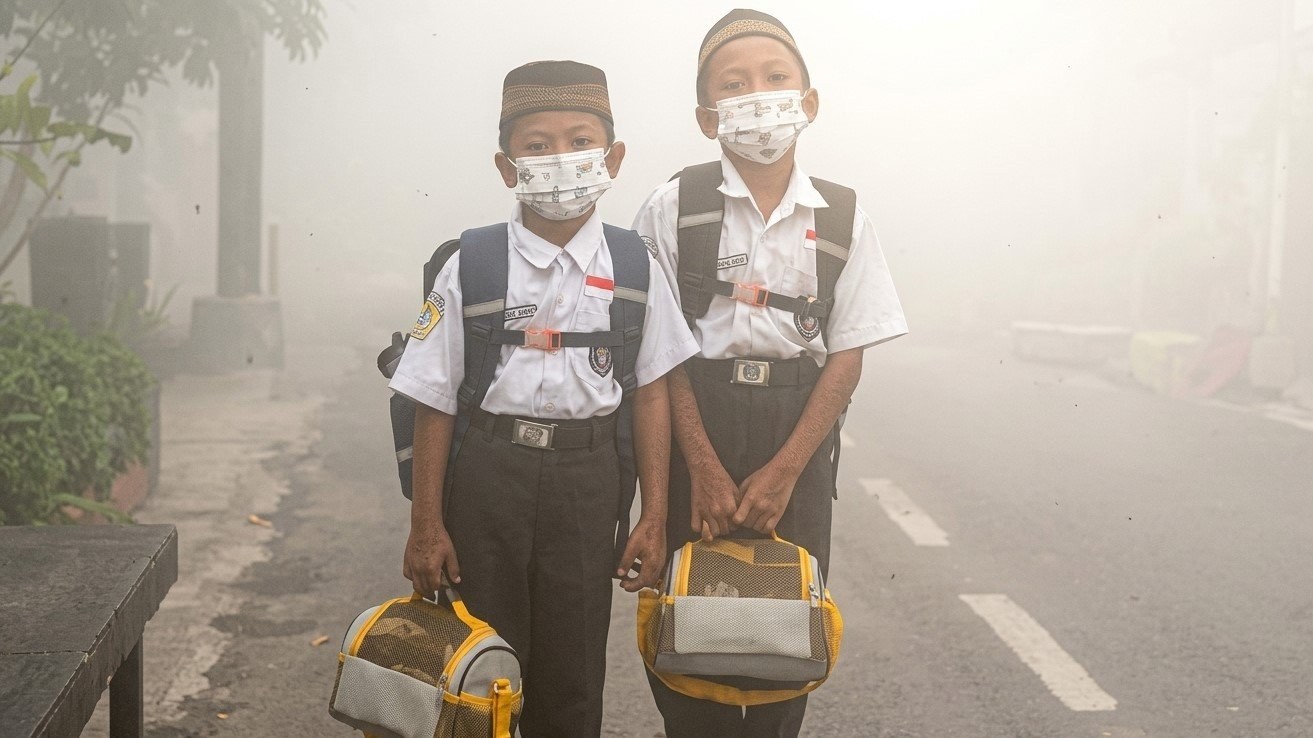
In general, smoke from forest and land fires can contain fine particles such as PM2.5 and PM10 as well as carbon monoxide (CO). Its content depends on the materials burned and combustion conditions, so information on chemical content and pollutant concentrations requires additional measurement and analysis.
BMKG will continue monitoring the direction of smoke movement, particularly to determine whether its concentration is increasing at Jakarta's surface or merely passing through the upper atmosphere.





No comments yet. Be the first!