
Jambi Worst in the World, Pekanbaru Fourth
Jambi City recorded the world's worst air quality on Thursday (15/10/2026). Real-time AQI data at 12:12 PM WIB (Western Indonesian Time) showed a score of 269, categorized as "Severe" — the highest among all monitored cities worldwide.
Jambi's poor air quality is not isolated. Pekanbaru followed in fourth place globally with an AQI of 186, categorized as "Unhealthy". Other Indonesian cities entering the global list include Batam (169), Martapura (161), Sampit (151), Pontianak (142), and Palangka Raya (141).
All of North Sumatra Engulfed in Smoke
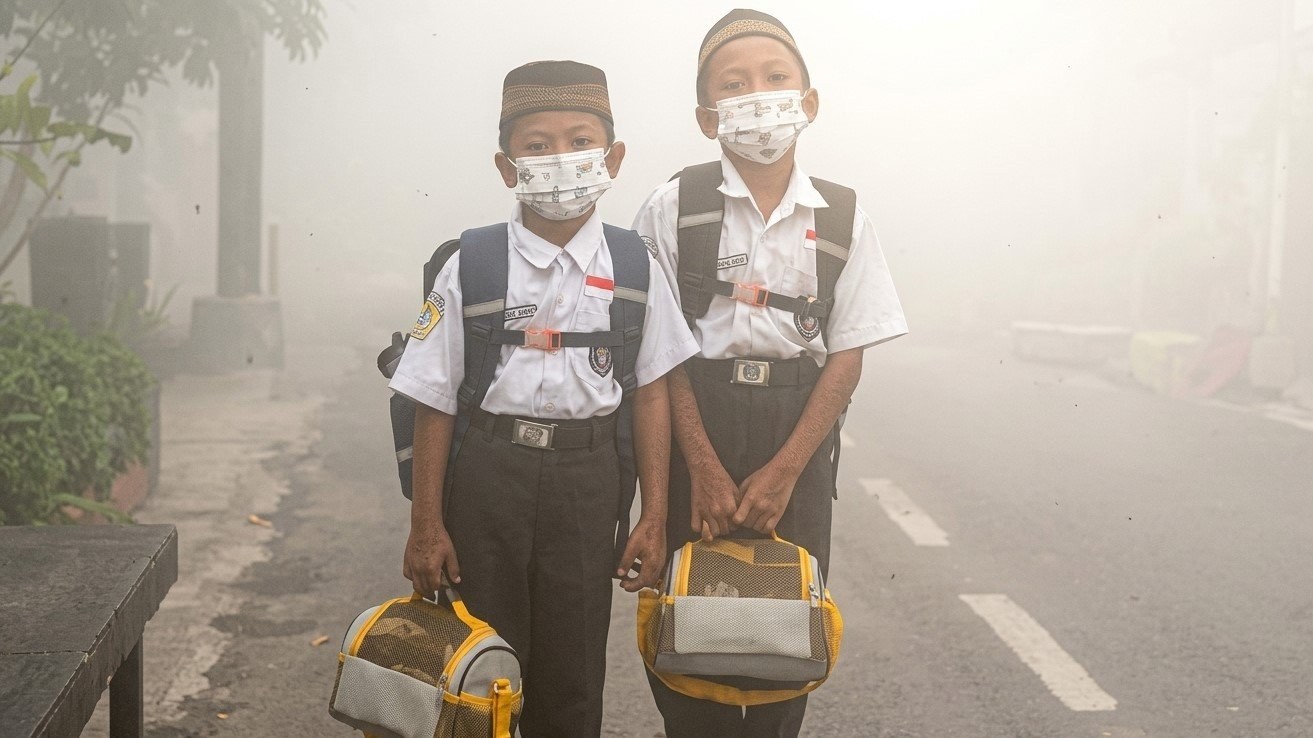
Forest and land fires (Karhutla) in several Sumatra provinces caused thick smoke to be carried by air mass movements northward. All areas of North Sumatra are covered in smoke, including Medan City and the Lake Toba region, which is no longer visible from a distance.
Visibility in several points of North Sumatra is only 1–4 km. The Meteorology, Climatology and Geophysics Agency (BMKG) recorded PM2.5 concentration in Medan City reaching 116.3 micrograms per cubic meter on Wednesday (14/10) at 10:00 AM WIB (Western Indonesian Time) — more than double the national ambient air quality standard of 55 micrograms per cubic meter. Satellite imagery showed no hot spots in North Sumatra, confirming the smoke originated from other areas in Sumatra.
Circular Letter and Mask Distribution
The North Sumatra Provincial Government (Pemprov Sumut) responded by issuing Circular Letter Number 400.7.23/XXX/X/2026 concerning Alertness to Facing Potential Increases in Forest and Land Fires (Karhutla), Air Pollution, and Climate-Sensitive Diseases. District/city governments are asked to increase preparedness, prevention, and control of diseases caused by air pollution and climate change — including distributing masks capable of filtering PM2.5 fine particles to the public.
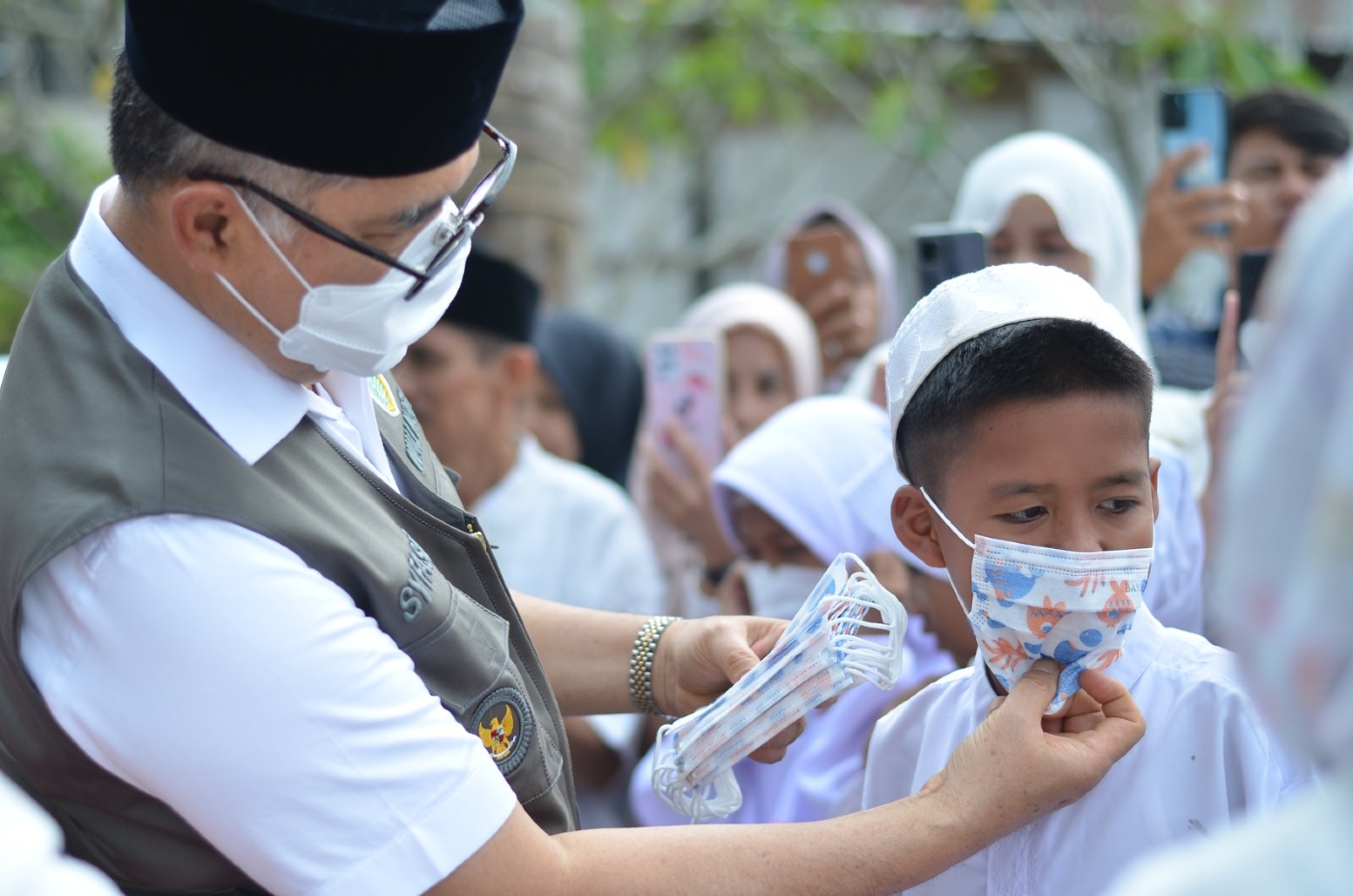
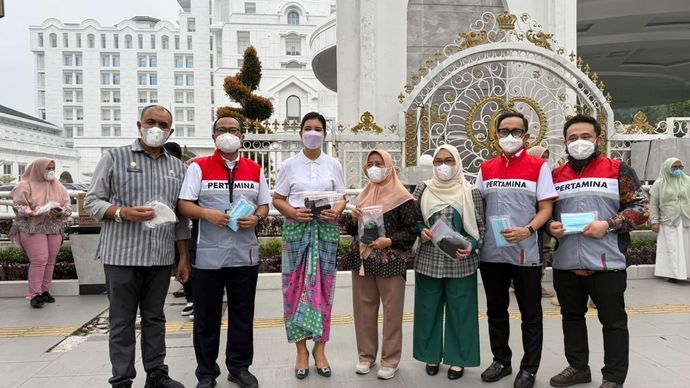
Head of the North Sumatra Health Office (Kadinkes Sumut) Muhammad Faisal Hasrimy stated, "PM2.5 exposure is very dangerous; it can enter deep into the lungs. The public must be vigilant about respiratory problems." In Medan, Pertamina Patra Niaga Regional Sumbagut distributed 2,200 masks to residents on Thursday (15/10), attended by the Head of the North Sumatra Family Welfare Movement Team (TP PKK Sumut) Kahiyang Ayu, Kadinkes Sumut, and the Head of the North Sumatra Regional Disaster Management Agency (BPBD Sumut).
277 Thousand ISPA Cases, National Response Strengthened
The health impacts are already evident. The Ministry of Health (Kemenkes) recorded 277,075 cumulative Acute Respiratory Tract Infection (ISPA) cases until October 12, 2026, in seven provinces and 63 districts/cities. Kemenkes spokesperson Widyawati explained, "Based on data until October 12, 2026, 277,075 cumulative ISPA cases were recorded, with 62,400 cases (22.5%) among children aged 0-5 years."
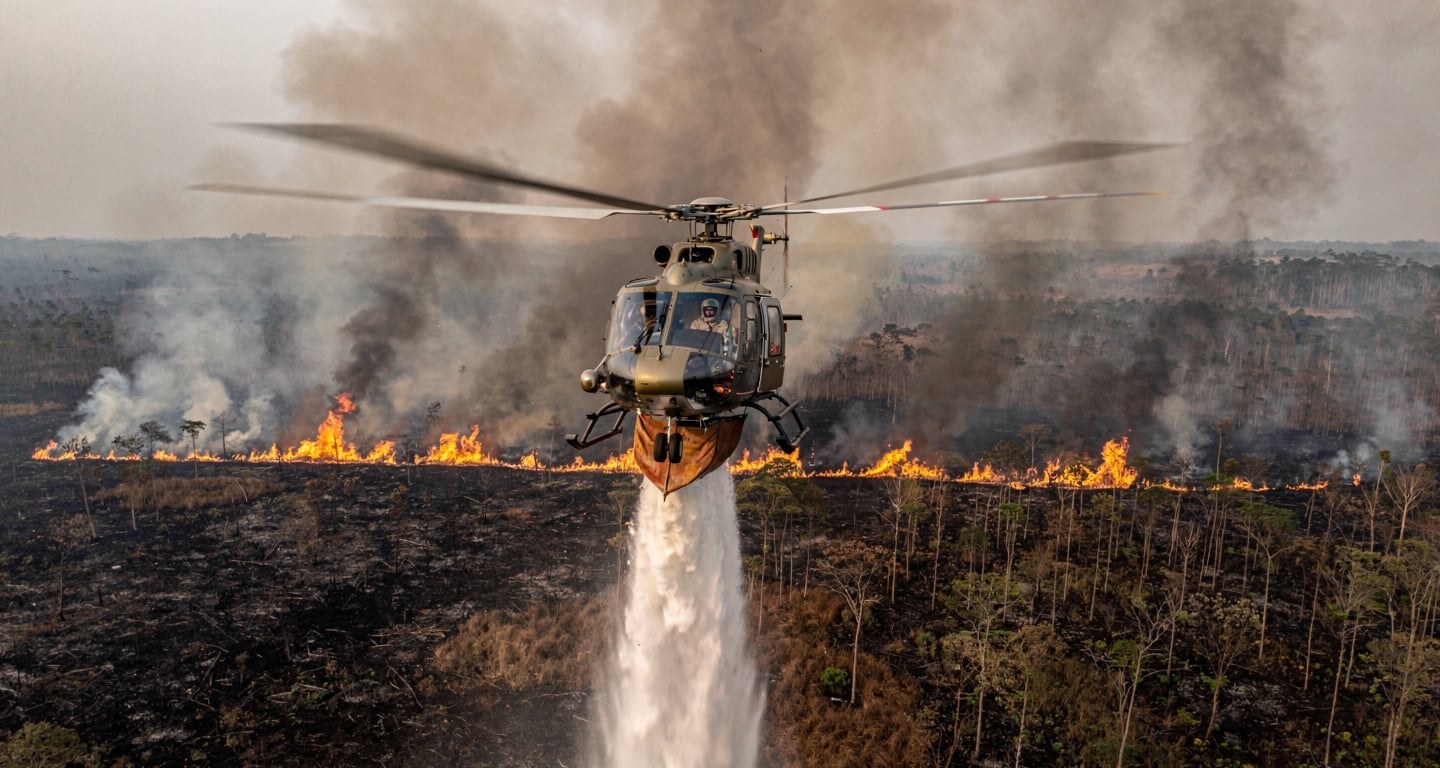
The government deployed 2,106 health personnel, distributed over 2.8 million masks, 280 oxygen concentrators, and medicines to affected areas. A total of 1,691 community health centers (puskesmas) and 36 referral hospitals were put on standby, while Weather Modification Operations continue to be optimized to trigger rain. A limited meeting on October 12 led by President Prabowo noted that 60,177 combined personnel from the Indonesian National Armed Forces (TNI), Indonesian National Police (Polri), Ministry of Forestry, local governments, and volunteers were deployed to extinguish forest and land fires (Karhutla).




No comments yet. Be the first!