
Brussels Clashes, Limoges City Hall Tower Set on Fire
Massive protest wave once again rocked France on Saturday (10/17/2026). Hundreds of thousands of people — from students to former yellow vest movement members — took to the streets in dozens of cities to protest the high cost of living and deteriorating public services. The French government estimated 550,000 participants, while the CGT union put the number at 800,000.
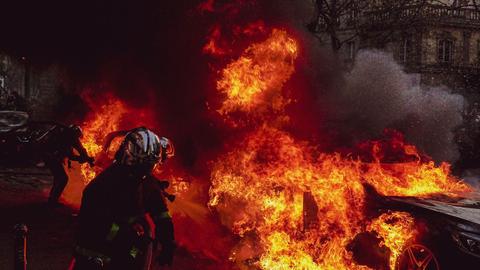
What began as peaceful protests turned violent in several cities. The Limoges city hall tower collapsed after being set on fire by rioters, the Lyon tourism office was burned, and in Paris crowds tried to break into Galeries Lafayette and looted stores including a Lacoste outlet and other boutiques. Around 1,200 people were arrested. Prime Minister Sebastien Lecornu and President Emmanuel Macron condemned the violence.
Outbreak Spreads to Belgium, Italy, Portugal, Albania
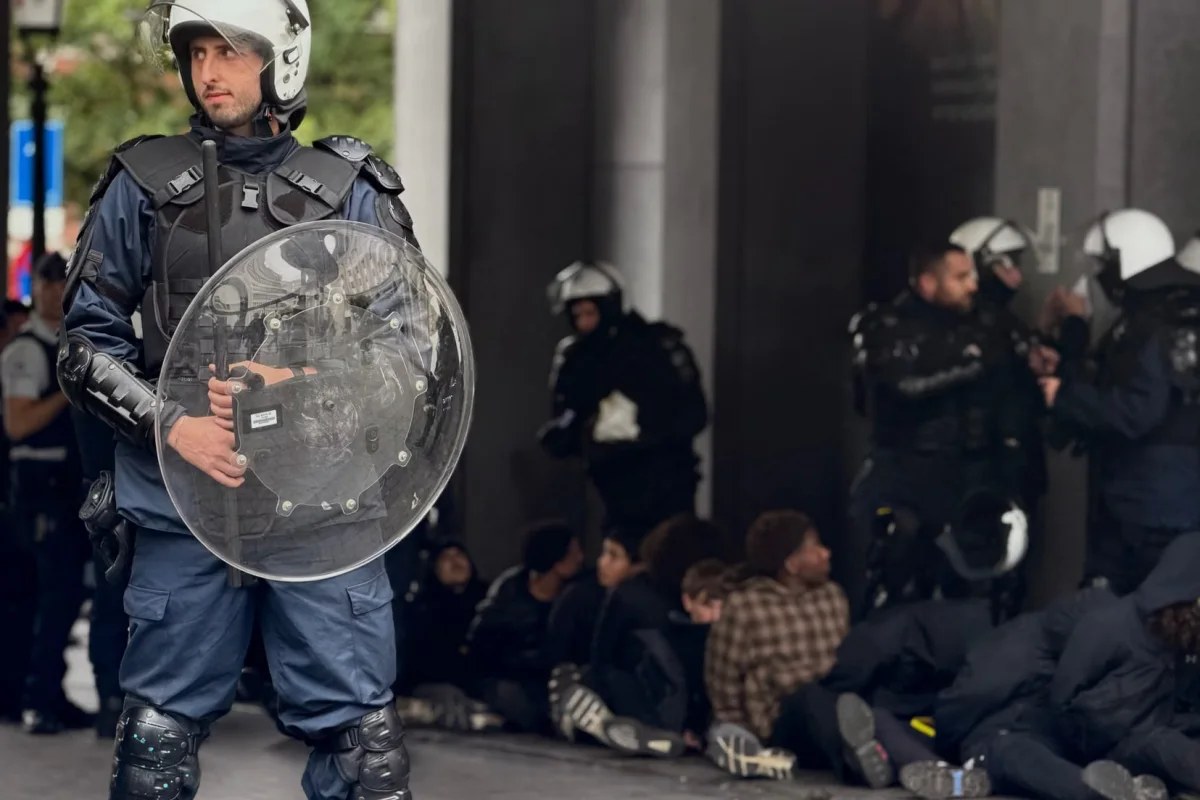
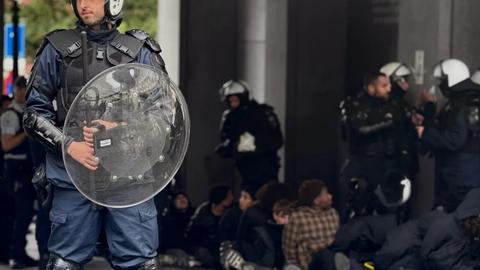
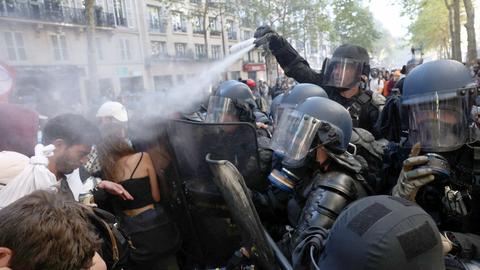
The wave of discontent has now spread beyond France's borders. In Brussels, Belgium, hundreds of young people — some masked and chanting anti-fascist slogans — clashed with security forces. Police fired tear gas and water cannons at the crowd, and witnesses reported a car being flipped by demonstrators. Belgian Interior Minister Bernard Quintin said the situation was no longer an ordinary protest and vowed to restore order.
Similar action was staged by students in Liège over rising education costs. In Italy, a demonstration against the cost of living in Milan ended in clashes with tear gas fired near the cathedral square, while in Bologna officers used water cannons and made arrests. In Lisbon, Portugal, tens of thousands took to the streets to protest expensive housing — a problem that has worsened since property prices soared in 2017. Meanwhile in Albania, protests entered their fifth day with police using rubber bullets, and crowds demanding Prime Minister Edi Rama resign.
No comments yet. Be the first!