
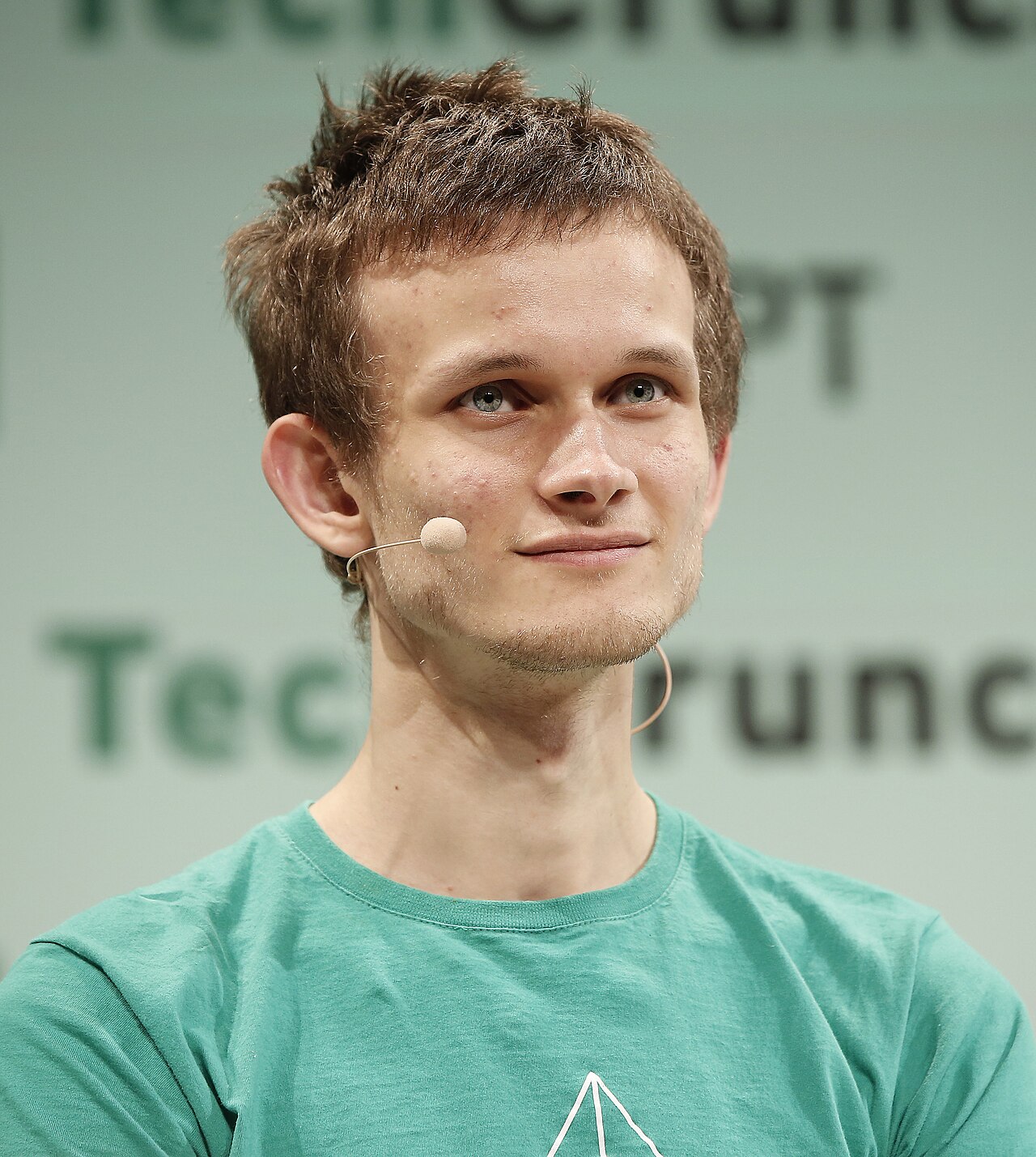
'Paranoid Mode' for AI Agents
Vitalik Buterin, a co-founder of Ethereum, has launched an open-source privacy system for artificial intelligence (AI) agents. The system combines Tor routing, private payments via zkAPI, and local prompt rewriting to reduce the exposure of user information when accessing large language models.
Each AI conversation is assigned a separate Tor circuit, user requests are masked with random cover traffic, and prompts are rewritten by a local language model before they reach an external AI provider. Buterin called the setup a "paranoid mode" for his agent harness named "pi".
Buterin announced the system through an X post on October 16, 2026, and has published the related code on GitHub for the community to test. In his post he summarized the architecture as "Wrapped zkAPI + Tor + extra cover traffic + local LLM prompt rewriting".
How It Works: Tor, zkAPI, and a Local LLM
The system runs through a daemon compatible with the OpenAI API, so its privacy features operate as an intermediate layer between the AI agent and the language-model service. Anonymous payments use zkAPI, while sandbox restrictions route all network activity through Tor.
Buterin acknowledged the setup is far from perfect. He said the system introduces substantial response delays and remains vulnerable to certain forms of coordinated traffic analysis. Even so, he considers the configuration increasingly usable.
He also expects zkAPI deposit and withdrawal costs to become cheaper on the Ethereum mainnet, although no deployment date has been confirmed.
Ethereum Can Run Without Buterin
The privacy-system launch aligns with Buterin's views on decentralization. At the Network State Conference 2026 in Singapore on October 9, he stressed that Ethereum should be able to progress without his direct involvement, as more community members take on responsibility for the protocol's core values.
Buterin described a shift toward a widely distributed leadership model across the Ethereum community. He also linked that shift to technology: AI, he said, could speed up the "Lean Ethereum" roadmap, an ambitious overhaul meant to make the protocol more efficient.
In May, Buterin also said the Ethereum Foundation (EF) should become smaller and concentrate on core properties such as censorship resistance, open-source development, privacy, and security — while his own personal influence would diminish.
Who Is Vitalik Buterin
Vitalik Buterin is a programmer born in Russia in 1994 and raised in Canada. He is known as the author of the Ethereum whitepaper in 2013 and one of the eight co-founders of Ethereum, the smart-contract platform now the second-largest cryptocurrency after Bitcoin.
Before Ethereum, Buterin wrote about Bitcoin and co-founded Bitcoin Magazine. His role in the Ethereum ecosystem spans research, technical proposals, and public discussion — he can influence the ecosystem's priorities but has no individual authority to change Ethereum's rules.




No comments yet. Be the first!