

IHSG Sinks Deeper Into the 5,800s
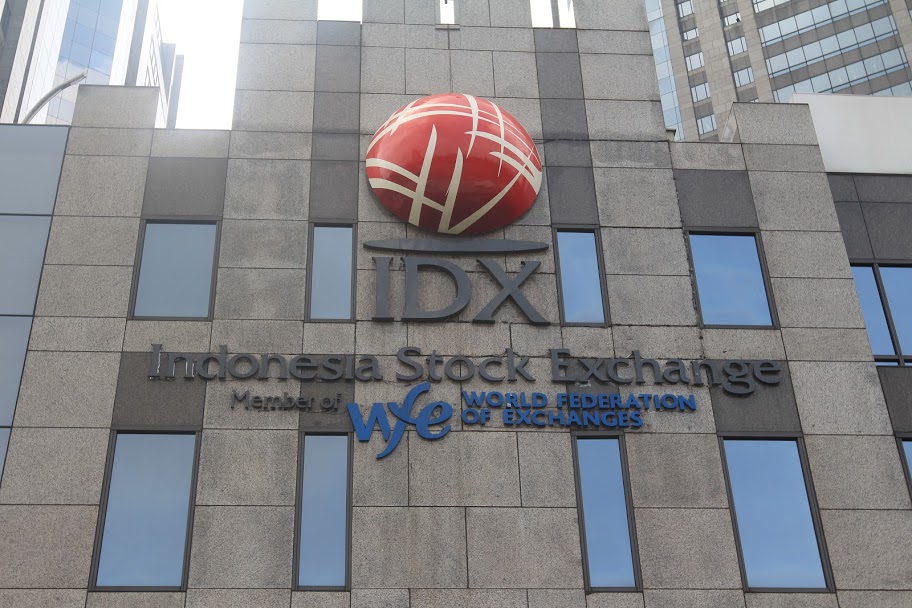
The Indonesia Composite Index (IHSG) of the Indonesia Stock Exchange (IDX) closed lower in Thursday's (15/10/2026) trading. The index fell 79.24 points, or 1.33 percent, to 5,863.78. During the session, the IHSG opened at 5,917.13, touched an intraday low of 5,804.21, and ended the day with only a limited recovery.
Selling pressure was broad-based. A total of 567 stocks declined, while only 108 advanced and 120 were unchanged. Transaction value reached Rp13.52 trillion on volume of 35.25 billion shares. All 11 sectoral indices ended in the red, with the consumer cyclicals sector falling the most at 3.20 percent, followed by energy, down 3.00 percent.
With this close, the IHSG has moved further away from the psychological 6,000 level. The index actually left that level behind at the start of the week, closing at 5,936 on Monday (12/10/2026). A rebound attempt on Wednesday (14/10/2026) to 5,943 failed, and Thursday's session deepened the correction.
Hot US Inflation the Main Culprit
The sharp correction was triggered by US inflation data that came in above market expectations. The US Bureau of Labor Statistics (BLS) reported that the consumer price index (CPI) for September 2026 rose 3.7 percent year on year, up from 3.4 percent in August 2026 and above the market's 3.6 percent forecast. Core inflation stood at 2.6 percent.
The figures reinforced expectations that the US central bank, the Federal Reserve (Fed), will keep monetary policy tight and may even raise its benchmark rate before year-end. MNC Sekuritas Head of Retail Research Herditya Wicaksana said the IHSG's correction tracked global markets and most Asian bourses following the US inflation release.
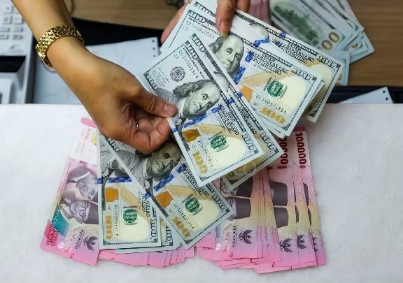
He expects the Fed's hawkish stance to push US Treasury yields, still above 5 percent, higher. That could accelerate foreign capital outflows from emerging markets, including Indonesia. BRI Danareksa Sekuritas analysts added that a stronger US dollar could pressure the rupiah and raise the risk of foreign fund outflows from developing markets.
In Line With Asia's Market Rout
The domestic market's fall mirrored a broad sell-off across Asian stock markets. South Korea's Kospi was the hardest hit in Asia, plunging 7.57 percent, followed by Japan's Nikkei, which sank 4.90 percent. The Shanghai Composite dropped 1.98 percent and Hong Kong's Hang Seng weakened 1.47 percent.
Beyond US inflation, analysts also flagged geopolitical escalation. Houthi threats against Saudi Arabian oil facilities could raise the risk of energy supply disruptions and oil price volatility. On the other hand, China's strengthening trade data, with a September trade surplus of US$133.53 billion, does support demand for Indonesian commodities, although its impact on the IHSG was muted by negative global sentiment.
Technically, analysts say the IHSG's decline has broken through support levels, confirming further downside pressure after the index failed to hold above 6,000. Investors are now awaiting further economic data and the Fed's policy direction to decide their next moves in the domestic capital market.



No comments yet. Be the first!