
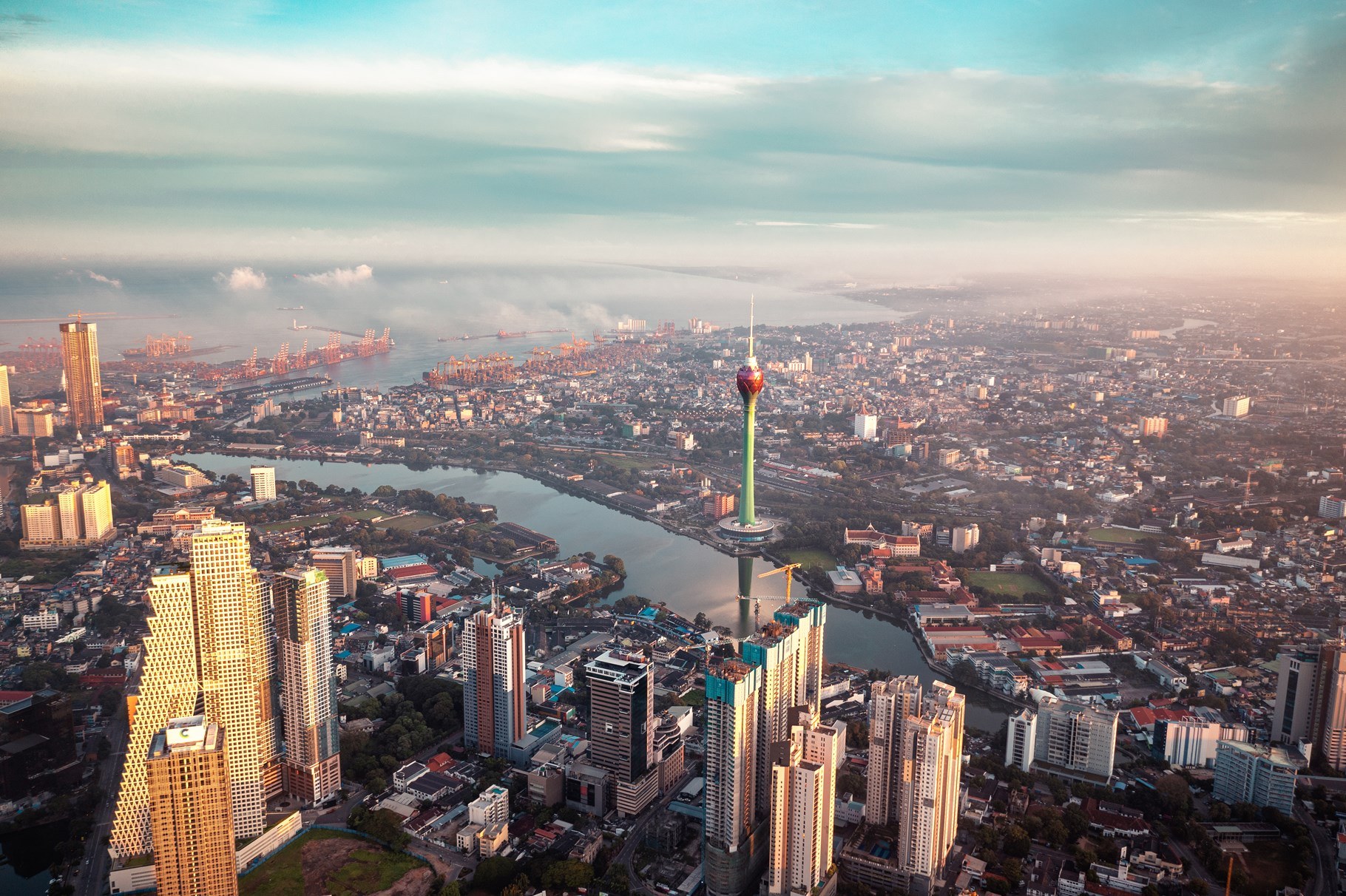
Entire Sri Lanka Without Power for Over Two Hours
Sri Lanka suffered a nationwide electricity blackout on Saturday (17/10/2026) after the national power grid failed. The whole country was disconnected from the grid for more than two hours, with no certainty on when supplies would be restored.
State-run Electricity Distribution Lanka (EDL) said engineers were working to repair the damage affecting the entire grid. Energy Minister Anura Karunathilaka said authorities hoped to restore supplies stage by stage.
"We request rooftop solar system owners to disconnect their systems until further instructions in order to support the restoration efforts," Karunathilaka said in a brief statement. The blackout also temporarily halted operations at the Ambatale and Biyagama water treatment plants, disrupting water supplies and mobile connectivity.
Excess Solar Power Suspected as the Trigger
Officials suspect the grid failure was triggered by solar power generation exceeding electricity consumption. Sri Lanka has more than 3,000 megawatts of installed solar capacity, while daytime electricity demand ranges only from 2,000 to 2,500 megawatts.
Tax incentives encouraging residents to switch to solar and sell their surplus electricity to the grid created a supply-demand imbalance difficult for the utility provider to manage. The National System Operator even asked rooftop solar panel owners to keep their systems disconnected until the power system was stabilised.
A similar incident struck the entire grid in February 2025, when solar generation exceeded consumption on a bright, sunny Sunday. Restoration then took more than six hours. Colombo Telegraph called the repeat failure a national-security wake-up call, questioning whether the risk had been treated as a standing contingency after the February 2025 incident.
Ambitious 388 Percent Solar Target Within Three Years
Ironically, the blackout came amid the government's ambition to expand solar's role. The government targets solar generation capacity of nearly 4,400 megawatts within three years — up 388 percent from 2024.
Several reports also said all three units of the Norochcholai Lakvijaya coal power plant had shut down, while the energy minister said a breakdown at the Upper Kotmale hydropower plant in the central hill country was suspected to have contributed. Technical investigations are ongoing.
For the island nation of around 22 million people that has just recovered from its worst economic crisis in decades, a nationwide blackout is a fresh blow. Sri Lanka once endured months-long power cuts in 2022, when the economic crisis forced power plants to limit supplies to up to 13 hours a day.





No comments yet. Be the first!