
Subsidy Burden Nears Rp100 Trillion
Coordinating Minister for Downstreaming and Energy Transition and Energy and Mineral Resources (ESDM) Minister Bahlil Lahadalia revealed that Indonesia's energy subsidy burden has ballooned to nearly Rp100 trillion. The trigger: the Indonesian Crude Price (ICP) now sitting in the USD90 to USD100 per barrel range.
Bahlil made the remarks at the inauguration of the PT Energi Nusantara Perkasa LPG refinery in Karawang, West Java, on Thursday (15/10/2026). He explained that when the ICP was still at USD70 per barrel, the energy subsidy burden was around Rp87 trillion. Once oil prices climb into the higher range, subsidy needs swell and weigh on the state's fiscal space.
Bahlil said the situation shows the huge challenge Indonesia faces in safeguarding energy security. He stressed the government remains committed to holding subsidized fuel prices steady, to protect low-income citizens and the national logistics sector.
8 Million Tons of LPG Imported per Year
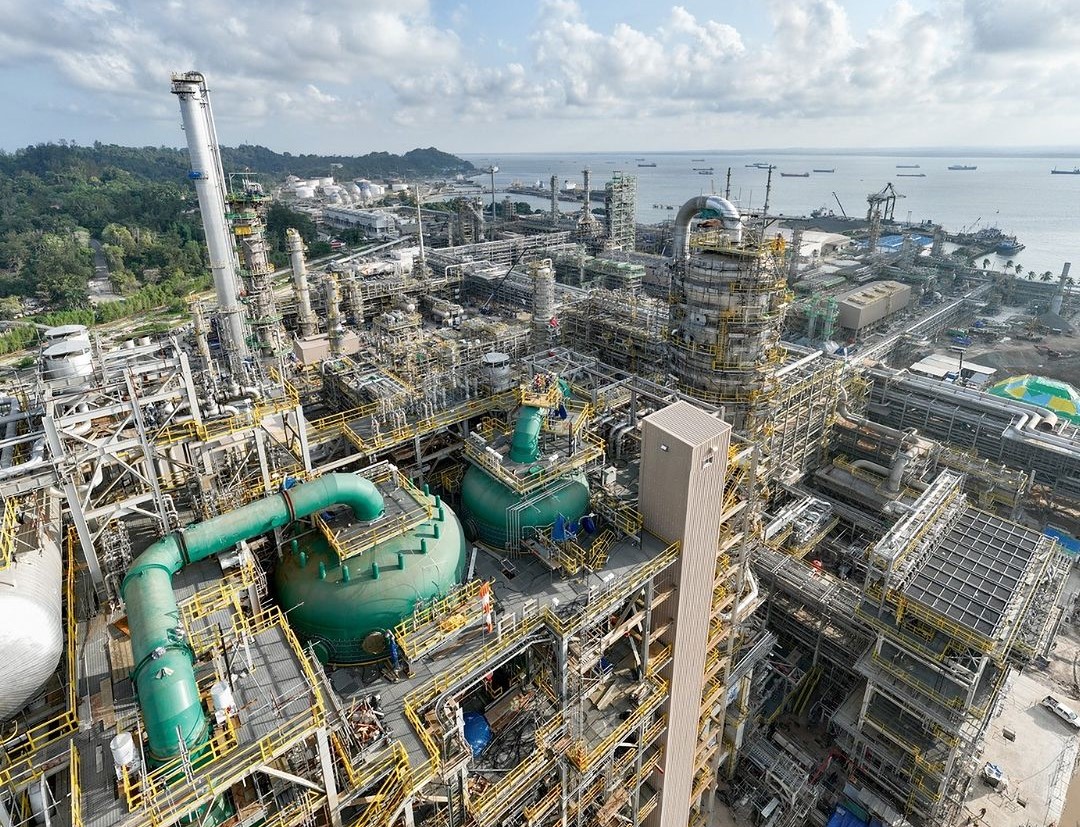
Bahlil also highlighted Indonesia's dependence on imported liquefied petroleum gas (LPG). National LPG consumption reaches about 8.5 million tons per year, while domestic production capacity is only around 1.8 million tons per year. As a result, Indonesia imports around 7 to 8 million tons of LPG each year.
If petrochemical industry demand in Cilegon is factored in, total needs could even reach 11 to 12 million tons per year. Meanwhile, Indonesia still exports around 30 percent of its gas production, including in the form of liquefied natural gas (LNG).
Push to Optimize Domestic Gas
According to Bahlil, global geopolitical uncertainty over nearly the past three years has magnified energy supply and price risks. Tensions in the Middle East and the Russia-Ukraine war have pushed many countries to race to secure energy supplies from their own domestic sources.
The government is therefore pushing to optimize national gas potential to curb foreign-exchange outflows and the subsidy burden. The strategy is seen as vital so that Indonesia's energy security does not keep depending on imports while world oil prices stay high.
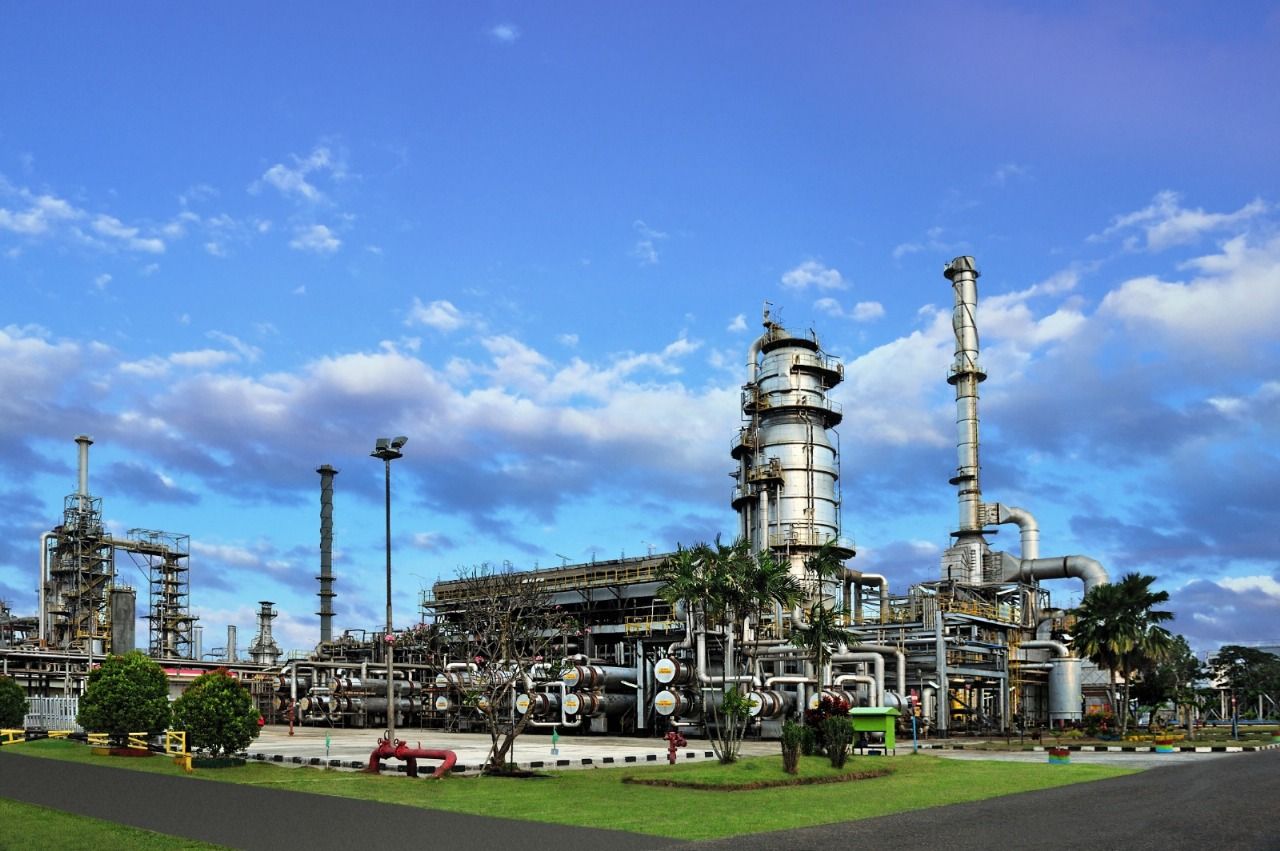
The newly inaugurated LPG refinery in Karawang is expected to add domestic supply and reduce import dependence. Bahlil said optimizing domestic gas must take into account the characteristics of each gas type so the benefits are maximized.


No comments yet. Be the first!