
Trump Weighs Easing Shadow Fleet Sanctions
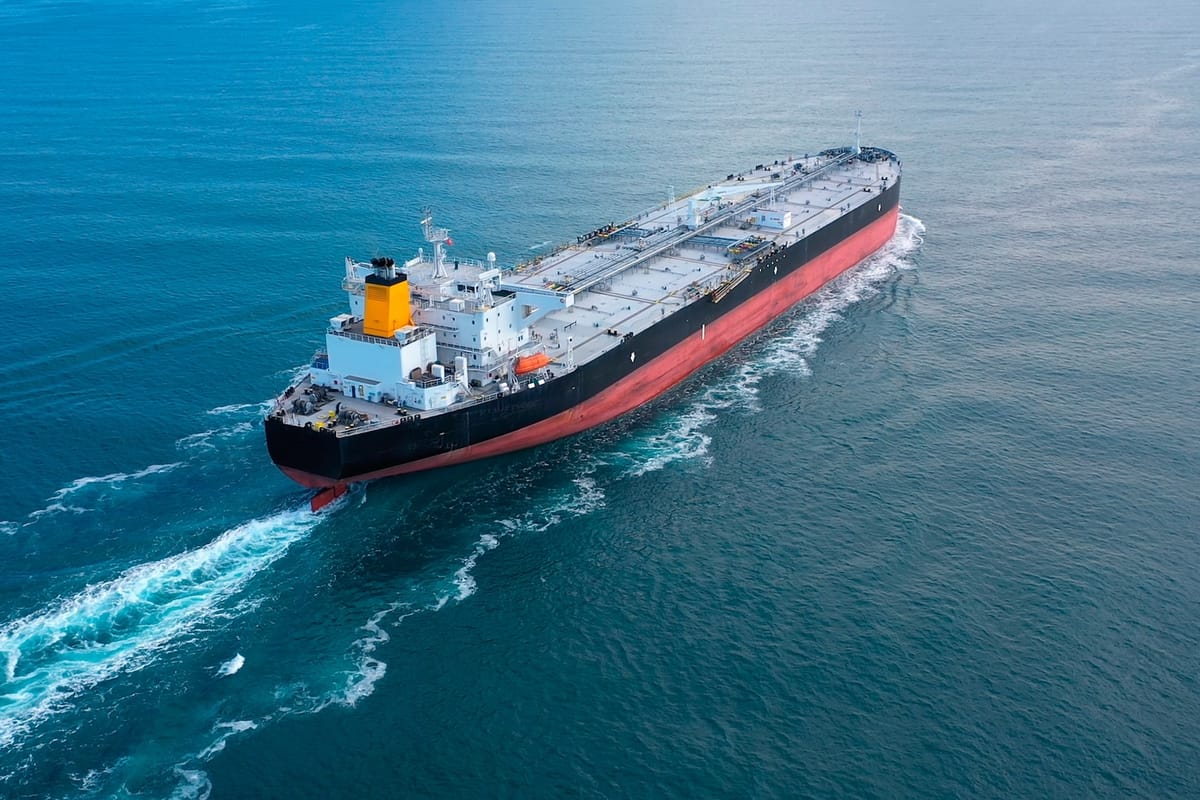
The administration of US President Donald Trump is considering easing sanctions on so-called shadow fleet vessels — ships that have transported oil and petroleum products from countries including Russia, Iran, and Venezuela. The aim is to cut record-high global tanker freight rates, a US official said on Wednesday (14/10/2026), according to Reuters.
The discussions come just days after Trump temporarily lifted sanctions on Russian diesel fuel. The move was met with a torrent of criticism from Ukrainian President Volodymyr Zelensky, several European countries, and some Republican senators in the US Senate, who called it a gift to Russian President Vladimir Putin to keep funding his war in Ukraine.
Legal Oil Only, Treasury Permits Required
The talks center on the United States potentially allowing legal oil to flow on previously sanctioned vessels. That means crude or petroleum products not sanctioned by Washington, rather than Russian and Iranian oil which remain under punitive measures. The goal is to get more crude oil and refined products out of the Gulf region.
Companies seeking to use the sanctioned vessels would have to apply to the US Treasury Department. The US Department of Energy said any move to relieve sanctions on the shadow fleet would not help Russia move oil or oil products. US Energy Secretary Chris Wright raised the idea in a video message to the World Petroleum Congress in Riyadh this week, according to research group Energy Aspects, although Reuters could not obtain the full video or a transcript.
Oil Prices Fall Immediately
Markets reacted swiftly. Brent crude futures fell $2.28, or 2.2 percent, to $103.78 a barrel, while US West Texas Intermediate dropped $1.34, or 1.4 percent, to $93.75 a barrel in Thursday morning trading. PVM Oil analyst John Evans said the move could help lower freight rates and give diesel shipments more flexibility.
The decline was limited by geopolitical tensions: a projectile attack sank a ship near the Strait of Hormuz, Iran-backed Houthi forces kept up drone and missile strikes on Saudi Arabia, and Russia alleged Ukrainian strikes on two of its refineries, including the 400,000-barrel-per-day Ryazan plant.



No comments yet. Be the first!