

Mandatory Halal Certification Postponed by Two Years
The government has decided to postpone the implementation of the mandatory halal certification for businesses. The requirement, originally scheduled to take full effect on October 18, 2026, has been delayed to October 18, 2028.
The decision was announced by the Secretary of the Coordinating Ministry for Economic Affairs, Susiwijono Moegiarso, in Jakarta on Friday (16/10/2026). The postponement was implemented through an amendment to Government Regulation No. 42/2024 concerning the Implementation of Halal Product Certification.
The amendments target Articles 160 and 161 of Government Regulation 42/2024. The phrase "until or no later than October 17, 2026" is changed to "until or no later than October 17, 2028, or starting from October 18, 2028." Susiwijono explained that the extension of the phased implementation takes into account the readiness of the national halal ecosystem, evaluation results, and input from business and industry associations.
Deferred Product Categories
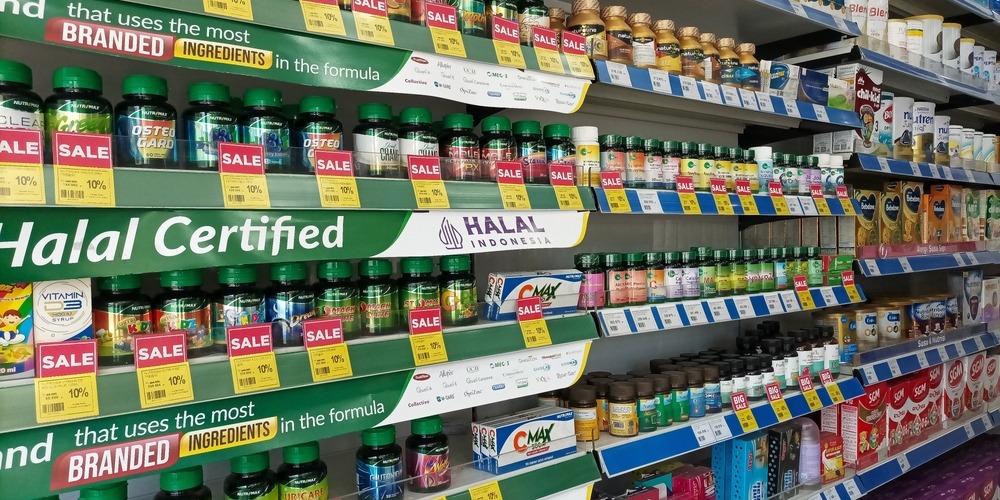
The extension of the halal certification deadline to October 2028 applies to several categories, including food, beverage, and slaughter-related services, excluding slaughter services; as well as food, beverage, and slaughter products, and slaughter services for micro and small enterprises, and foreign products.
In addition, the postponement also covers natural ingredient drugs, quasi-drugs, health supplements, cosmetics, chemical products, genetically engineered products, and a number of specific categories of consumer goods.
The government has also revoked BPJPH Regulation No. 4 of 2026 concerning the inspection of imported halal products. All amendments to the provisions in Government Regulation No. 42/2024 are currently awaiting official issuance.
Reversal of BPJPH Statement
This decision to postpone marks a reversal from the stance of the Halal Product Assurance Agency (BPJPH). BPJPH Head Ahmad Haikal Hasan stated on October 9, 2026, that the halal mandate would be implemented starting October 18, 2026, with no postponement.
Previously, Deputy Coordinating Minister for Economic Affairs Dradjad Hari Wibowo said that the implementation of the mandatory halal certification would be carried out in stages, taking into account the readiness of business actors and the BPJPH system. The government is also preparing a quota of 1.35 million Free Halal Certifications (SEHATI) in 2026 for micro and small enterprises.
LPPOM MUI Warmly Welcomes
The Food, Drugs, and Cosmetics Assessment Agency of the Indonesian Ulema Council (LPPOM MUI) welcomed the relaxation policy. LPPOM Director General Muti Arintawati stated that the additional two-year period is highly beneficial for businesses to prepare documentation and secure raw materials.
Nevertheless, LPPOM MUI urges businesses to obtain halal certification early on. Halal certification is considered essential for building consumer trust and represents a business's responsibility to uphold the rights of Muslim consumers.
With this postponement, food, beverage, cosmetics, and other related category business operators have until 17 October 2028 before the halal certification obligation is fully enforced starting 18 October 2028.





No comments yet. Be the first!