
Two Quakes Nine Minutes Apart
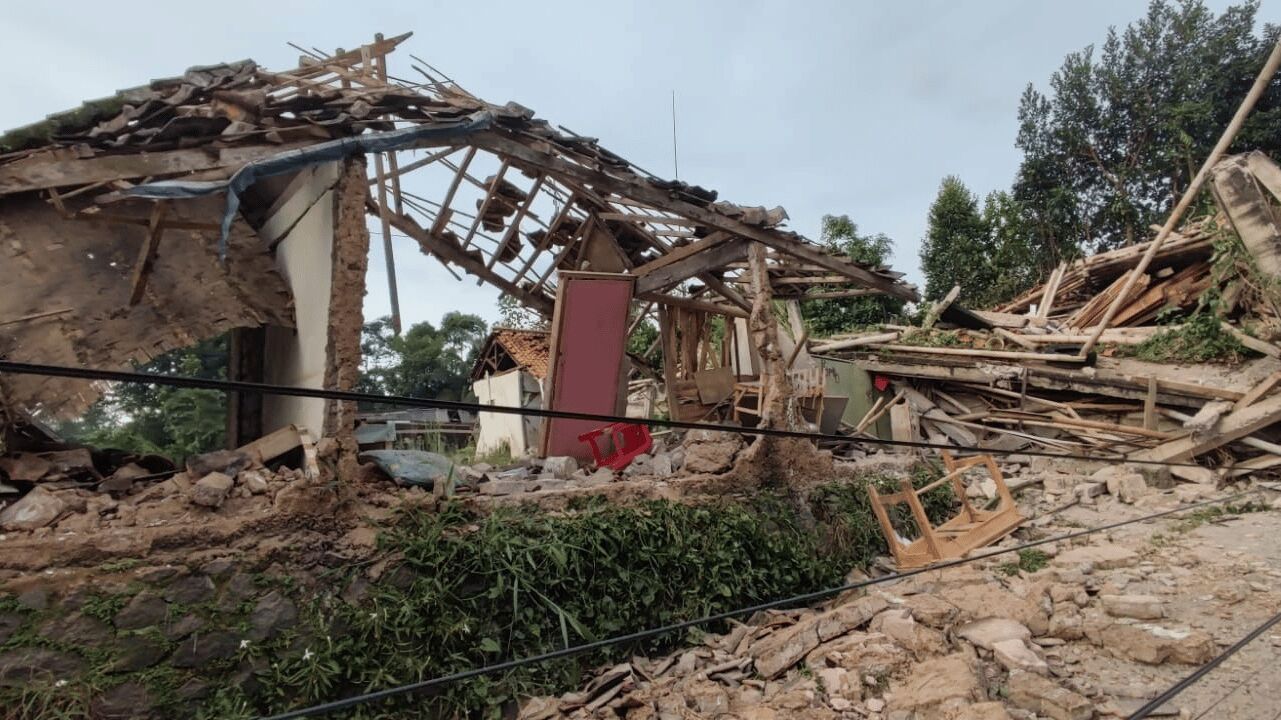
Two tectonic earthquakes struck Sukabumi and Bogor in West Java on Thursday (15/10/2026) afternoon. The magnitude 3.5 and 4.1 quakes were felt by residents across several areas, with the strongest intensity reaching IV MMI.
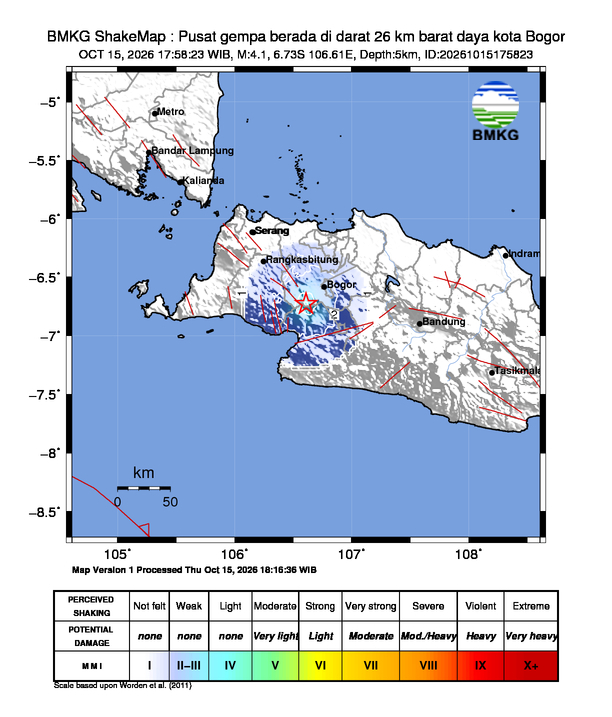
According to Indonesia's Meteorology, Climatology and Geophysics Agency (BMKG), the first quake hit at 5:49:43 p.m. local time with a magnitude of 3.5. Its epicenter was on land, about 25 kilometers north of Sukabumi Regency, at a depth of approximately 9 to 10 kilometers. The second quake followed at 5:58:23 p.m. with a magnitude of 4.1, its epicenter on land about 26 kilometers southwest of Bogor city, at a depth of just 5 kilometers.
BMKG: Active Fault Is the Cause
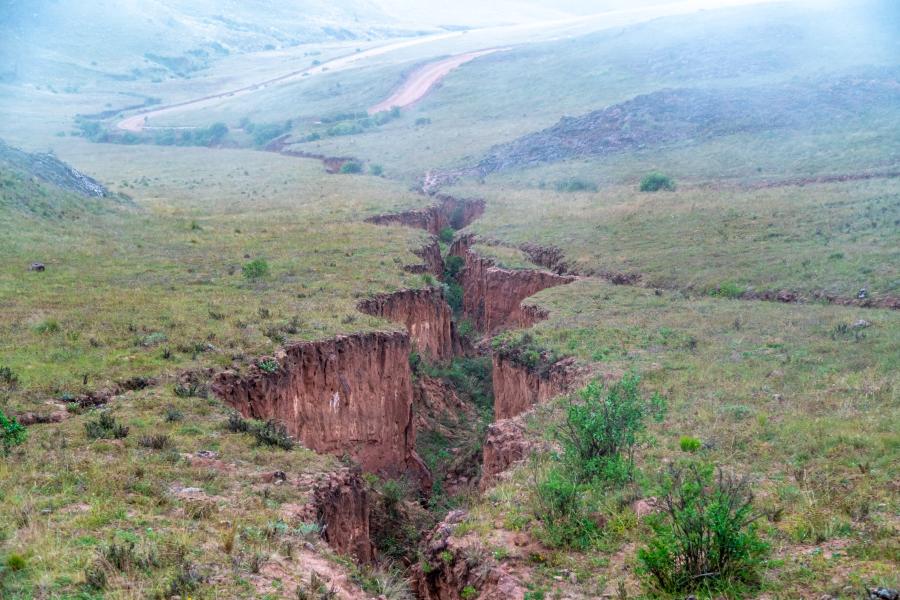
Acting Head of the BMKG Greater Region II office in Tangerang, Ana Oktavia Setiowati, said both quakes were shallow tremors triggered by active fault movement, based on the epicenter locations and hypocenter depths.
A similar explanation came from BMKG Bandung Station forecaster Edi Wibowo. He stated that, considering the epicenter locations and hypocenter depths, the earthquakes were shallow quakes caused by active fault activity.
BMKG recorded the strongest shaking in Pamijahan and Kabandungan at IV MMI, felt by many people indoors and strong enough to crack pottery and rattle doors, windows, and walls. Shaking of III MMI was reported in Kalapanunggal, Leuwiliang, Cipeuteuy, Lengkong, and Parakansalak, while residents of Palabuhan Ratu, Pabuaran, and Cicantayan felt II MMI.
No Damage Reported, Residents Urged to Stay Alert
Although the shaking was felt across several areas, BMKG said it had received no reports of building damage as of Thursday evening. Since both epicenters were on land, neither quake had tsunami potential.
The Sukabumi-Bogor region is known as a zone prone to shallow quakes from active faults. BMKG urged the public to stay calm, check building conditions before resuming indoor activities, remain alert for possible aftershocks, and avoid spreading information not sourced from official authorities.


No comments yet. Be the first!