
Daniel Johan's Call: Rehabilitate with Hardwoods
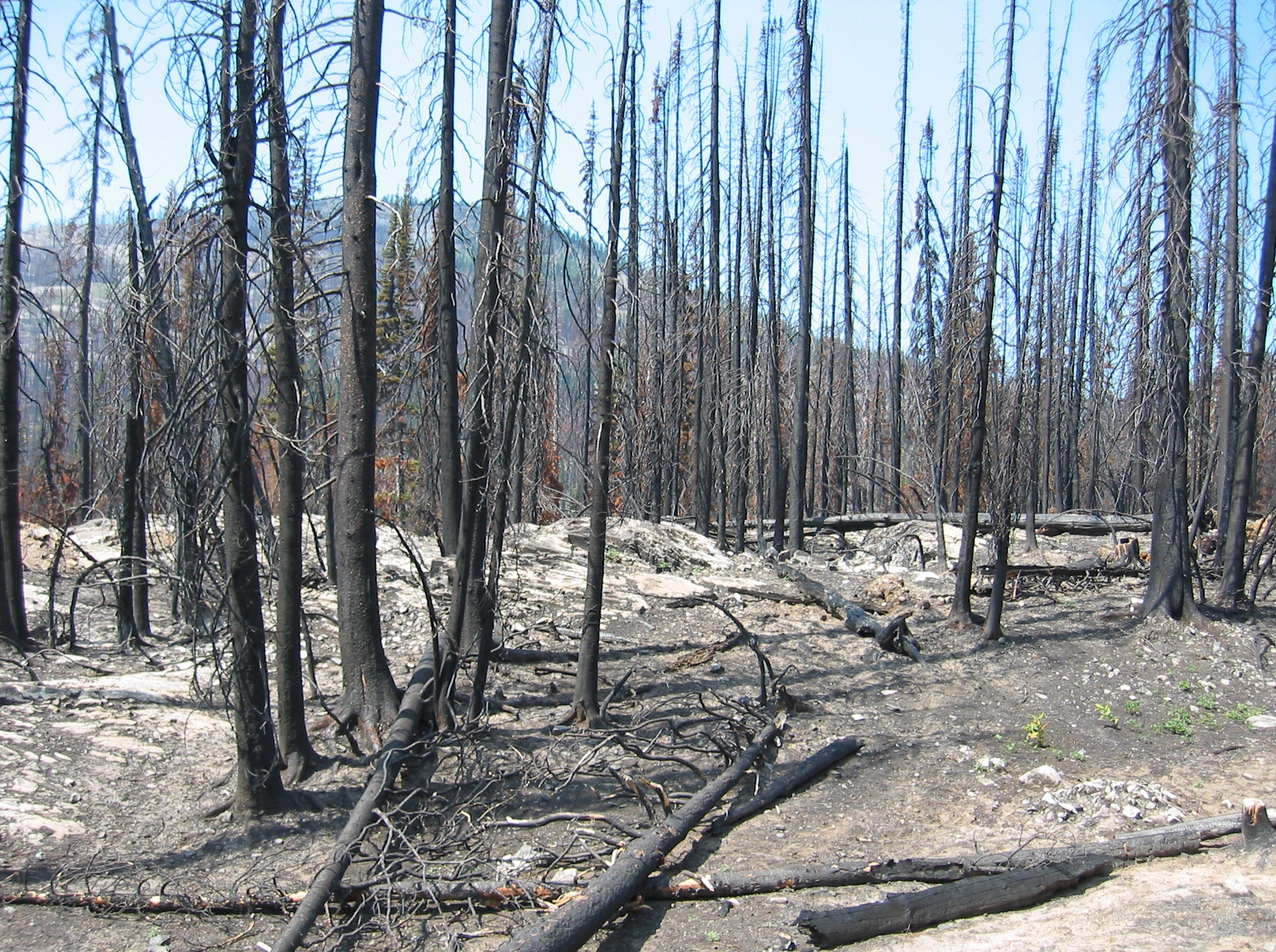
Daniel Johan, a member of Commission IV of the House of Representatives of the Republic of Indonesia (DPR RI), urged that forest areas degraded by forest and land fires (karhutla) be rehabilitated by planting hardwood trees rather than oil palm. The statement was reported by Kompas.com on Sunday (18/10/2026). The National Awakening Party (PKB) faction politician, who also serves as Chairman of PKB's Central Executive Board (DPP PKB), stressed that restoring burned forests must recover their ecological functions rather than open space for oil palm plantation expansion.
Daniel, who represents the West Kalimantan electoral district, has long been vocal in addressing karhutla. He previously urged the government to declare karhutla a national disaster, demanded heavy penalties for corporate forest burners, and proposed establishing oxygen shelters for children and elderly individuals affected by haze.
Background: Burned Land Frequently Converted to Palm Oil Estates
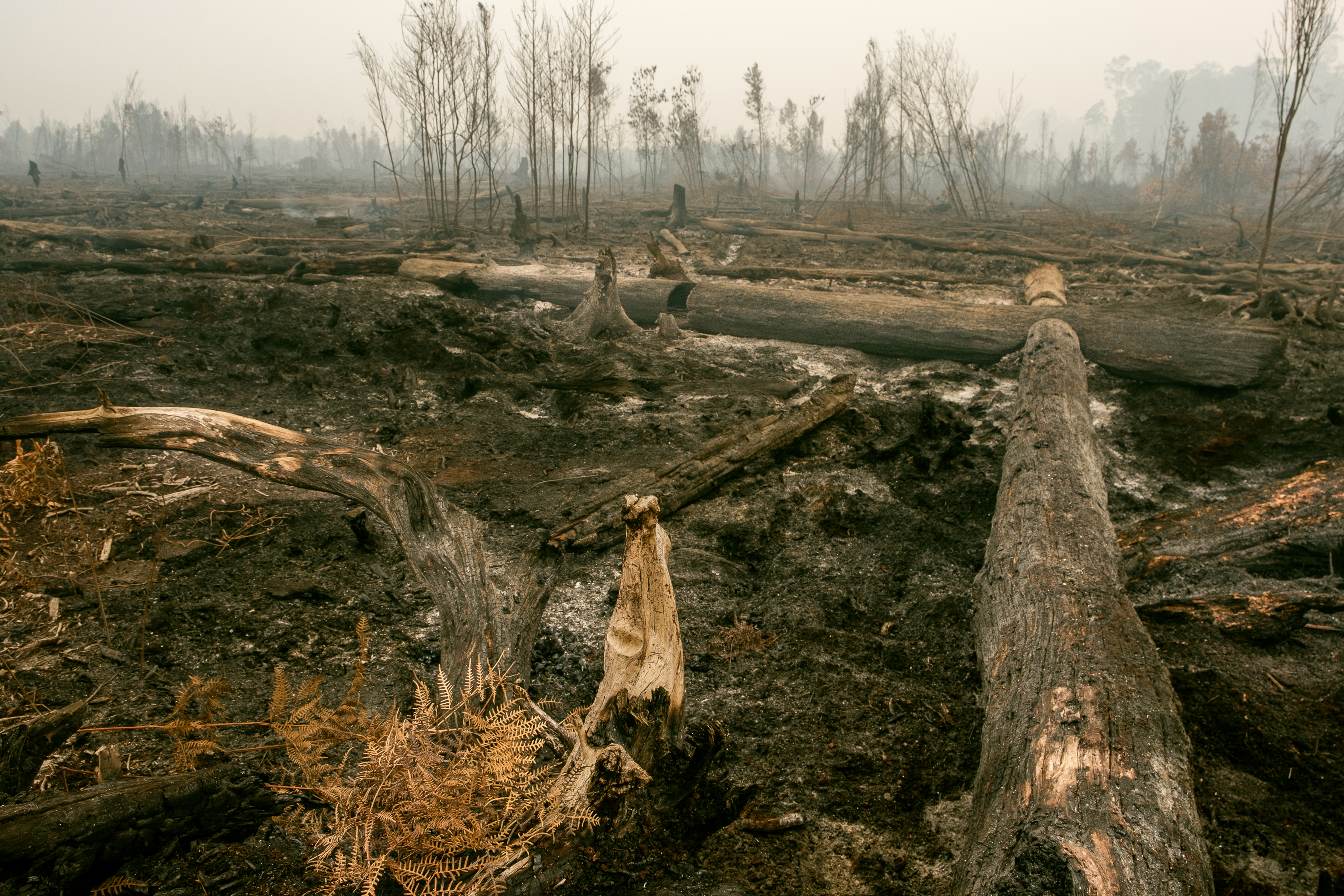
The call comes amid a recurring pattern: burned areas are subsequently planted with oil palm. In Gunung Sari Village, Segah District, Berau Regency, East Kalimantan, a circulating video showed former burned land already planted with oil palm seedlings, prompting a police investigation.
House Speaker Puan Maharani urged authorities on September 8, 2026, to investigate and take firm action against the alleged conversion of post-karhutla land into oil palm plantations. President Prabowo Subianto also criticized the recurring phenomenon of burned land turning into oil palm plantations as unacceptable. He demanded the names of the corporations involved and threatened to revoke the permits of companies proven guilty.
Following a meeting with House Commission IV on September 1, 2026, Minister of Forestry Raja Juli Antoni stressed that land deliberately burned to clear new areas must not be used for oil palm plantations. The government will coordinate with the Ministry of Agrarian Affairs and Spatial Planning/National Land Agency (ATR/BPN) and the Ministry of Agriculture to ensure burned areas do not receive plantation cultivation rights (HGU).
Why Not Palm Oil: Burning Incentives and Ecological Function
Planting palm oil on post-fire land creates incentives for environmental destruction, making fire a shortcut for clearing plantation land. Deputy Speaker of the Jambi Regional Legislative Council (DPRD) Ivan Wirata formulated this as the No Benefit From Burning principle—no economic gain should ever be derived from burning land.
Ecologically, palm oil plantations cannot be equated with natural forests. A professor from IPB University (IPB) explained that oil palms are botanically not hardwood trees, meaning oil palm plantations lack the ecological functions of forest ecosystems. Rehabilitation using hardwood trees is considered more appropriate for restoring the forest's functions as a life-support system, carbon sink, and wildlife habitat.
Enforcement has already been observed in Dharmasraya, West Sumatra. Dharmasraya Regent Annisa Suci Ramadhani ordered oil palm seedlings planted in burned limited production forest areas to be uprooted and replaced with forest vegetation, while police cordoned off the site with tape and launched an investigation into the responsible parties.
Law Enforcement Runs Parallel to Rehabilitation
Beyond rehabilitation, Daniel Johan consistently demanded rigorous law enforcement. He called for heavy punishments against corporations responsible for karhutla, rather than mere permit revocations, to provide a deterrent effect.
Law enforcement is indeed progressing. The Criminal Investigation Department of the Indonesian National Police (Bareskrim Polri) named nine corporations as suspects in karhutla cases across Kalimantan. The Ministry of Environment/Environmental Control Agency (BPLH) sealed 57 companies over suspected karhutla violations, including 12 firms in South Sumatra.
The scale of the disaster in 2026 has been substantial. The National Disaster Mitigation Agency (BNPB) recorded that 639.23 hectares of karhutla land were still being addressed across six priority provinces as of October 12, 2026. Meanwhile, the Ministry of Health recorded 277,075 cases of acute respiratory infection (ISPA) across 63 regencies and cities in seven affected provinces as of October 12, 2026.


No comments yet. Be the first!