

Sahroni: Separate state business from official wrongdoing
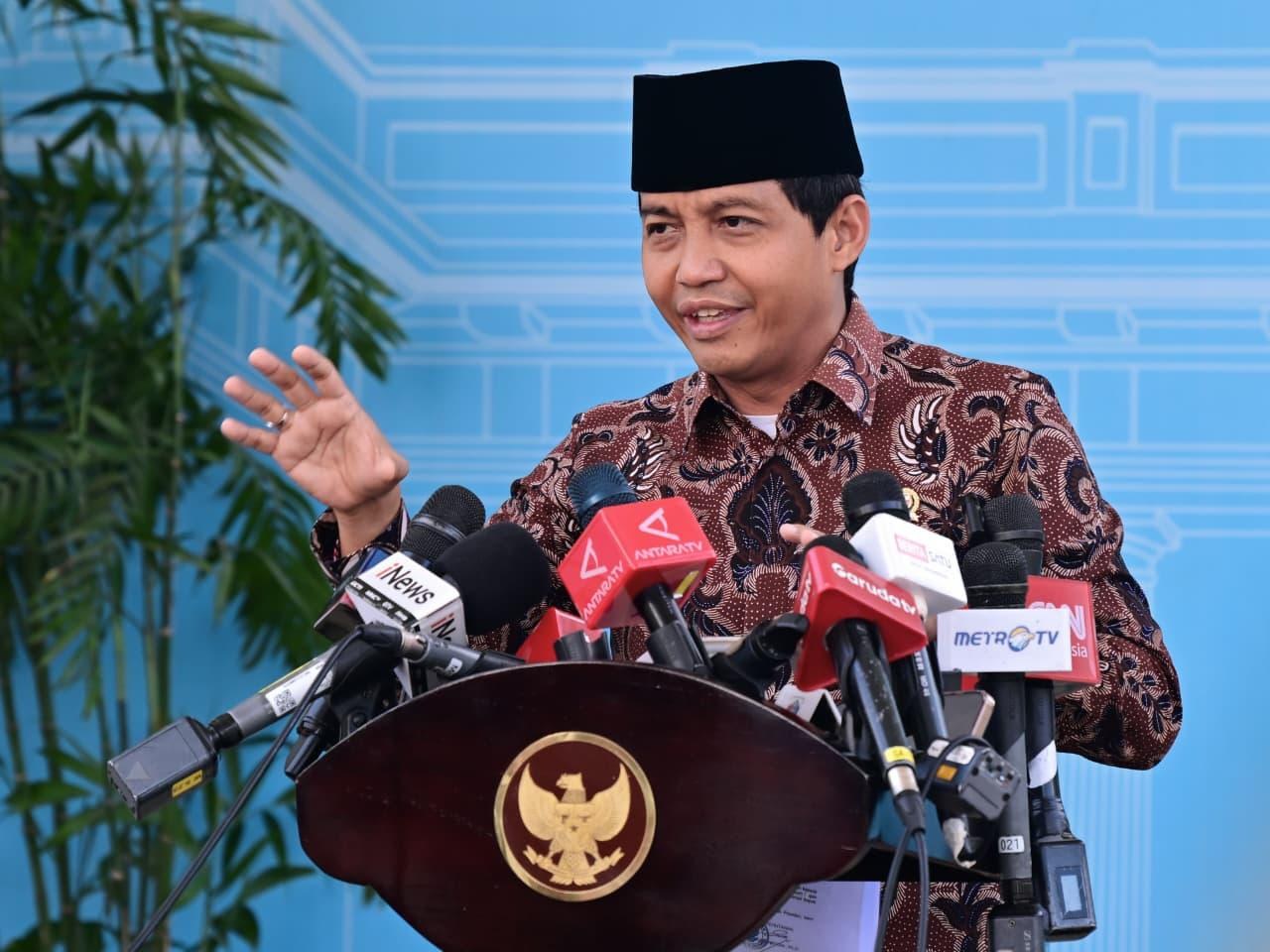
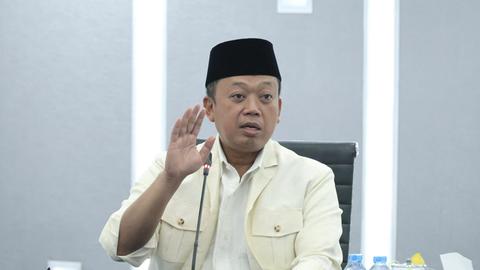
Deputy Chair of Commission III of the House of Representatives of the Republic of Indonesia (DPR RI) Ahmad Sahroni expressed his support for the proposal by National Economic Council (DEN) Chair Luhut Binsar Pandjaitan to separate the definition of state financial losses from the crime of corruption. Sahroni made the statement in remarks to the media on Thursday (22/10/2026), as quoted by detikNews.
"I agree with what Pak Luhut said; the benchmark for corruption offenses must distinguish between state business and criminal offenses committed by state officials," Sahroni said. According to the NasDem Party politician, it is time for Indonesia's corruption case standards to differentiate between normal business risks faced by state-owned enterprises and pure criminal acts committed by public officials for personal gain.
Benchmark: malicious intent, not merely state losses
Sahroni argued that establishing corruption must remain anchored in malicious intent (mens rea) and direct harm to the broader public. He cited the example of regional leaders who ought to prioritize the public interest but instead take assets for personal benefit. "We need to examine the measure of malicious intent," he noted.
He also urged that Luhut's idea be scrutinized thoroughly by legal experts and policymakers to build a solid foundation. "Pak Luhut's recommendation must be examined in depth to establish a clear distinction between actions taken in the state's interest and corruption that clearly harms the public. This must be followed up with a revision of the Corruption Eradication Law (UU Tipikor) to provide a strong legal basis for law enforcement officials (APH)," he explained.
Luhut's proposal and Presidential approval
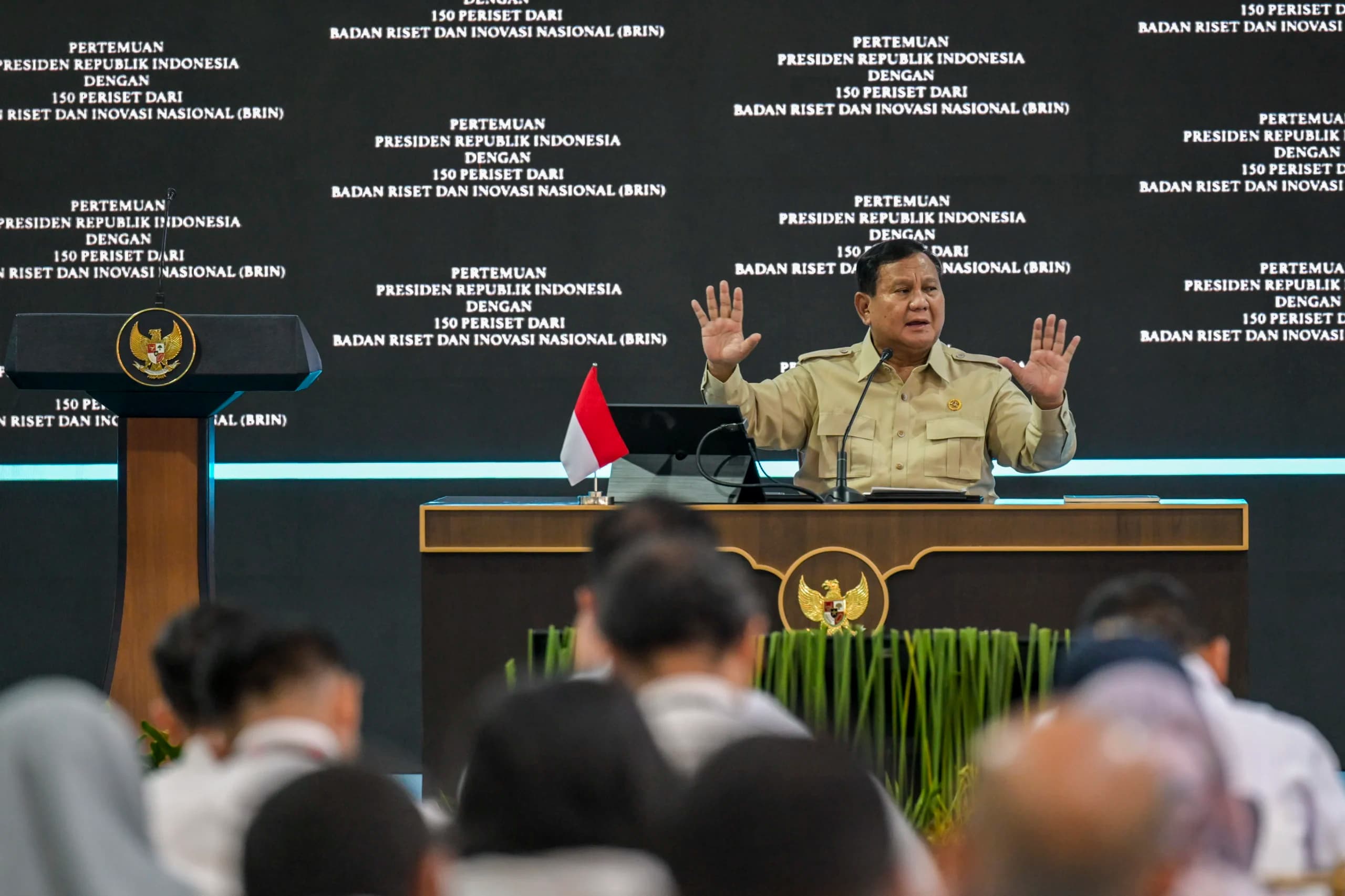
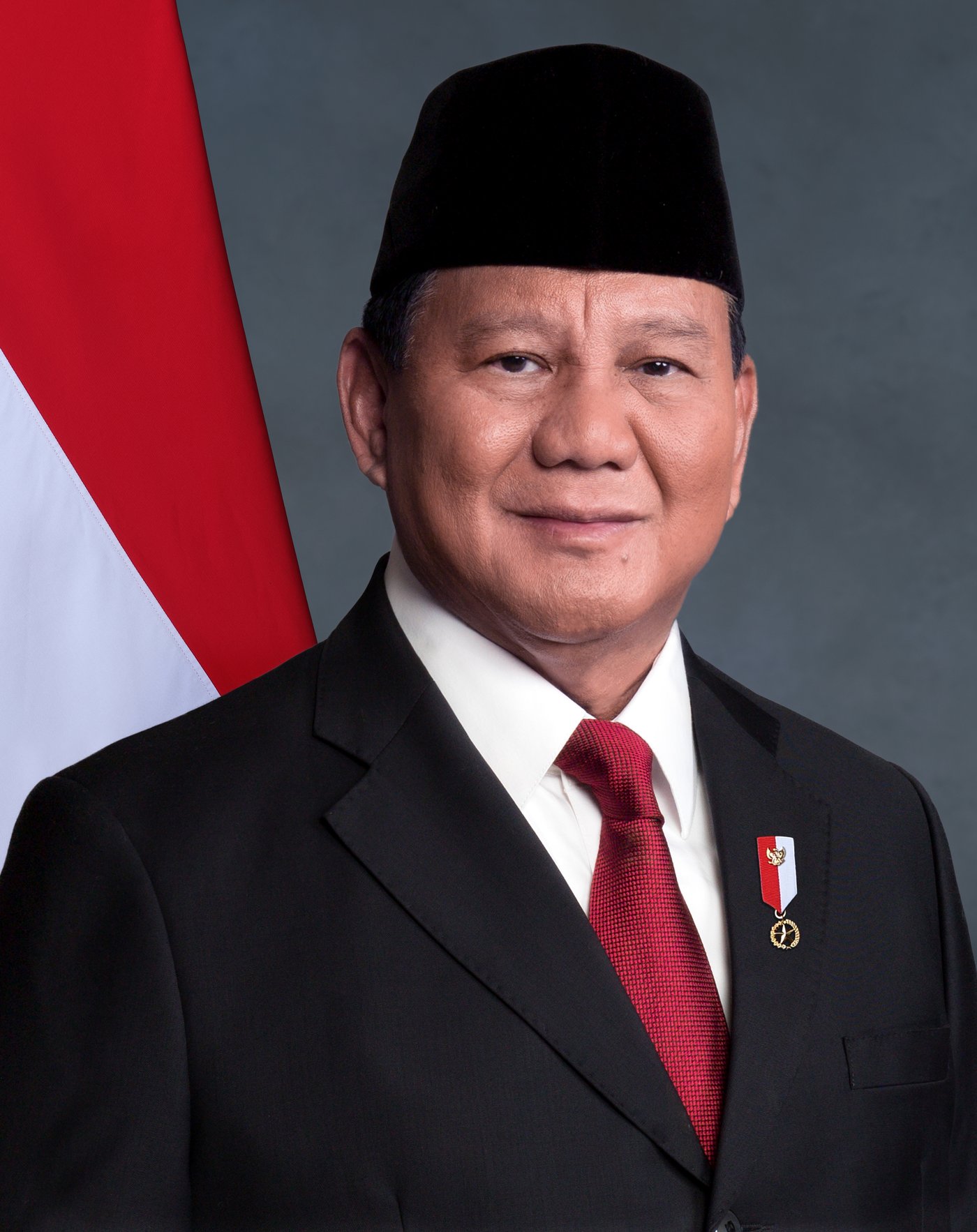
Earlier, Luhut submitted a proposal to study revising the definition of corruption to President Prabowo Subianto. In statements delivered at the Merdeka Palace Complex in Jakarta, Luhut said the President had approved the study prepared by the National Economic Council team. Luhut proposed that state losses should not automatically be categorized as corruption offenses.
The foundation for the proposal refers to the United Nations Convention Against Corruption (UNCAC), which Indonesia ratified through Law No. 7 of 2006. According to Luhut, the convention specifically defines corruption as bribery, not state financial loss. He noted that Indonesia remains one of the few countries that incorporates state financial loss as an element of corruption, thereby encumbering institutions such as Danantara when executing business decisions.
Debate: legal certainty versus public accountability
Sahroni's statements have reignited debate over the boundary between state financial losses, commercial business risks, and conduct meeting the elements of criminal corruption. On one hand, legal certainty is necessary to ensure policymakers are not afraid to take professional decisions.
On the other hand, regulatory changes must still guarantee accountability in managing state finances without opening loopholes for corrupt actors to evade responsibility. Therefore, comprehensive scrutiny by legal scholars is considered essential before any revision of the Corruption Eradication Law is officially launched.




No comments yet. Be the first!